Recovering movement after a stroke is a gradual process that requires patience, consistency, and the right therapeutic approach. Many survivors experience weakness, stiffness, or loss of coordination, which can affect independence and quality of life. A structured rehabilitation plan built around stroke rehab exercises helps retrain the body and brain to work together again. With guidance from neurological physiotherapy and a focus on functional movement such as gait training, individuals can steadily rebuild strength, balance, and confidence.
Understanding Stroke Recovery and Neuroplasticity
Gaining mobility after a stroke is a slow process. It requires patience, consistency, and the right therapy. Strokes often weaken or stiffen the hands or legs. This can affect coordination and reduce independence, impacting daily life. A rehab plan with stroke exercises helps the body and brain reconnect. Neurological physiotherapy and functional movements, such as gait training, gradually restore strength, balance, and confidence.
The Importance of Early and Consistent Movement
A stroke stops the brain from sending clear messages to the muscles. Recovery mainly depends on neuroplasticity, which is the ability of the brain to reorganize and create new connections. Stroke patients are given a planned series of exercises during which they repeatedly perform the movements so that the brain can relearn to control the affected limbs. This has been proven effective during sessions with neurological physiotherapy. The therapist adapts the treatment to the patient’s particular disabilities and aspirations and, instead of restricting movement, guides the patient through the proper execution of movements and their slow increase in difficulty.
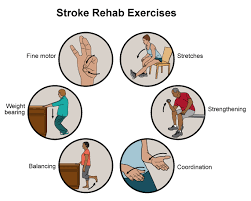
Balance and Core Control Exercises
A stroke frequently disturbs balance and thus, activities of daily living become difficult. The exercises that are centered around sitting balance, trunk rotation, and controlled weight shifts are core stabilizers.In neurological physiotherapy, therapists start treatment with supported positions. Assistance is gradually reduced as control improves. Strong core muscles form the basis for safe transfers, standing, and walking. These movements then allow other skills to develop more efficiently.
Upper Limb and Hand Function Training
The recovery of the arm and hand may be a process filled with frustrations, nonetheless, repetition is the key. The task-specific stroke rehabilitation exercises such as reaching, grasping, and releasing objects are the main factors in the restoration of fine motor skills. Moreover, the use of common objects such as cups or towels promotes practical movement patterns. With time, these activities lead to improved coordination and greater incorporation of the affected arm in one’s daily life which results in less dependence on the stronger side.
Relearning How to Walk Safely
After a stroke rehab exercises, walking very often requires everybody to go through the process of timing, balance, and coordination re-learning. Gait training that is structured centres around putting down the foot correctly, weight being distributed evenly, and posture being upright.
The therapists sometimes use parallel bars, supportive devices, or manual guidance in order to make sure that safety is not compromised
With the building up of the confidence, the gait training is shifted to more complicated tasks like turning, moving over uneven ground, and changing speed, which all are very important for moving in the community.
Building Strength and Endurance
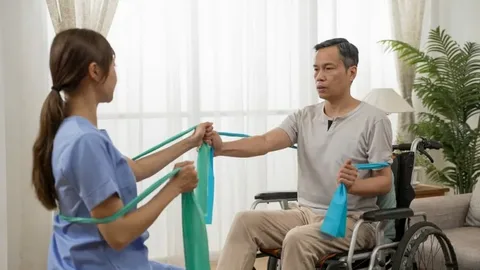
Weakness in muscles and tiredness are common during recovery. Neurological physiotherapy programs include exercises to strengthen the legs, hips, and core. These exercises help improve functional movement. Low-impact activities, repeated sit-to-stand practice, and gradual endurance training can boost cardiovascular fitness. Better strength and stamina make routine tasks easier and support continued activity outside the clinic.
Practicing at Home for Long-Term Progress
Just clinic sessions do not guarantee the best recovery. A home-program tailored to the individual of stroke rehab exercises strengthens the lessons taught in therapy. Basic practices done each day allow flexibility, strength, and coordination. When safe, including short walks as part of gait training at home further supports autonomy and creates trust in the patient’s ability in the areas where he/she is familiar.
The Value of Professional Guidance
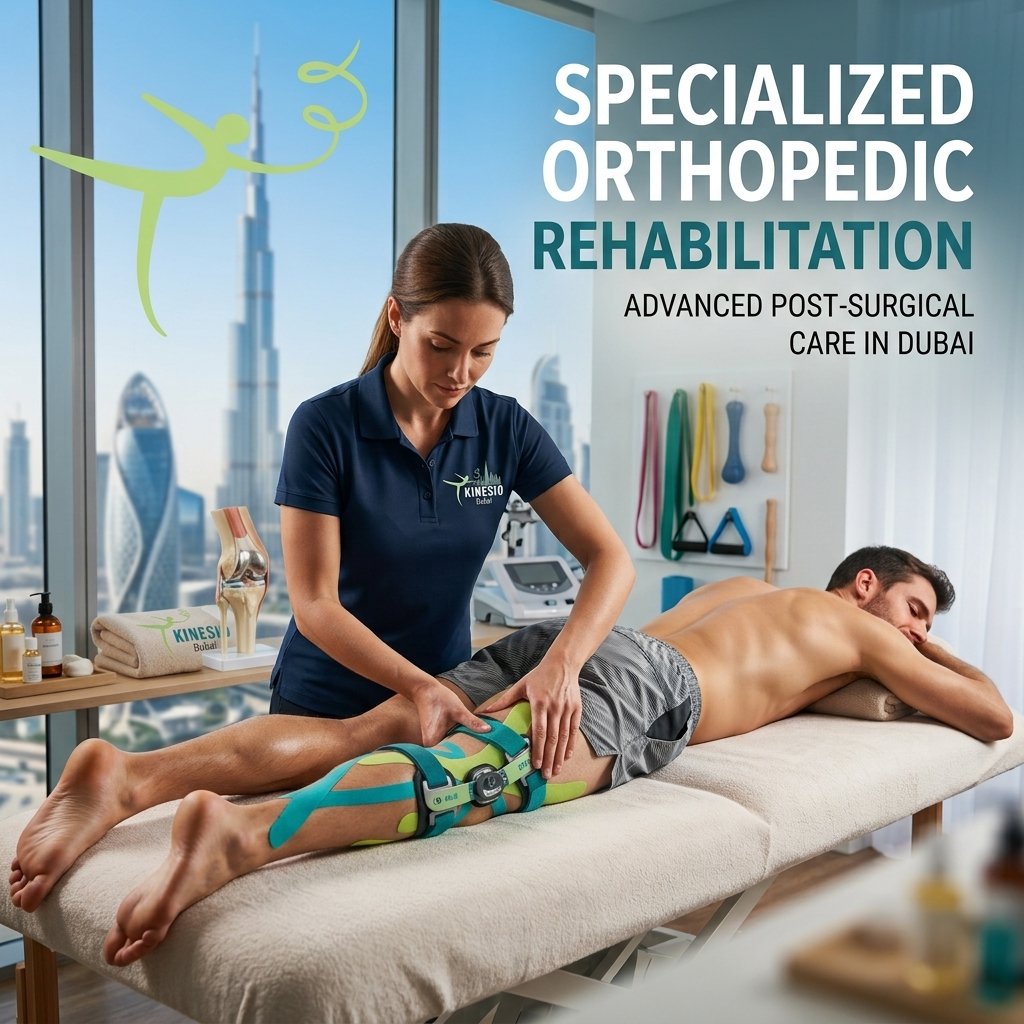
Working with Kinesio trained professionals ensures exercises are performed safely and effectively. Neurological physiotherapy provides ongoing assessment and adjustment of the rehabilitation plan as recovery evolves. Therapists educate patients and caregivers, helping them understand proper techniques and realistic expectations. In some cases, stroke rehab exercises are combined with supportive tools such as braces or taping methods to enhance muscle activation and alignment.
In the later stages of recovery, advanced approaches may be introduced to refine movement quality. Within neurological physiotherapy, therapists sometimes incorporate gait training strategies alongside supportive taping techniques.
FAQs
What are stroke rehabilitation exercises?
Stroke rehab exercises are physical and movement activities designed to help stroke survivors regain strength, balance, coordination, and mobility.
When should stroke rehabilitation exercises start?
Rehabilitation exercises often begin as soon as the patient is medically stable, sometimes within 24–48 hours after a stroke, under medical supervision.
What types of exercises are used in stroke rehab?
Common exercises include range-of-motion exercises, strength training, balance activities, walking practice, and hand or arm coordination exercises.
How often should stroke rehab exercises be done?
Most patients perform rehab exercises daily or several times a week, depending on their recovery plan created by a therapist.
Can stroke survivors do exercises at home?
Yes, many exercises can be done at home after proper guidance from a physiotherapist to ensure safety and correct technique.