
Dry Needling Therapy in Dubai
Dry Needling Physiotherapy for Muscle Pain and Trigger Points
Dry needling targets trigger points to release muscle tension, reduce chronic pain, and improve mobility.
Dry needling is a physiotherapy technique used to relieve muscle pain, release trigger points, and improve mobility. At Kinesio Healthcare Solutions, experienced physiotherapists use dry needling to treat muscle tension, sports injuries, and chronic pain conditions through targeted therapeutic treatment.
Dry needling involves inserting very thin sterile needles into tight muscle knots known as trigger points to release tension and restore normal muscle function.
Dry needling is a powerful therapeutic technique designed to alleviate pain, reduce muscle tension, and restore mobility. This approach focuses on releasing tight muscles and addressing myofascial pain syndromes, which are often the root cause of chronic pain and discomfort.
What Is Dry Needling?
Dry needling is a specialized physiotherapy technique that targets trigger points—tight knots within muscles that cause pain and restrict movement. The insertion of thin needles stimulates the muscle and may create a small twitch response that helps release tension and reduce pain.
How Dry Needling Works
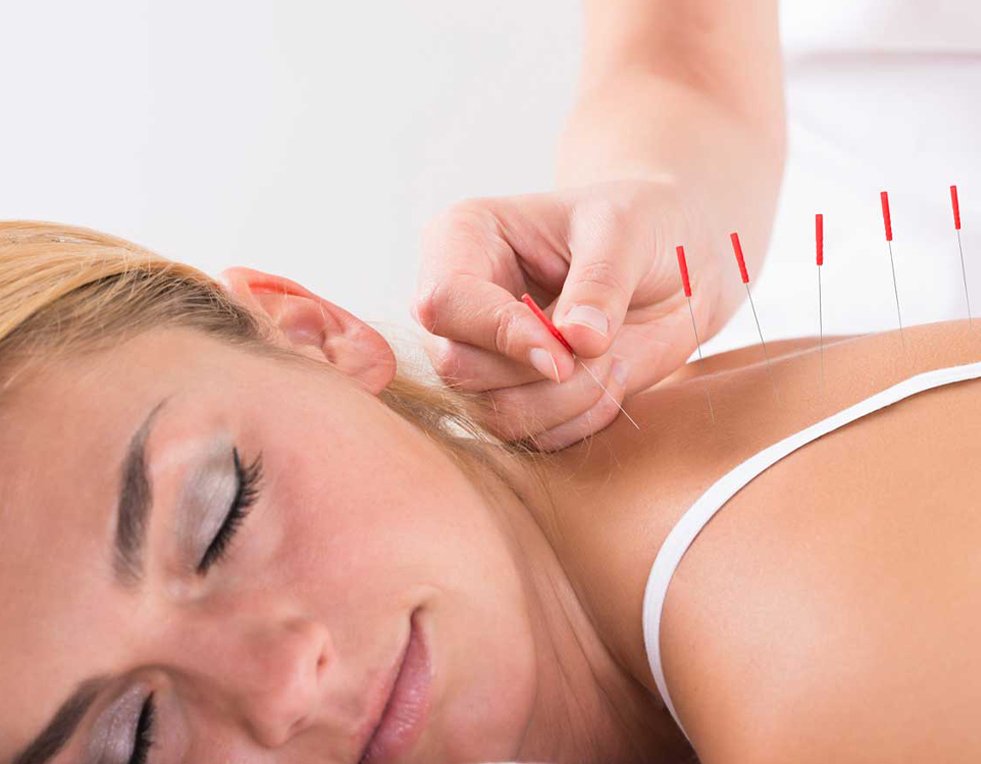
During a dry needling session, a skilled therapist uses thin, sterile needles to target specific trigger points within the muscle tissue. Unlike acupuncture, which is based on traditional Chinese medicine, dry needling is grounded in Western medicine principles and focuses on treating musculoskeletal issues. The needles are inserted directly into the taut bands of muscle or knots, stimulating a response that encourages the muscle to relax and release tension.
During treatment, a physiotherapist inserts a sterile needle into a trigger point in the muscle. This stimulates the nervous system and increases blood flow to the area, helping muscles relax and recover.
- The treatment helps:
- Release muscle tension
- Improve circulation
- Restore mobility
- Reduce inflammation
Conditions Treated With Dry Needling
- Dry needling therapy may help treat:
- Chronic back pain
- Neck and shoulder pain
- Sports injuries
- Muscle spasms
- Headaches and migraines
- Tennis elbow
- Sciatica
These conditions often occur due to tight muscles and trigger points that restrict movement and cause discomfort.
Alleviating Pain and Muscular Tension
One of the primary benefits of dry needling is its ability to alleviate pain and reduce muscle tension. This technique targets the underlying causes of discomfort, such as trigger points and tight muscles, providing immediate relief. Whether you’re dealing with acute or chronic pain, dry needling can help you feel better and move more freely.
Benefits of Dry Needling Therapy
Dry needling can help improve flexibility and mobility by releasing tight muscles and reducing inflammation.
PAIN RELIEF
Reduces acute and chronic muscle pain by releasing trigger points and improving blood flow.
IMPROVED MOBILITY
Relaxes tight muscles, restores flexibility, and enhances joint range of motion.
FASTER RECOVERY
Speeds up the body’s natural healing process after injuries or intense physical activity.
REDUCED MUSCLE TENSION
Eases stiffness caused by stress, poor posture, or overuse, improving comfort and movement.
ENHANCED ATHLETIC PERFORMANCE
Supports athletes by promoting muscle balance, quicker recovery, and injury prevention.
FUNCTIONAL RESTORATION
Helps restore normal muscle activity and supports long-term rehabilitation goals.
Get a Quote
Dry Needling Therapy in Dubai
Relieve muscle pain and restore mobility with dry needling therapy.
Target trigger points, reduce tension, and enjoy long-lasting pain relief.
Patients seeking professional dry needling therapy in Dubai can receive personalized physiotherapy treatment at Kinesio Healthcare Solutions. The clinic provides evidence-based rehabilitation programs designed to relieve pain, improve muscle function, and restore mobility.
Restoring Range of Motion and Function
Dry needling not only reduces pain but also plays a vital role in restoring your range of motion and improving function. By addressing the tightness and restrictions in your muscles, this treatment helps to enhance flexibility and overall movement. It’s particularly beneficial for those recovering from injuries, surgeries or dealing with conditions like arthritis or muscle imbalances.
Is Dry Needling Right for You?
If you’re experiencing muscle pain, tightness, or limited mobility, dry needling might be the solution you’ve been searching for. Whether you’re an athlete looking to enhance performance, an individual recovering from an injury, or someone managing chronic pain, dry needling can help you achieve lasting relief and improved function.
Most Popular Questions
Understand how dry needling works to relieve muscle pain and restore mobility.
Dry needling may be considered when symptoms appear to involve muscular tension or other musculoskeletal dysfunction, such as persistent muscle tightness, localized muscle pain, restricted movement, muscle spasms, or pain associated with trigger points. It may be used as part of physiotherapy for selected neck, shoulder, back, hip, knee or sports-related problems. A physiotherapist should first determine whether the symptoms are appropriate for dry needling rather than assuming that every type of pain will benefit from it.
Depending on the clinical assessment, dry needling may be incorporated into rehabilitation for selected musculoskeletal problems, including muscle-related neck or back pain, shoulder pain, sports-related muscle problems, myofascial pain, muscle tightness and some movement restrictions. It is an adjunct treatment rather than a universal treatment for every painful condition.
Yes. A clinical assessment should come before treatment. Your physiotherapist may review your symptoms, medical history, previous injuries or surgery, medications, movement, strength, range of motion and the factors that may be contributing to your pain. This helps determine whether dry needling is appropriate and whether another treatment or further medical assessment would be more suitable.
Needle placement should be based on the clinical assessment and the suspected contribution of specific muscles or tissues to your symptoms. The physiotherapist considers factors such as pain location, movement restrictions, muscle performance, range of motion and other examination findings rather than simply needling the area where you feel pain.
People with musculoskeletal pain, mobility limitations, muscle-performance problems or movement dysfunction may be considered for dry needling when a trained clinician determines that the potential benefits outweigh the risks. Suitability is individual and should be confirmed after screening for contraindications and precautions.
Dry needling may need to be avoided, modified or postponed in situations such as an active infection or open wound at the treatment site, significant bleeding risk, inability to provide informed consent, severe needle phobia, certain stages of pregnancy, or shortly after surgery. Additional precautions may be needed for people with immunosuppression, fragile tissues, significant needle anxiety or other medical conditions. Your physiotherapist should review your individual circumstances before treatment.
Taking an anticoagulant or other medication that affects bleeding does not automatically mean that dry needling is impossible, but it can increase bleeding or bruising risk. Your medication, medical history and individual bleeding risk should be discussed with the physiotherapist before treatment. Do not stop prescribed medication to undergo dry needling unless instructed by the clinician who prescribed it.
Pregnancy should be discussed before treatment. Dry needling may not be appropriate in some circumstances, particularly during the first trimester or in a high-risk pregnancy. Your physiotherapist may recommend modifying or postponing treatment or obtaining medical clearance depending on your circumstances.
Tell the clinic what symptoms you are experiencing, how long they have been present, the affected area, any recent injury or surgery, relevant medical conditions, medications that may affect bleeding, pregnancy if applicable, and any significant fear or previous adverse reaction to needles. This information helps the clinician plan an appropriate assessment.
You can discuss dry needling as part of a sports-recovery programme, but it should not automatically be used simply because you are an athlete. Recurring pain, weakness, restricted movement or an injury should first be assessed so that the rehabilitation programme addresses the factors contributing to the problem.
No. Although both techniques use fine needles, dry needling is generally used within musculoskeletal rehabilitation and is based on clinical assessment of muscles, movement and related structures. Acupuncture is a different therapeutic practice with its own theoretical framework and indications.
Information about dry needling should be reviewed by an appropriately qualified healthcare professional and kept consistent with current clinical evidence and safety guidance. The treatment itself should only be performed by a suitably trained and licensed practitioner within their professional scope of practice.
The experience varies. You may feel a brief needle prick, pressure or a short muscle twitch when a targeted muscle responds. Temporary tenderness or soreness can occur afterwards. Treatment intensity should be adjusted according to your symptoms, tolerance and clinical response rather than aiming for the most aggressive technique.
Your appointment normally begins with an assessment and discussion of your symptoms and treatment goals. If dry needling is considered appropriate, the physiotherapist explains the procedure, obtains informed consent and selects the treatment areas. Sterile, single-use needles are used, and the technique may be combined with exercises, manual therapy or other rehabilitation strategies when appropriate.
A good clinical assessment should establish a baseline for your symptoms and function. Depending on your problem, your physiotherapist may reassess pain, range of motion, muscle performance or movement before and after treatment to determine whether the intervention produced a useful response and whether the treatment plan should be adjusted.
Treatment time varies according to the number and location of areas being treated and whether dry needling is combined with other physiotherapy. Your physiotherapist can give you a more accurate estimate after assessing your condition.
There is no fixed number of sessions. The appropriate frequency depends on your diagnosis or presentation, symptom severity, treatment goals, response to previous treatment and the wider rehabilitation programme. Some people may require only a small number of sessions, while others may need dry needling intermittently as one part of a longer rehabilitation plan.
Not necessarily. Dry needling is often used as an adjunct to physiotherapy rather than as a standalone solution. Depending on your assessment, treatment may also include therapeutic exercise, strengthening, mobility work, manual therapy, movement retraining, posture education or changes to activity and training load.
Temporary soreness, tenderness, bruising or minor bleeding can occur after treatment. Some people may also experience short-lived fatigue, dizziness or a fainting-type response. Most minor reactions are temporary, but your physiotherapist should explain the relevant risks before treatment.
Serious complications are uncommon but can occur. Depending on the anatomical area and technique, reported serious adverse events include infection, nerve or other tissue injury and, when needling is performed near the chest, pneumothorax. Appropriate anatomical knowledge, patient screening, sterile technique and informed consent are therefore important.
Mild, short-lived soreness or bruising can be expected. However, seek urgent medical attention if you develop significant or worsening symptoms such as chest pain, difficulty breathing, severe weakness, neurological symptoms, or other symptoms that concern you following treatment. Rare but serious complications have been reported with dry needling.
Dry needling may help address a muscular contributor to symptoms, but it does not necessarily correct the underlying cause of recurring pain. If symptoms are related to weakness, movement patterns, training load, joint dysfunction or another factor, your rehabilitation programme may need to address those issues as well.
It depends on why the joint is painful. If surrounding muscle tension is contributing to the problem, dry needling may sometimes be considered as part of physiotherapy. However, unexplained joint pain, significant weakness, swelling or restricted function may require a broader assessment before deciding whether dry needling is appropriate.
If you have not previously been assessed, booking a physiotherapy assessment is generally the better starting point. The physiotherapist can determine whether dry needling is appropriate or whether another treatment, rehabilitation approach or medical evaluation is more suitable.