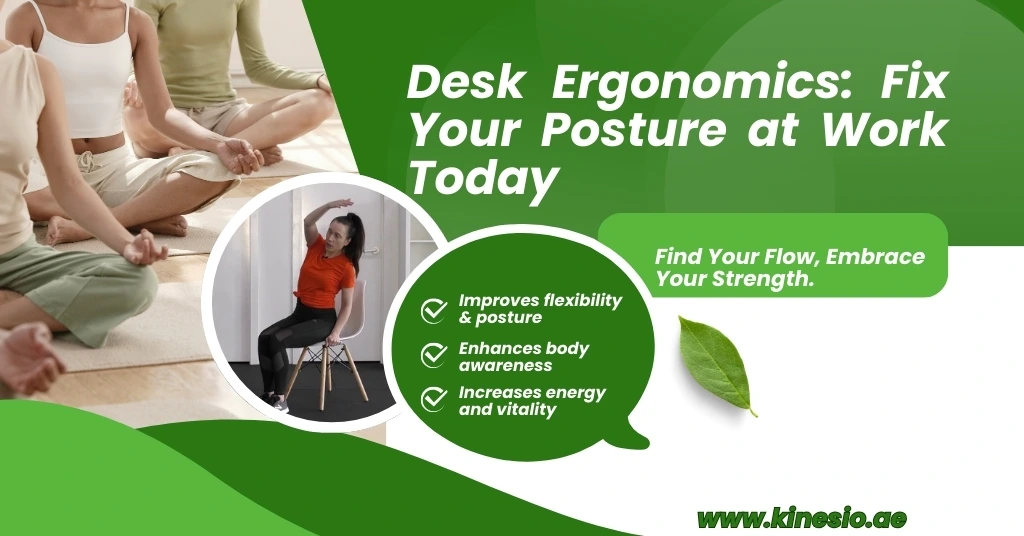
Modern work environments require workers to spend extended periods at their workstations yet this practice leads to unrecognized health issues. Body damage occurs because of three factors which include bad posture, seat discomfort, and desk design flaws. Desk ergonomics establishes optimal workspace design to support your natural body movements which enable you to work without experiencing discomfort or decreasing your productivity. Understanding desk ergonomics is the first step toward learning how to fix bad posture and protect your long-term health.
Why Desk Ergonomics Matters
The purpose of desk ergonomics extends beyond providing comfort because it serves to protect people from harm. The body experiences complete muscle strain and complete joint stiffness when individuals maintain uncomfortable body positions during extended periods. The result creates a pattern of neck discomfort and back pain which causes headaches and decreased mental focus. The proper ergonomic workstation design decreases spinal pressure while maintaining correct body posture throughout working hours.
The correct workstation design creates better muscle performance and improved blood flow which results in decreased tiredness. The cumulative effect of this process creates a significant impact on both physical well-being and job productivity.
Common Posture Problems at the Desk
Slouching and Rounded Shoulders
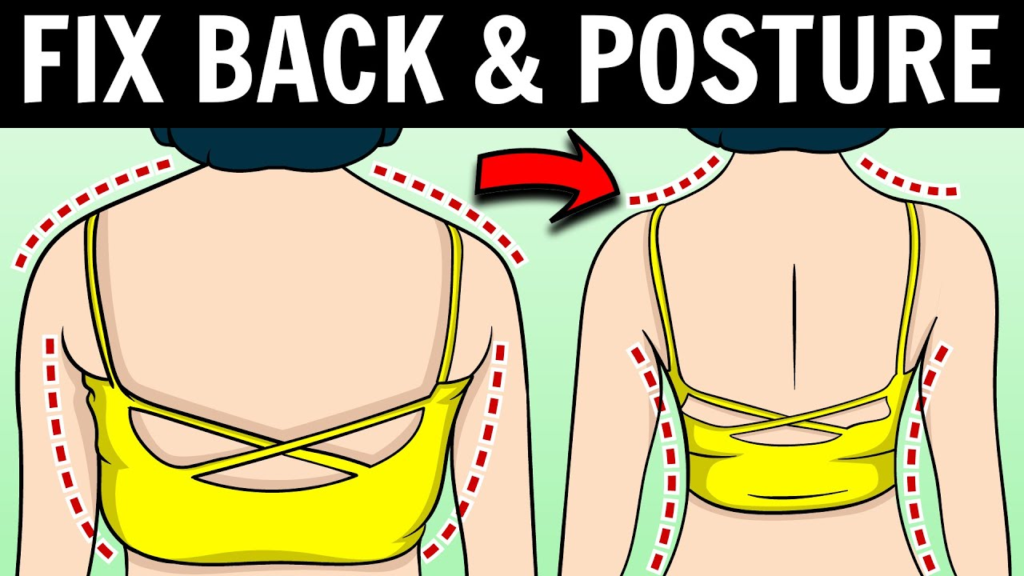
The most frequent desk posture problem at work occurs when people slouch forward. The position causes the head to move forward from its normal alignment with the spine, which results in increased stress on both the neck and shoulder regions. People who want to improve their posture problems should begin at this point because they usually develop slouching as an automatic behavior.
Forward Head Posture
People who lean toward screens create neck pain through two mechanisms, which include neck muscle strain and cervical joint compression, while they sit for extended periods. People develop this body position when they use screens that are set at inadequate height or distance from their eyes.
Poor Chair and Desk Alignment
People find it difficult to sustain proper body alignment because of their poorly designed ergonomic workstations. When chairs fail to provide lower back support and desks are set at incorrect height levels, these conditions force the body into positions that create health problems.
How to Set Up an Ergonomic Workstation
Chair and Seating Position
An effective ergonomic workstation setup starts with your chair. Your feet should rest flat on the floor, knees bent at about 90 degrees, and hips slightly higher than your knees. The chair should support the natural curve of your lower back to help how to fix bad posture issues before they worsen.
Desk, Screen, and Keyboard Placement
The first component of an effective ergonomic workstation setup requires you to choose the right chair. Your feet should rest flat on the floor, knees bent at about 90 degrees, and hips slightly higher than your knees. The chair should support the natural curve of your lower back to help how to fix bad posture issues before they worsen.
Lighting and Workspace Organization
The monitor needs to be positioned at your eye level because this arrangement minimizes neck pain which results from prolonged sitting. The screen distance should be maintained at approximately one arm length. The keyboard and mouse should sit close enough that your elbows stay near your body which decreases shoulder tension while increasing your comfort.
Movement and Desk Stretches for Daily Relief
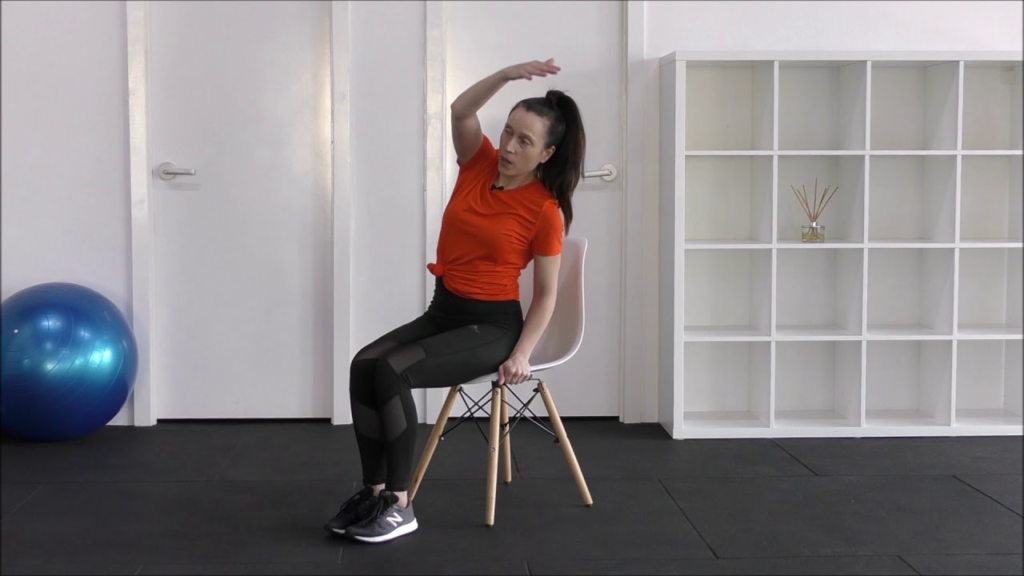
People should not maintain perfect how to fix bad posture throughout their entire day. People need to move their bodies. Desk stretches provide a simple method to reduce muscle tightness, enhance blood flow, and restore correct body alignment.
Employees can complete desk stretches which require only three essential exercises that include neck rolls and shoulder shrugs and gentle spinal twists. The practice of standing up to stretch every half hour to one hour helps people relieve neck discomfort that results from extended sitting and ease lower back stiffness.
Building Long-Term Posture Habits
The practice of proper posture needs to be followed every day because it requires more than a single correction. Your body learns to maintain proper sitting posture through a permanent ergonomic workstation setup which allows you to move throughout the day.
You should observe your body when it shows signs of tension in your shoulders or your neck pain returns after extended periods of sitting. The signs indicate that you need to make changes to your body position and work environment. Small adjustments which people make throughout their lives lead to permanent changes in their comfort and energy levels.
Extra Support for Posture Awareness
People who work for extended periods employ desk stretches and posture awareness together with ergonomic equipment which helps them maintain proper alignment. The Kinesio products create a system which delivers mild muscular and joint feedback to users, thus helping them achieve improved posture. The combination of this extra support with an appropriate ergonomic workstation setup creates a system which promotes proper movement throughout an entire workday.
Active posture correction requires external support to function as a supplementary element during the process. The combination of Kinesio ae posture aids with regular movement and mindful sitting practices will help you decrease muscle tension while enhancing your workplace comfort.
Final Thoughts on Desk Ergonomics
Desk ergonomics is about creating a workspace that works with your body, not against it. Learning how to fix bad posture, committing to a proper ergonomic workstation setup, and practicing regular desk stretches can dramatically reduce discomfort and prevent long-term issues. With awareness, movement, and supportive solutions like those from Kinesio ae, you can fix your posture at work today and protect your health for the future.
FAQs
What causes bad posture?
Poor habits, prolonged sitting, weak muscles, and improper ergonomics often lead to slouching and rounded shoulders.
How can I improve posture at my desk?
Sit with feet flat, back supported, screen at eye level, and take breaks to stretch or walk every 30–60 minutes.
Which exercises help correct posture?
Strengthen core, back, and shoulder muscles with planks, rows, bridges, and chest-opening stretches.
Can posture braces or supports help?
Yes, temporarily—they remind you to sit or stand correctly but should be combined with exercises for long-term improvement.
How long does it take to fix bad posture?
With consistent exercise, stretches, and habit changes, noticeable improvement can occur in a few weeks to months.