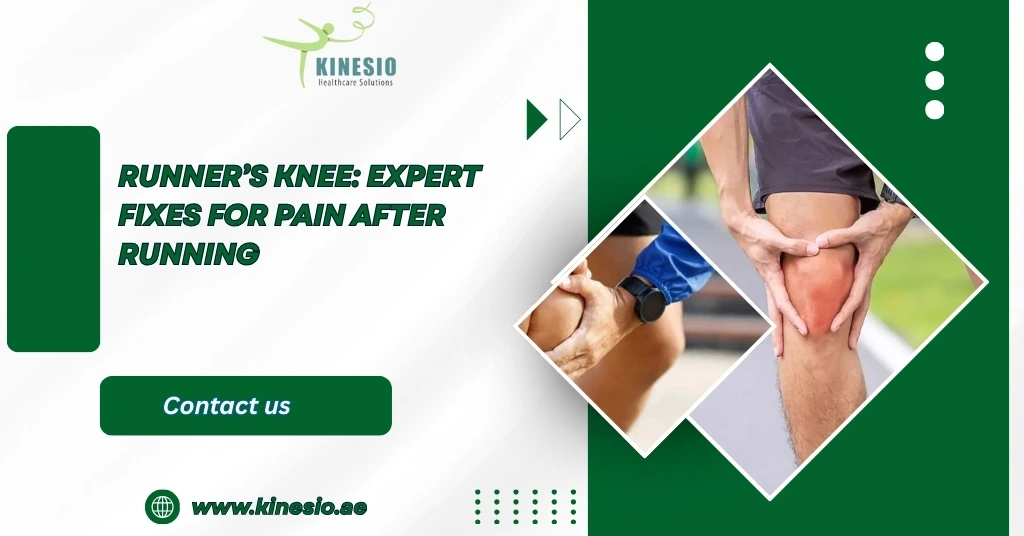
Running stands out as a highly effective method for maintaining fitness, yet it generates continuous stress on knee joints. Runners who compete at professional levels and those who run for enjoyment both develop knee pain after their running sessions because they lack knowledge about what causes their problems. Runner’s knee which medical professionals call patellofemoral pain syndrome constitutes one of the most frequent medical conditions that causes this type of discomfort. Early identification of the underlying cause together with implementation of appropriate runner’s knee treatment methods enables you to avoid permanent injuries while achieving a full recovery to your normal running distance.
Understanding Runner’s Knee
Runner’s knee occurs when the kneecap (patella) fails to glide properly through its designated track which exists on the thigh bone. The improper tracking mechanism results in the neighboring cartilage and soft tissue regions experiencing irritation. The continuous friction between surfaces leads to an escalating cycle that results in knee inflammation and ongoing discomfort which persists after running activities.
Common Causes
Several factors contribute to runner’s knee:
Overuse from high mileage or sudden increases in training
Weak quadriceps, glutes, or hip muscles
Poor foot alignment or flat feet
Tight hamstrings or calves
Faulty running technique
Muscle imbalances lead to increased risk of this condition. The knee becomes more vulnerable to injury because weak hip stabilizers enable the knee to collapse inward during running activities. The body will experience discomfort as this behavior continues to occur.
Recognizing the Symptoms
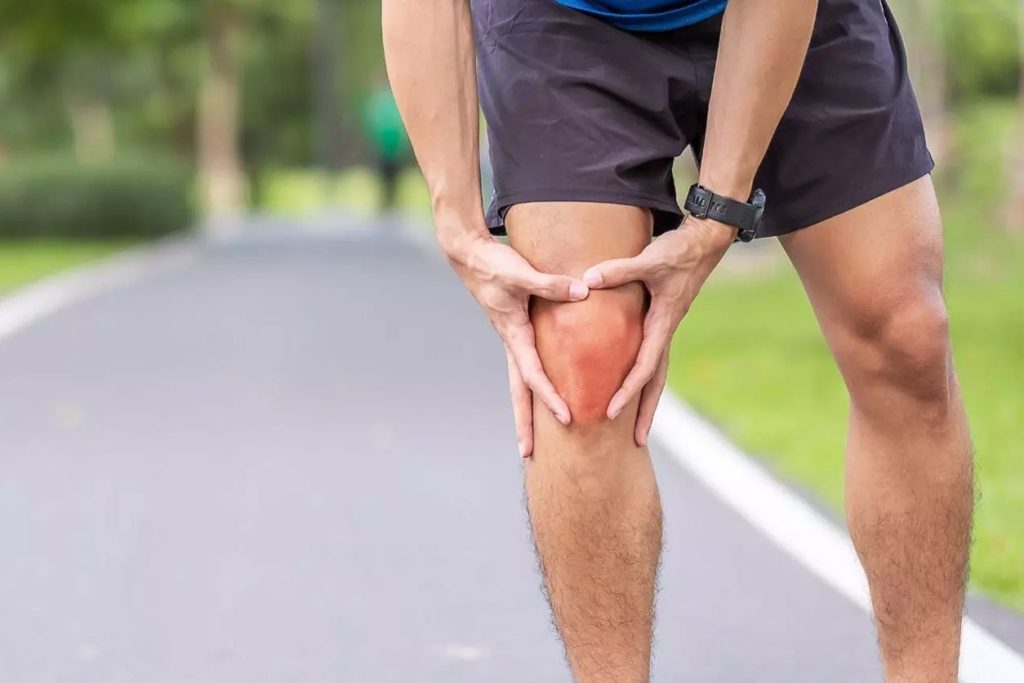
Symptoms of runner’s knee develop through a progressive process. Most runners experience a dull ache in their knee after running which becomes more intense when they walk downstairs or squat or sit for extended times. The condition can lead to swelling around the kneecap and a grinding sensation in the knee joint.
Runner’s knee can occur together with IT band pain when a person experiences discomfort that spreads to the outer side of their knee. The two conditions require different management because medical professionals need to recognize their distinct symptoms.
Immediate Steps to Reduce Pain
When you first notice knee pain after running, early action makes a difference. Continuing to train through discomfort can worsen tissue irritation and extend recovery time.
Rest and Activity Modification
Reduce mileage and avoid downhill running, which increases pressure on the kneecap. Low-impact cross-training such as cycling or swimming can maintain cardiovascular fitness without aggravating symptoms.
Ice and Anti-Inflammatory Measures
The initial detection of knee pain after running requires immediate treatment because it helps to improve results. The practice of training while experiencing discomfort leads to increased tissue damage which results in longer recovery periods.
Stretching Tight Structures
Athletes should decrease their running distance and refrain from downhill running because it puts excessive stress on their kneecaps. Athletes can maintain their cardiovascular fitness through low-impact cross-training activities which include cycling and swimming because these activities do not worsen their existing symptoms.
Strength Training for Long-Term Relief
The application of ice for 15 to 20 minutes after physical activity helps to reduce swelling. The use of gentle compression together with elevation works to decrease early stage inflammation.
Key Exercises
- Clamshells – Strengthen hip abductors
- Glute bridges – Improve posterior chain stability
- Step-downs – Enhance knee control
- Wall sits – Build quadriceps endurance
These exercises correct muscle imbalances and improve knee alignment. A consistent program, performed three to four times weekly, significantly reduces knee pain after running.
Improving Running Mechanics
People tend to ignore improper running form assessment. The combination of overstriding and excessive inward knee collapse together with poor cadence leads to increased patellofemoral stress.
Adjust Your Stride
Shortening your stride while increasing your cadence to 170 180 steps per minute will help you reduce joint load. The proper foot strike position that occurs directly below the body enables better shock absorption which stops recurring knee pain from running.
Footwear Matters
Your foot type and gait pattern require specific shoes which will help you maintain proper alignment. Worn-out shoes lose their cushioning properties which leads to IT band pain and knee irritation development. Correcting running technique not only relieves symptoms but also prevents future flare-ups which makes it essential for complete runner’s knee treatment.
When to Seek Professional Help
If knee pain after running persists for more than two weeks despite rest and strengthening, consult a sports medicine professional. A physical therapist can evaluate movement patterns, identify muscle weaknesses, and design a personalized runner’s knee treatment program.
Persistent swelling, locking, or instability may signal more serious structural issues requiring imaging or further evaluation.
Advanced Recovery Tools and Support
Many runners find that they gain advantages from using taping techniques and braces during their recovery process. Taping provides a mechanism to direct the kneecap into its correct position which decreases stress on damaged tissues. Kinesio ae taping methods enable users to achieve patellar support without any movement restrictions through their application. Kinesio ae tape which has been correctly applied enables users to experience reduced pressure on vulnerable spots while their blood flow improves and their body awareness increases during physical activities. The extra support helps runners practice their running techniques while they experience less pain during their training.
Incorporating Kinesio ae into a structured runner’s knee treatment program may also reduce associated IT band pain by stabilizing lateral knee structures. While taping is not a standalone cure, it complements strengthening and flexibility work. When combined with gradual mileage progression and attention to biomechanics, runners can overcome knee pain after running and return to consistent training with confidence.
Preventing Future Knee Pain
The best approach to stop something from occurring remains prevention. You should increase your running distance incrementally while you strengthen your body and assess your running style. Your shoe replacement needs to occur after you complete 300 to 500 miles while you must include rest days in your training plan.
Runners can prevent permanent knee pain after running by recognizing early signs of the condition and using established treatment methods for runner’s knee. The Kinesio ae system helps you address muscle imbalances and treat IT band pain while it provides essential recovery support which protects your knees during all future running distances.
FAQs
What is runner’s knee?
Runner’s knee, or Patellofemoral Pain Syndrome, is pain around or behind the kneecap. It often occurs from overuse, muscle imbalance, or improper running form.
How is runner’s knee treated?
Treatment includes rest, ice, anti-inflammatory medicines like Ibuprofen, physical therapy, and strengthening exercises to support the knee and reduce pain.
Can exercises help runner’s knee?
Yes. Strengthening exercises such as Quadriceps Strengthening and hip stabilization improve knee alignment and reduce stress on the kneecap.
How long does recovery take?
Recovery from Patellofemoral Pain Syndrome usually takes a few weeks to a few months, depending on severity and how consistently treatment and rehab exercises are followed.
When should I see a doctor?
Consult a doctor if knee pain lasts more than a few weeks, worsens, or limits activity. Early evaluation helps prevent complications related to Patellofemoral Pain Syndrome.