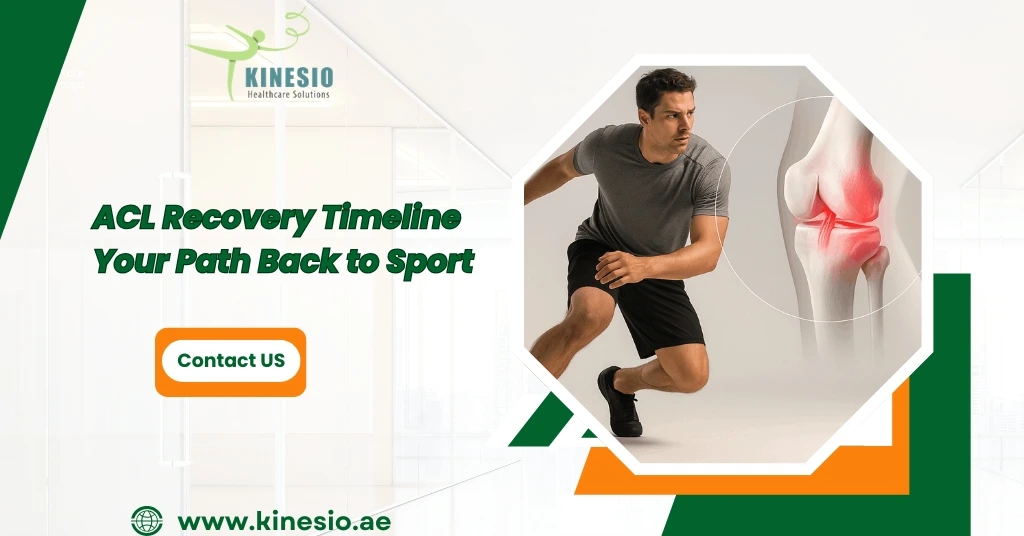
Anterior cruciate ligament (ACL) injuries represent significant obstacles which athletes must overcome. The recovery process requires athletes who suffered injuries during football high-impact plays, basketball sudden pivots or skiing downhill runs to demonstrate both patience and dedication while they follow specific recovery procedures. The ACL recovery timeline enables athletes to maintain their motivation while they work toward their objectives through safe progress.
People experience recovery differently because it depends on their individual conditions. The results depend on multiple factors which include a person’s age and health status and the surgical methods used and their dedication to rehabilitation. A structured plan enables people to rebuild their strength and stability and confidence through gradual progress.
Understanding the Injury and Surgery
The ACL functions as a primary ligament which helps maintain stability in the knee joint. The ligament functions to stop the tibia from moving forward too much while providing support for rotational movements. A knee tear leads to three main symptoms which include unstable joint movement and knee swelling and knee pain. Athletes select reconstruction surgery because it helps them regain stability while safeguarding their knee joints for future use.
What Happens During ACL Tear Surgery Rehab?
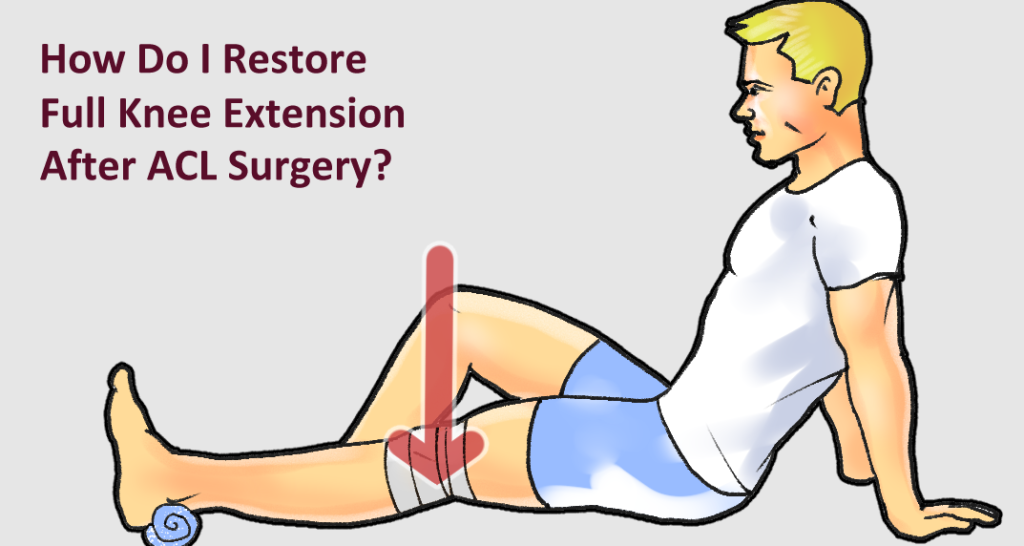
The rehabilitation process for ACL tear surgery starts immediately after the surgical procedure. The medical team aims to achieve three objectives through their first goal which includes reducing swelling and restoring knee extension and initiating quadriceps muscle activation. The patient requires crutches and a brace during their first phase but needs to start moving early to avoid developing stiffness. The process of ACL recovery progresses through different stages which each require particular objectives to be accomplished. The safe athletic return process requires strict adherence to these phases which help prevent injuries while ensuring proper recovery progress.
Phase 1: Weeks 0–2 – Protection and Early Motion
The first two weeks of treatment concentrate on two goals which are to decrease inflammation and restore fundamental movement capabilities. The program starts with two activities which are gentle range-of-motion exercises and quad activation drills. The patient starts to bear weight through their body which they advance according to their comfort level.
The rehabilitation process for ACL tear surgery begins with the patient needing to maintain proper walking patterns while their swelling needs to be controlled. The process of healing receives vital support from elevation combined with compression and icing methods. The initial steps of the process establish a base which will lead to successful ligament strengthening during subsequent stages although progress appears to be moving at a slow pace.
Phase 2: Weeks 2–6 – Building Strength and Stability
The next stage of ACL recovery begins when the patient has improved their mobility and their swelling has reduced. The patient will begin their exercise program which includes mini squats and step-ups and stationary cycling.
The current stage of the process centers on building ligament strength through supervised exercises which safeguard the graft. The program addresses core stability and hip strength because these factors have a major impact on knee alignment. The rehabilitation program for ACL tear surgery requires patients to attend sessions consistently in order to achieve muscle balance before they can start doing activities that involve higher impact.
Phase 3: Weeks 6–12 – Functional Progression
Most people at this stage can move independently while their knee control shows better results. The ACL recovery timeline now shifts toward more dynamic strengthening and neuromuscular training.
Advancing Ligament Strengthening
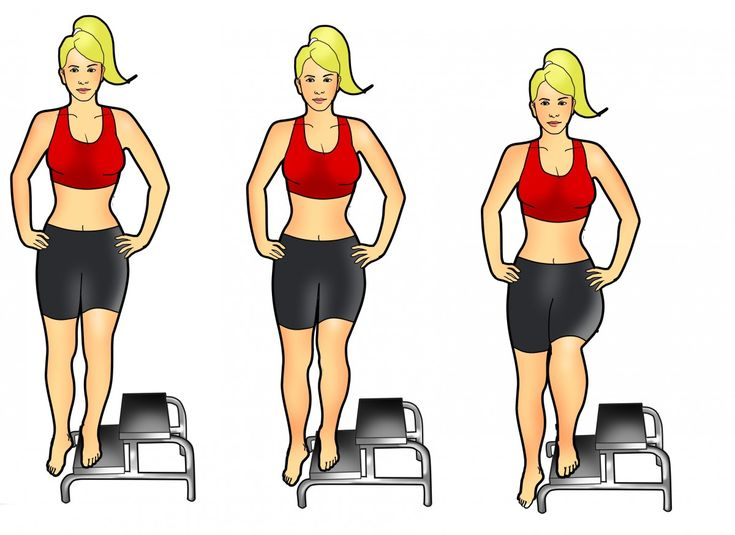
The exercises increase in difficulty because they involve lunges and balance drills and light resistance training. The process of ligament strengthening enables the reconstructed ACL to handle increasing loads. Proprioceptive training—such as single-leg balance and stability work—improves joint awareness and reduces re-injury risk.
The phase marks an increase in cardiovascular conditioning. Endurance development through swimming and elliptical training enables low-impact activities to maintain knee safety. The ACL tear surgery rehab ilitation process requires careful progression to achieve equal strength development between both legs.
Phase 4: Months 3–6 – Agility and Sport-Specific Training
The ACL recovery process reaches its midpoint when patients require advanced training exercises. Professional trainers oversee the initial training sessions which include plyometrics and controlled jumping and lateral movement exercises.
Preparing for Return to Sport
This period focuses on restoring explosive power and reaction time. Athletes practice acceleration and deceleration and directional changes because these skills serve as essential requirements for their safe return to sports. The team uses movement tracking technology to check each player’s body position and knee joint stability during training.
Psychological readiness becomes equally important. Confidence in the knee often lags behind physical improvements. The process of gradually exposing athletes to sport-like situations enables them to regain trust in their movement patterns which they developed during their ACL tear rehabilitation.
Phase 5: Months 6–9+ – Full Return to Sport
The ACL recovery process reaches its midpoint when patients require advanced training exercises. Professional trainers oversee the initial training sessions which include plyometrics and controlled jumping and lateral movement exercises.
This period focuses on restoring explosive power and reaction time. Athletes practice acceleration and deceleration and directional changes because these skills serve as essential requirements for their safe return to sports. The team uses movement tracking technology to check each player’s body position and knee joint stability during training.
Psychological readiness becomes equally important. Confidence in the knee often lags behind physical improvements. The process of gradually exposing athletes to sport-like situations enables them to regain trust in their movement patterns which they developed during their ACL tear rehabilitation.
Key Factors That Influence Recovery
Several elements can impact how smoothly the ACL recovery timeline progresses:
- Consistency with ACL tear surgery rehab
- Commitment to daily mobility and strengthening exercises
- Proper nutrition and hydration
- Adequate sleep and stress management
- Professional supervision and individualized programming
Patience is essential. Rushing a return to sport before the knee is fully prepared can compromise the graft and prolong recovery.
Supporting Recovery with Professional Guidance
Rehabilitation reaches its highest effectiveness through supervision by skilled medical professionals who possess knowledge of body mechanics and gradual exercise progression. The structured programs maintain an equal distribution of ligament strengthening exercises and flexibility training and neuromuscular control development. Advanced movement assessments together with corrective methods create substantial improvements during the last phase of ACL injury recovery. Kinesio AE operates as a rehabilitation center which delivers complete rehabilitation systems that enable patients to move safely from their initial ACL surgical recovery to their complete athletic abilities.