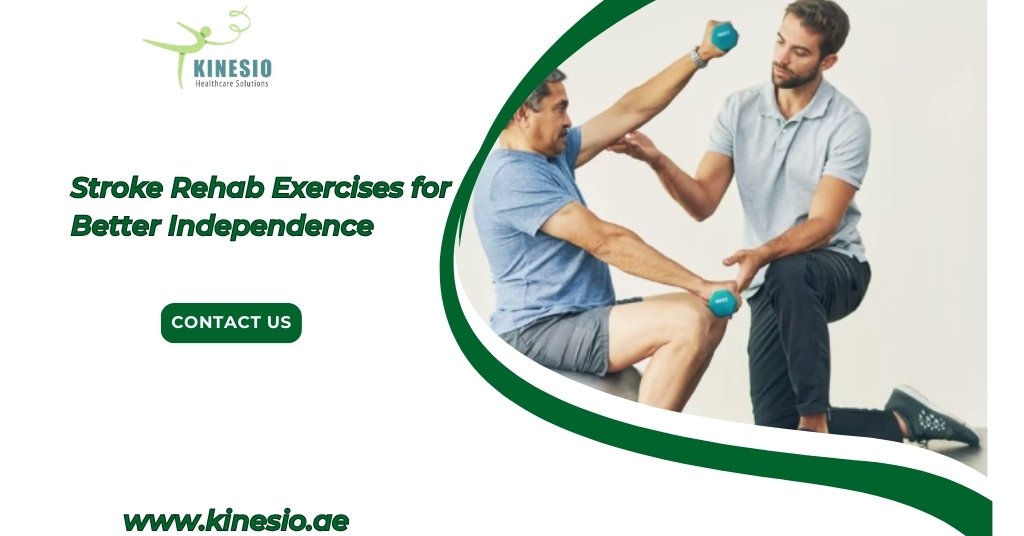
The process of recovering from stroke presents multiple difficulties, yet patients can achieve independence and better life quality through proper treatment methods. Stroke rehabilitation requires patients to undergo multiple therapies together with exercise programs and continuous medical treatment, which enable them to retrieve their lost abilities. The most effective treatment methods for stroke rehab exercises include specialized exercises, which help patients develop their ability to move and their body strength and their balance skills and their coordination abilities. The basic elements of post-stroke recovery consist of these exercises together with neurological physiotherapy.
Understanding Stroke and Its Impact
A stroke occurs when blood flow to the brain is interrupted, which results in brain cell damage. The severity and location of a stroke will determine the specific symptoms that patients experience, which include muscle weakness and loss of balance and difficulty speaking and impaired coordination. The aftermath of a stroke can significantly impact daily activities, making post-stroke recovery a critical focus for patients and caregivers.
Neurological damage leads to hemiplegia and hemiparesis, which are conditions that restrict movement on one side of the body. Rehabilitation must address two requirements: physical limitations and the neuro-muscular control needed for daily activities.
The Role of Neurological Physiotherapy in Stroke Recovery
The field of neurological physiotherapy focuses on rehabilitation methods which help patients recover their nervous system functions after suffering injuries and medical conditions. Physiotherapists use specific treatment methods to help patients regain their natural movement abilities while they build strength and develop better motor skills. The therapies which these patients receive during their post-stroke recovery period help them achieve greater independence while they work to decrease their permanent disabilities.
The physiotherapist develops an individual treatment plan which includes stroke rehabilitation exercises together with balance training and gait training after assessing the patient’s movement capabilities. The patients achieve continuous development through their regular treatment sessions while their treatment prevents both muscle tightness and joint movement restrictions.
Key Stroke Rehab Exercises
Implementing stroke rehab exercises at home or under professional supervision can significantly impact recovery outcomes. Here are some of the most effective exercises:
1. Range of Motion Exercises
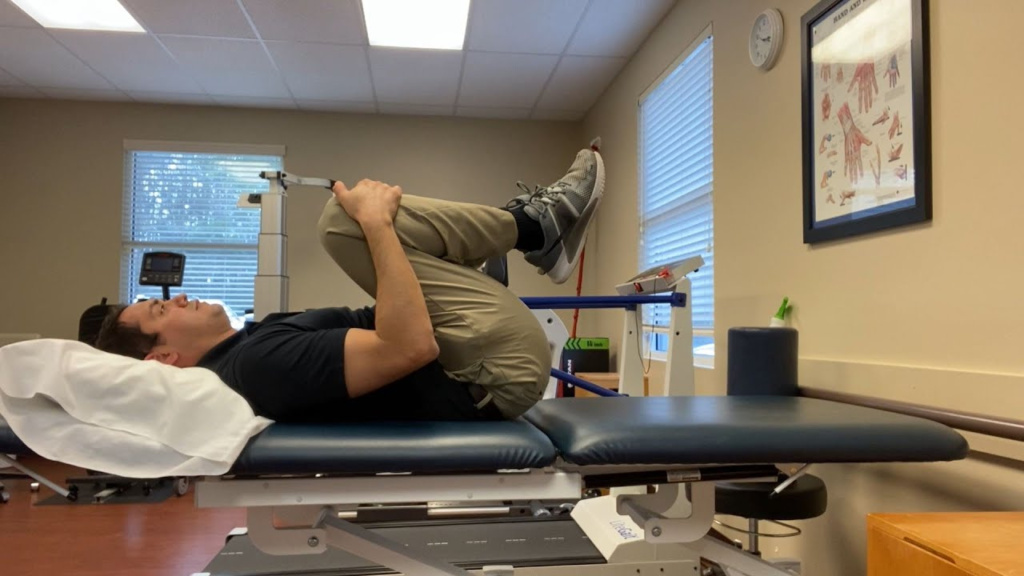
The purpose of range of motion exercises is to keep flexible muscles from becoming tight. The practice of gentle arm and leg and neck stretching preserves joint movement abilities while it protects against contractures.
2. Strengthening Exercises
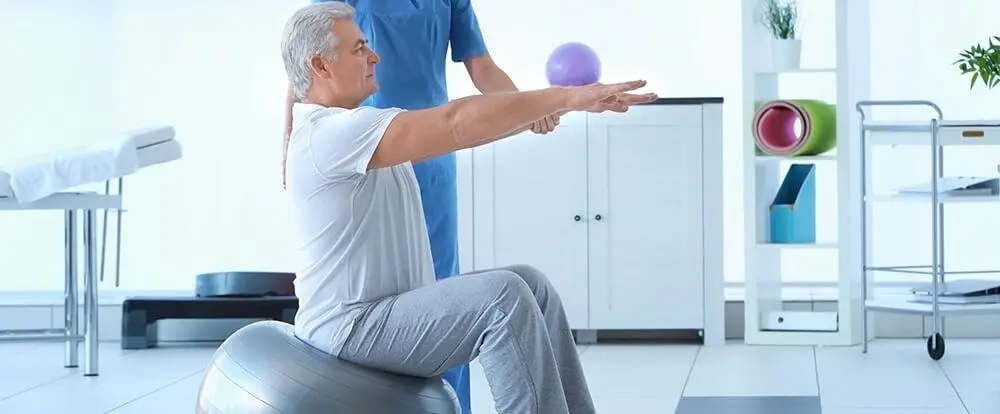
The process of building muscular strength serves as a fundamental requirement for achieving personal independence. The process of performing basic tasks such as lifting light weights and using resistance bands and practicing seated leg raises enables people to rebuild their strength after experiencing limb weakness.
3. Balance and Coordination Training
The practice of balance exercises helps people avoid falls while it boosts their walking confidence. The use of one-legged standing and balance board activities together with side-to-side weight shifting exercises serves as effective methods to train coordination skills.
4. Gait Training
The main objective of gait training in stroke rehabilitation consists of enhancing patients walking abilities. The therapists utilize parallel bars and treadmills and assistive devices to teach patients correct walking methods. The training program establishes normal walking patterns which decrease fall incidents and enables people to perform their daily routines independently.
5. Functional Exercises
Functional exercises simulate everyday tasks which include reaching for objects and climbing stairs and transferring from a bed to a chair. The exercises help patients develop motor skills while they work to regain their ability to handle daily activities.
Incorporating Stroke Rehab Exercises Into Daily Life
The process of stroke recovery requires patients to maintain their rehabilitation exercises throughout the day according to their treatment schedule. Caregivers provide support to patients by guiding them through exercises and encouraging them while monitoring their progress. The establishment of a structured exercise routine enables people to incorporate exercises into their everyday activities which leads to better results over time.
Benefits of Neurological Physiotherapy and Stroke Rehab Exercises
The combined approach of neurological physiotherapy and stroke rehab exercises offers numerous benefits:
Improved muscle strength and coordination
Enhanced balance and gait stability
Reduced risk of secondary complications
Increased confidence in performing daily activities
Better overall quality of life
The first stage of physiotherapy treatment helps post-stroke recovery to proceed at an increased speed because it enables patients to achieve their independence goals more rapidly.
The Role of Technology in Rehabilitation
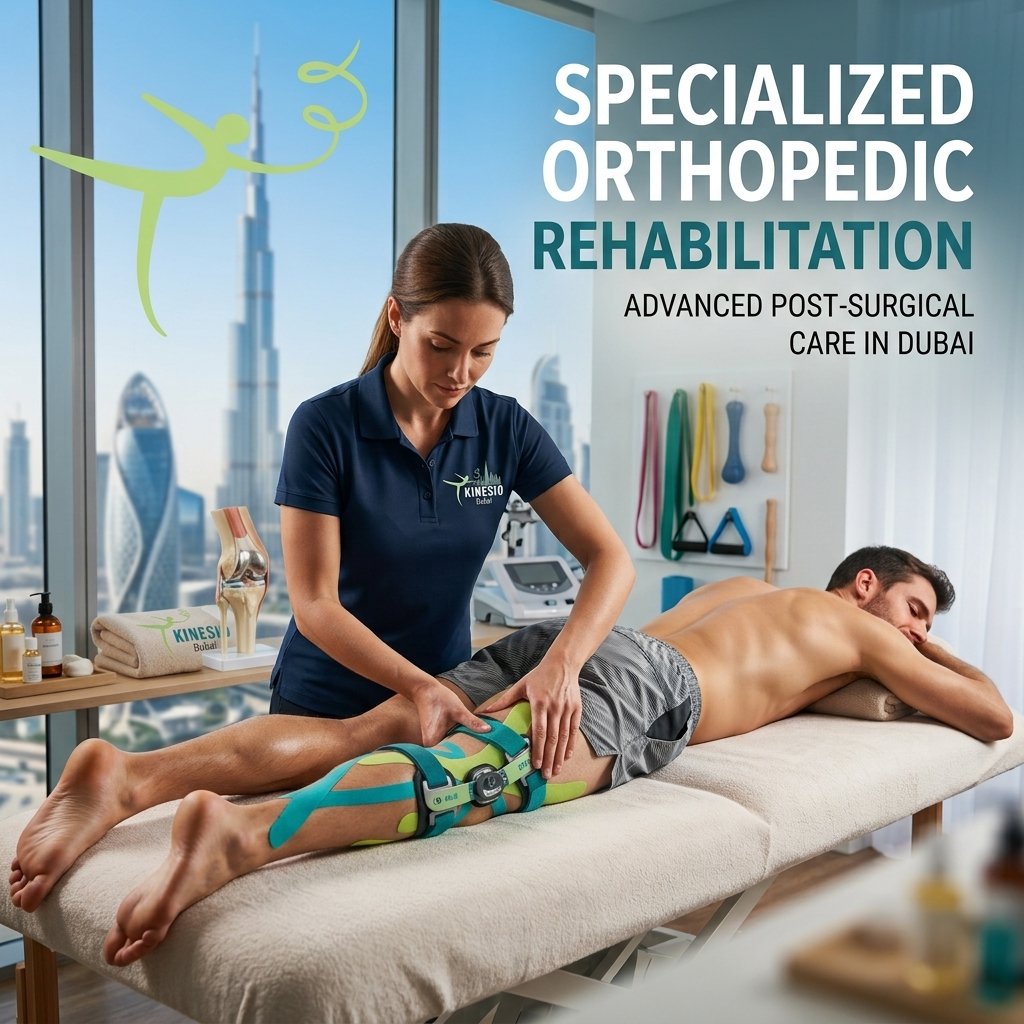
The development of rehabilitation technologies through robotic-assisted therapy and virtual reality and Kinesio taping has created a new era of stroke treatment. The equipment provides exact feedback and resistance and support to help affected muscles during traditional stroke rehabilitation exercises.
Kinesio applications, in particular, can improve circulation, support weakened muscles, and enhance proprioception. Kinesio tape provides two benefits for rehabilitation when it is used together with specific exercises and neurological physiotherapy.
Creating a Comprehensive Rehab Plan
The comprehensive rehabilitation program includes stroke rehabilitation exercises together with gait training balance training and functional training activities. The recovery process benefits from the collaborative work between physiotherapists and occupational therapists and speech-language pathologists. The main objective of progress assessments is to monitor patient development which permits safe exceeding of their current capabilities.
Final Thoughts on Stroke Rehab Exercises
The process of recovering from a stroke requires patients to practice their rehabilitation exercises while receiving professional support from certified therapists. Neurological physiotherapy provides specialized knowledge which enables therapists to address specific patient needs and enhance their recovery capabilities. The combination of conventional treatments with Kinesio taping techniques offers patients extra assistance which increases their ability to walk independently while feeling secure about their movements.
Through rehabilitation exercises and exercise routines which follow a schedule, patients gain essential improvements in their ability to move, perform daily tasks, and enhance their overall life quality. Daily practice of stroke rehabilitation exercises and gait training with supporting therapies establishes a concrete path toward achieving independence which individuals can work toward.
FAQs
What are stroke rehab exercises?
Stroke rehab exercises are targeted movements to restore strength, balance, and coordination, helping patients regain independence in daily tasks after a stroke.
How often should I do these exercises?
Consistency is key. Most patients benefit from daily practice or multiple sessions per week, as guided by a physical or occupational therapist.
Are these exercises safe at home?
Yes, with proper guidance. Start with simple, low-risk exercises, use support as needed, and consult a therapist to prevent injury and ensure correct technique.
Which exercises improve independence fastest?
Functional exercises like standing, walking, reaching, and hand-use tasks enhance mobility and self-care skills, accelerating independence in daily life.
Can stroke rehab exercises prevent future strokes?
Regular exercise improves circulation, strength, and balance, reducing fall risk and promoting cardiovascular health, which supports overall stroke prevention.