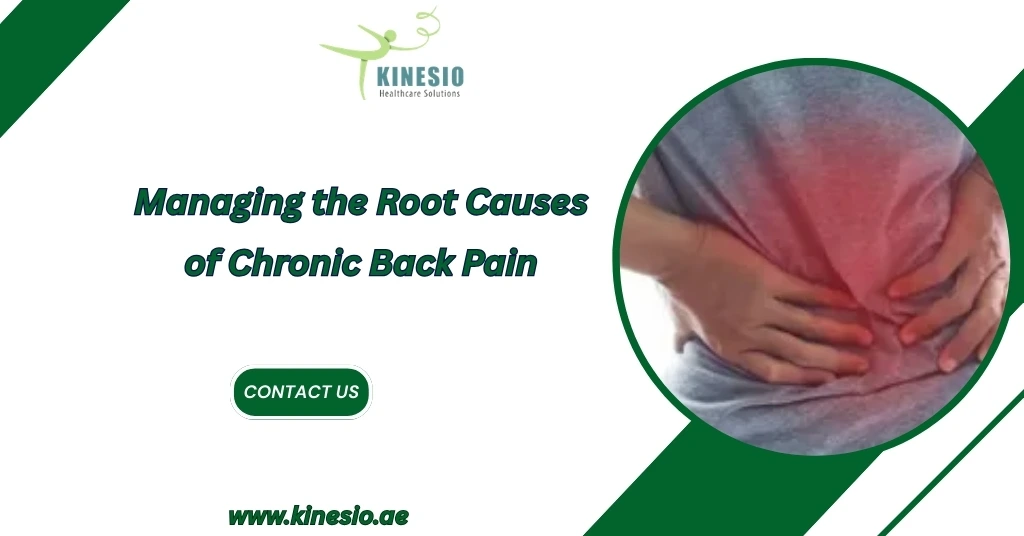
Chronic back pain is a widespread health issue that affects millions worldwide. Back discomfort can become temporary, but ongoing pain will interfere with daily activities and professional obligations and mental wellness. The treatment and prevention of chronic back pain requires understanding its underlying causes. The identification of root causes combined with a comprehensive approach enables people to achieve sustainable relief.
Understanding the Causes of Chronic Back Pain
Structural and Muscular Factors
Structural or muscular issues causes of chronic back pain in numerous cases. The conditions of herniated discs and spinal stenosis and degenerative disc disease lead to continuous pain. The spine experiences stress from weak or unbalanced muscles that affect core and lower back strength, which results in ongoing pain. The early identification of these chronic back pain causes specific treatment methods that decrease the chances of symptom advancement.
Lifestyle and Behavioral Influences
Modern lifestyles because of their current impact on society lead to increased rates of back pain. The main reasons for this condition include people who sit for extended periods and maintain bad body alignment and who do not engage in physical activity. People who do not exercise regularly their spinal support muscles which leads to more severe pain. The situation becomes worse because of stress and sleep deprivation and when people use wrong methods to lift things. The process of managing causes of chronic back pain from lifestyle factors needs to start with assessment of the factors that impact daily routines which will help develop lasting solutions to pain relief.

Medical Conditions and Chronic Illnesses
People who have chronic health conditions like arthritis and osteoporosis and fibromyalgia experience ongoing back discomfort as their primary symptom. The health of the spine can be compromised by infections and inflammatory diseases and autoimmune disorders. The process of treating ongoing pain requires identification of all underlying medical conditions because treatment based on symptoms alone fails to resolve the primary issue.
Effective Lifestyle Pain Management Strategies
Exercise and Physical Therapy
The most effective method for managing pain through lifestyle changes involves physical activity. Strengthening exercises for the back, core, and legs improve spinal support and reduce strain. Stretching routines enhance flexibility, which helps to prevent muscle stiffness. Professional guidance from a physical therapist ensures exercises are performed safely and effectively, which helps to reduce the risk of injury while promoting healing.
Posture and Ergonomic Adjustments
Chronic back pain develops because people maintain bad posture and use their workstations incorrectly. Practicing mindful movements, such as bending the knees during heavy lifting, is essential for managing pain. This approach helps reduce the recurrence of discomfort in daily life. This approach helps reduce the recurrence of discomfort in daily life.
Nutrition and Weight Management
Maintaining a healthy weight eases the mechanical load on the spine, which reduces the chances of developing persistent pain. A balanced diet that contains anti-inflammatory foods together with vitamins and minerals provides essential support for maintaining musculoskeletal health. The nutritional guidance, which accompanies other persistent pain treatments, helps patients improve their wellness while building resistance to chronic back problems.
Medical and Alternative Approaches for Persistent Pain Treatment
Medications and Interventional Procedures
For severe cases, medical interventions may be necessary. Short-term relief can be achieved through the use of nonsteroidal anti-inflammatory drugs and muscle relaxants and pain medications. The underlying cause of a condition can be treated through corticosteroid injections and minimally invasive procedures. The approaches serve as essential components of persistent pain treatment for patients who experience chronic back pain due to structural or medical conditions.

Alternative Therapies
Acupuncture and chiropractic care and massage therapy work as alternative medical treatments which help patients with spinal problems to achieve better results. The therapies support traditional pain management methods by increasing flexibility and decreasing inflammation while enhancing blood flow to damaged body parts. The combination of alternative treatments with medical therapies provides an effective method for treating chronic pain management.
Psychological and Behavioral Interventions
Stress Reduction and Mindfulness
People with causes of chronic back pain experience increased symptoms because of their stress and anxiety. Psychological interventions, which include mindfulness meditation and cognitive-behavioral therapy (CBT) and relaxation techniques, enable patients to control their pain perception and their emotional reactions. The implementation of mental health programs within daily pain control methods leads to better life quality and decreased effects from ongoing pain.
Sleep Optimization
Sleep disturbances have a dual relationship with chronic pain. They can both trigger pain and result from it. Improving symptoms involves three steps: establishing a regular sleep pattern, creating an effective sleep environment, and using relaxation techniques. The body’s natural healing processes together with persistent pain treatment achieve better results through the benefits of sufficient rest.
Integrating Kinesio Techniques for Long-Term Relief
Kinesio Taping and Muscle Support
Kinesio taping serves as a therapeutic method that medical professionals use to treat patients experiencing chronic back pain. The method enables patients to continue their normal activities while controlling their pain, which makes it essential for developing pain management techniques that require active living.
Personalized Kinesio-Based Programs
A comprehensive Kinesio program requires two steps which begin with assessment of pain sources and end with the development of an individualized treatment strategy. The combination of Kinesio taping with exercise and ergonomic modifications and alternative treatments forms a complete solution to all aspects of the medical condition. The complete method treats the fundamental reasons behind chronic back pain which helps patients decrease their medication usage while achieving enduring relief.
Conclusion
By understanding the causes of chronic back pain and adopting lifestyle pain management techniques, individuals can improve mobility and comfort. Kinesio-based methods enhance support and flexibility, offering long-term solutions that address the root of discomfort rather than merely masking symptoms. With attention to physical, behavioral, and therapeutic strategies, it is possible to regain control over daily life and reduce the burden of chronic pain.
FAQs
What causes chronic back pain?
Chronic back pain often stems from poor posture, muscle imbalances, herniated discs, arthritis, or weak core muscles. Identifying the root cause is key to treatment.
How can I prevent chronic back pain?
Maintaining good posture, exercising regularly, strengthening core muscles, and avoiding prolonged sitting can reduce the risk and manage underlying causes of chronic back pain.
Are lifestyle changes effective?
Yes. Weight management, quitting smoking, stress reduction, and proper ergonomics can relieve strain on your spine and help treat the root causes of persistent back pain.
When should I see a doctor?
Seek medical attention if pain persists beyond a few weeks, worsens, radiates to limbs, or is accompanied by numbness or weakness, to address underlying conditions.
What treatments target root causes?
Physical therapy, targeted exercises, posture correction, medication, and sometimes minimally invasive procedures can address the root causes, not just the symptoms, of back pain.