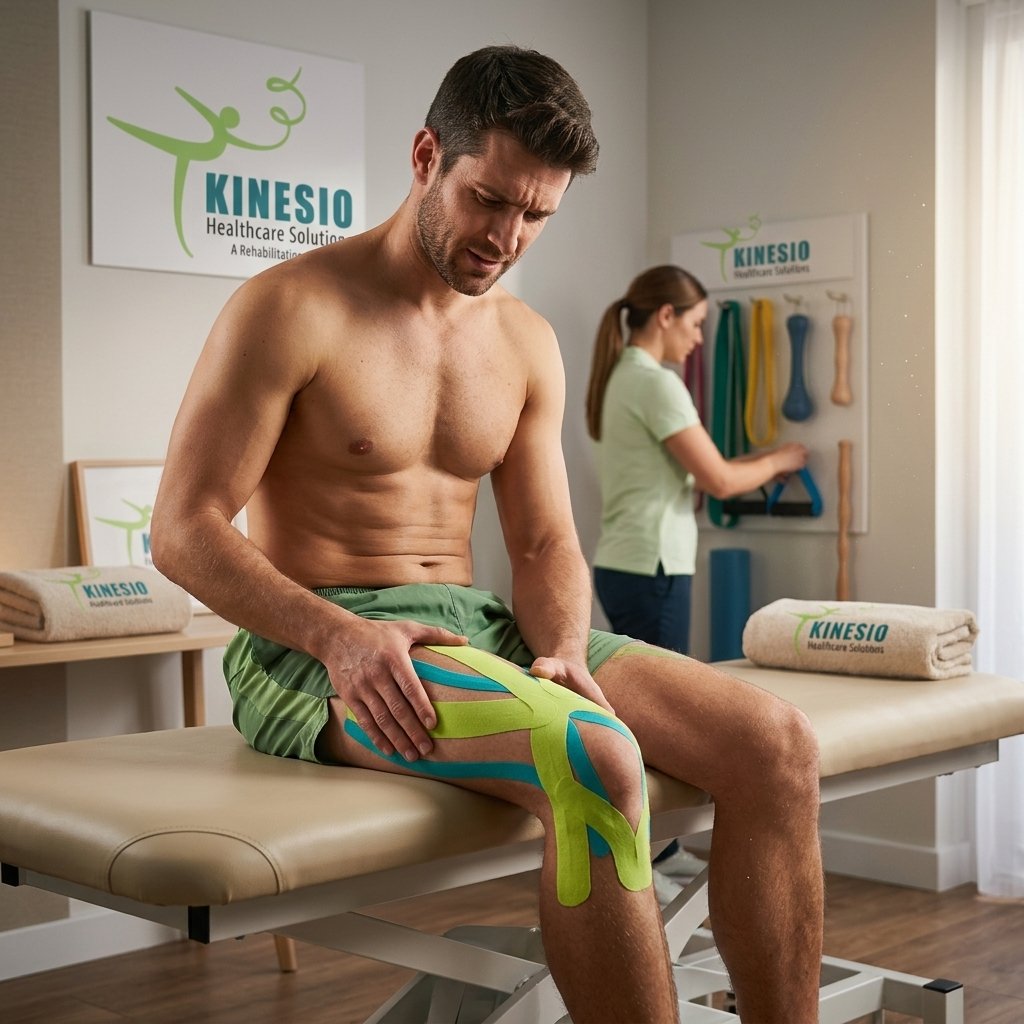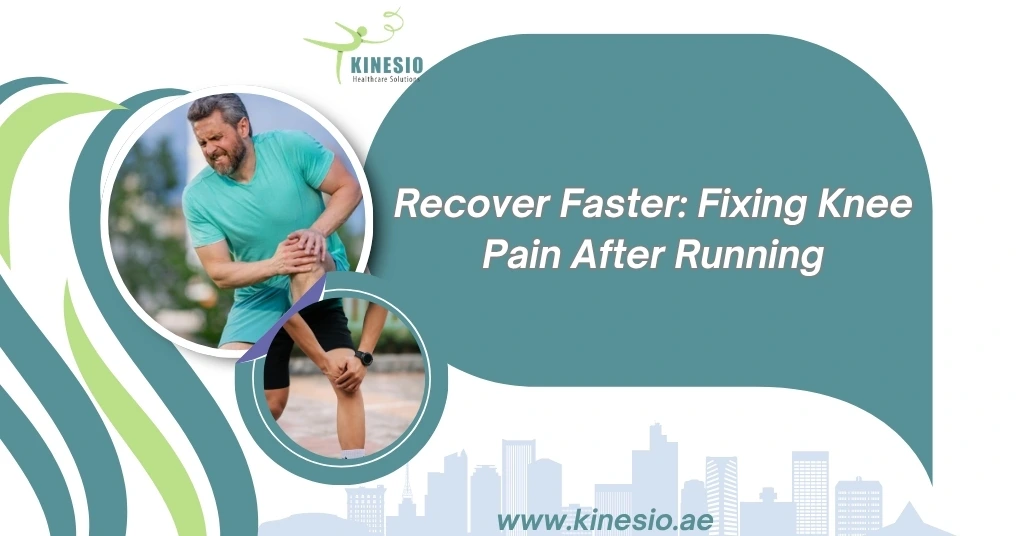
Knee pain after running is a common injury that can affect runners of all experience levels. No matter how seasoned you are, pain in your knees can limit how often you run or how long you can run. Fortunately, many strategies can be used to alleviate pain in your knees, such as recovery strategies and prevention strategies, and learning the reasons leading to knee pain. However, as a runner, the most important aspect is to remain injury-free.
Injuries involving knee pain can happen for several reasons, most of which are focused on the individual’s running technique. This blog focuses on the most common injuries found in runners, including treatment options, prevention strategies, and the reasoning behind injuries involving the knee.
Knee Pain After Running: What To Know
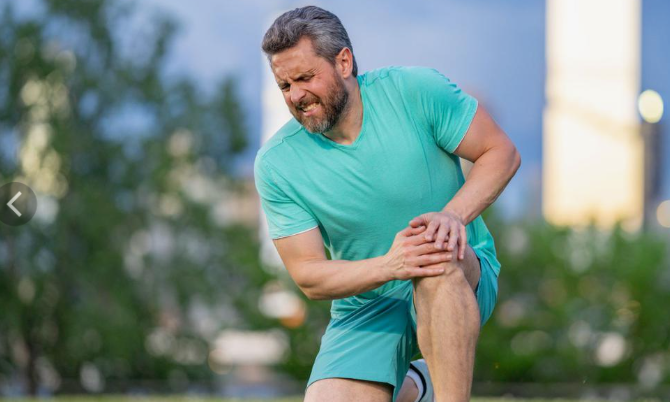
Many people develop knee pain after running, often due to a lack of experience. Improper running form can result in knee pain, and so can running with increased mileage. The knee is made up of several joints. Each of these joints can become strained or injured due to the strong repetitive impacts associated with running.
The cause of the pain can be anything from a slight annoyance to a major problem. The first step to healing is to figure out the cause.
General Causes of Knee Pain
- Overuse and Repetitive Stress
The knee pain after running caused by overuse is a common phenomenon. Repeatedly stressing the knee with no breaks can irritate the joints and other associated tissues.
- Runner’s Knee (Patellofemoral Pain Syndrome)
One of the common conditions runners develop is runner’s knee. The proper footwear and some rest will allow the runner’s knee to heal.
- Iliotibial Band Syndrome
IT (Iliotibial) Band Syndrome is also common among runners. When the iliotibial band becomes tight, it can cause pain to the outer area of the knee.
- Running Form
Knees may feel discomfort or pain over time from running because of stress caused by improper running form.
- Muscles
Knee support may be insufficient because of weak glute, hamstring, or quadriceps muscles, leading to running-related knee pain.
Symptoms to Look For
Identifying symptoms may feasibly stop the development of more severe injuries. Symptoms may be:
- Pain (sharp or dull) around the kneecap
- Swelling and stiffness
- Running-related pain
- Pain after running
The knee may be more difficult to bend (or more difficult to straighten) than it ought to be.
Knee pain after running needs to be addressed when symptoms do not subside.
Immediate Steps to Relieve Pain
1. Recovery
The body may need time to heal, meaning the engagement of painful activities should be halted.
2. Ice
Inflammation and pain may be assuaged by the application of ice.
3. Elevated Compression
Swelling control and recovery may be faster when compression and elevation of the painful area is practiced.
Effective Treatments
1. Therapy
The imbalances of some muscles and the movement restrictions of some muscles may be addressed with therapy.
2. Knees
Knee pain may be eliminated by strengthening and stretching activities combined with a gradual increase in the level of activity.
3. IT Band & Knee
The pain associated with the IT band may decrease and flexibility may improve when the muscles that are tight are stretched.
4. Running Form
The recurrence of knee-related issues may be caused by running form. Issues may be caused by improper running form.
Strengthening Exercises for Knee Support
Unsurprisingly, recovery and prevention are most likely to be assisted by knee strengthening around the damaged area.
- Squats
- Lunges
- Leg raises
- Glute bridges
These may be most effective in aiding the stabilization of the knee joint and the prevention of running-related knee pain.
The Importance of Right Shoes for You
The type of shoes worn can impact an athlete’s performance. Good running shoes should offer various supporting features, such as:
- Sufficient cushioning
- Good arch support
- A perfect fit
Replacing shoes that have lost cushioning can help reduce knee pain when running.
Knee Pain Prevention
1. Slow and Steady
To avoid injury, run a little further with each run.
2. Total Preparation
Your body should be warmed up before running, and cooled down afterward.
3. Running Technique
Proper technique should reduce the strain placed on the knees.
4. Strength
The knees should be protected with additional supporting muscles, so incorporate strengthening exercises.
When to Seek Medical Consultation
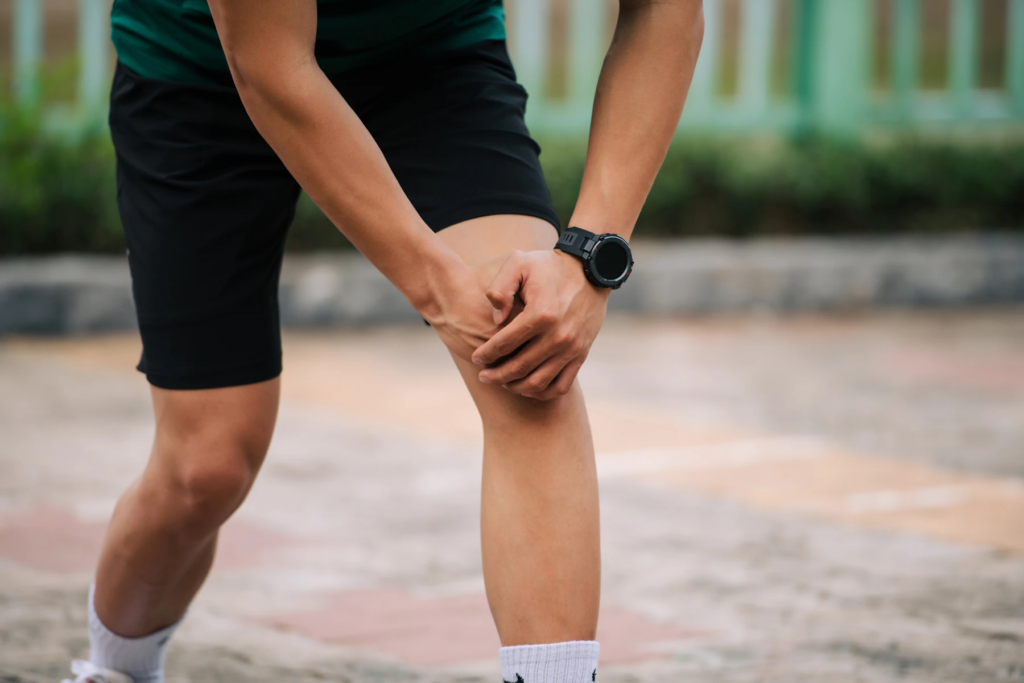
When running knee pain won’t go away, resting and treating should ease the pain. However, the following symptoms indicate medical help:
- Pain
- Swollen knees
- Knee injuries that cannot bear weight
- Reduced knee movement
- Pain that remains for an extended period
Long-Term Recovery Strategies
1. Exercise
Your flexibility and strength should be routinely exercised to prevent injury.
2. Balanced Training Routine
To prevent injuries, rest days should be included with the addition of different exercise types.
3. IT Band
IT band pain should be managed with foam rolling and stretching.
4. Runner’s Knee
The knee of a runner should be treated using an appropriate, structured treatment plan.
A Positive Attitude Towards Recovery
This mental process can be frustrating, especially when positivity and patience can be a powerful motivator. A stronger mentality will help with dealing with the injury.
Conclusion
Knee pain after running is disheartening, but with the right mindset, it is something that can be overcome. Learning what the cause of the pain is, what treatment is effective, and what strategies can be used to prevent the pain from returning can all be done to ensure a quick recovery and a quick return to running.
Techniques to address the pain can include improving one’s running style, addressing pain associated with runner’s knee, and addressing pain associated with the IT band. All of these will support knee health in the long run. With time, the pain can undoubtedly be overcome so that the many advantages of running can be enjoyed.
FAQs
1. Why do knees hurt from running?
Knee pain may result from running too often, using poor running form, muscle weakness, or a specific injury known as runner’s knee.
2. How do I relieve knee pain at home?
The first-line treatment of knee pain at home can be accomplished using rest, ice, compression, and elevation.
3. What do I need to do for runner’s knee treatment?
Runner’s knee treatment can be done through a combination of strengthening and stretching exercises, as well as modifying one’s running behavior.
4. Does running style contribute to knee pain?
Improper running style can contribute to excess knee pain by adding stress to the knees.
5. What is meant by the pain of the IT band?
Pain of the IT band is the result of swelling of the iliotibial band, which is typically felt on the outside of the knee.
6. When is it advisable to see a doctor?
When pain persists or gets worse, and it is hard to move, it is time to see a doctor.