Injuries to the ACL (anterior cruciate ligament) demand guidance, discipline, and the ability to wait. It is helpful to have an understanding of the ACL recovery timeline. It helps to have an understanding of the timeline to recover as an athlete trying for peak performance or even someone trying to regain a normal level of function.
ACL recovery is not instant, but instead occurs through stages that include milestones and goals. To have a successful recovery, advanced knowledge of what to expect in each stage helps you avoid deficits, motivates you to tackle the recovery challenge, and assists you in having an overall successful recovery.
Basic Knowledge of ACL Injuries
The ACL recovery timeline is of the main ligaments that stabilizes the knee joint. It connects the thigh (femur) to the shin (tibia) and assists in movements such as stopping, pivoting, and changing directions.
Some of the common activities that cause ACL injuries include the following:
- Playing certain sports (e.g. soccer, basketball, football)
- Sudden twisting movements
- Jumps and landings
- Knee impacts
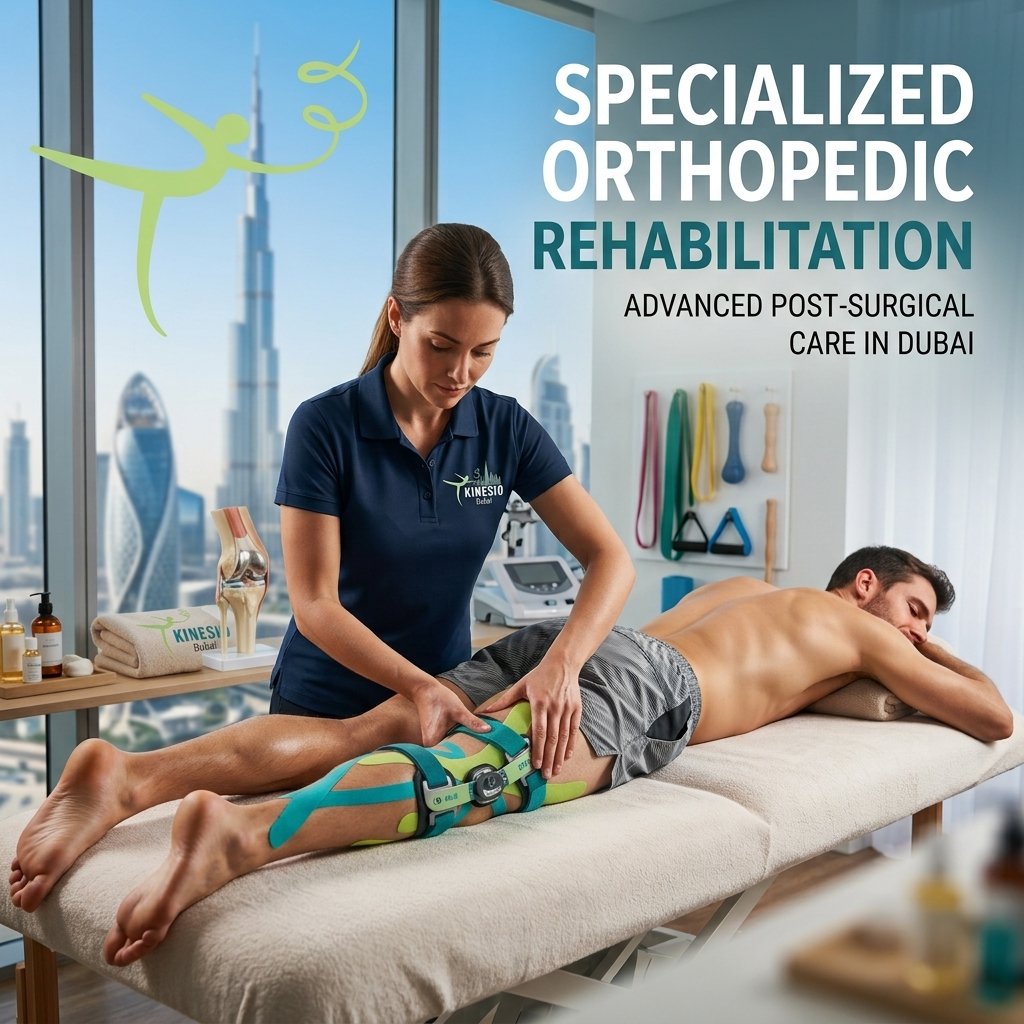
Rehabilitation programs that are structured are essential in the event that surgery is done to reconstruct the ACL.
Significance of the ACL Recovery Timeline
The ACL recovery timeline of every individual is uniquely different, however, general timelines and goals help to have realistic expectations. This assists in:
- Effective tracking of progress
- Not rushing to activities too soon
- Lessening the chances of re-injury
Healing the ligament strengthening in itself is progress, but recovery is more of the re-establishment of the strength, the stability, and most importantly the confidence in the knee.
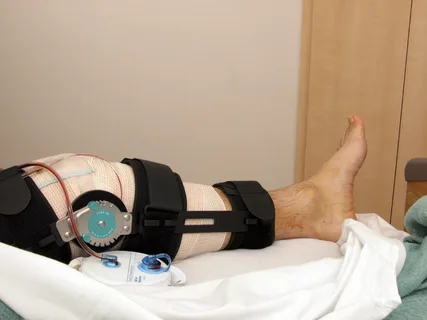
Phase 1: Immediate Post-Injury or Surgery (Week 0–2)
Objectives
- Alleviate swelling and pain
- Safeguard the knee
- Restore fundamental movement
This is the most important stage. Whether it is ACL tear surgery rehab or conservative management, the most important thing is healing and preventing further inflammation.
Anticipated Actions
- Use of crutches or knee brace
- Weight-bearing is limited
- Some gentle movement exercises
Controlling swelling by using ice, elevating the knee, and resting it is critical. Early movement is encouraged, but needs to be carefully controlled.
Phase 2: Early Rehabilitation (Weeks 2–6)
Objectives
- Enhance range of movement
- Initiate early muscle strengthening
- Gradually increase in bearing weight on the limb
This is when the patients first undergo organized physiotherapy. The knee begins to regain movement and the muscles around the knee are strengthened.
Anticipated Actions
- Leg straightening exercises
- Activation of knee muscles
- Some gentle stretches
This is the most important phase of your rehab program. The earlier you are injury-free, the better your muscles, and the less pain you experience, the greater your chance for a full recovery.
Phase 3: Strength Building (Weeks 6–12)
Objectives
- Re-establish muscle strength
- Re-establish balance and stability
- Re-establish and increase functional movement
This phase revolves building strength in the quadriceps and hamstrings and the muscles that surround the joints.
- Possible Exercises
- Resistance exercises
- Bicycling
- Exercises to improve balance
Experiencing improvement, during exercise, is often very noticeable in this phase but patients often feel the need to increase to a high impact activity. They should avoid this to ensure a complete recovery.
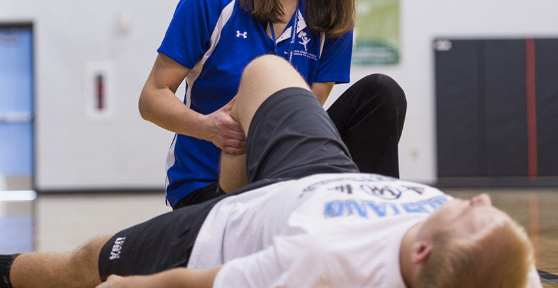
Phase 4: Advanced Rehabilitation (Months 3 – 6)
Objectives:
- Develop coordination
- Develop agility
- Prepare for further progressed dynamic movements
We hope by this stage the knee will feel stable and strength will be increasing.
Training Includes:
- Light jogging
- Agility drills
- Controlled jumping
This phase focuses on the gap between the routine and advanced activities: these will be new activities for the patient.
Phase 5: Return to Activity (Months 6 – 9)
Objectives:
- Regain full function
- Build confidence
- Return to sport or daily activities
In this stage the patient begins to return to a normal routine, and this can be exciting.
Point to Note
Once cleared by a healthcare professional, the patient can return to sports.
Continued strength and conditioning will be needed
Patience is required as healing is still ongoing.
Phase 6: Full Recovery (9 – 12 Months and Beyond)
Key Goals:
- Return to optimal pre-injury performance levels
- Reduce and ultimately eliminate the risk of injuries on the knee
- Continue to prioritise the health of the knee
- Recovery can take a year or a little more depending on the individual.
Focus Areas
- Advanced strength training
- Job-specific drills
- Injury prevention
Ongoing care and conditioning is needed to rejoin competitive sports.
Milestones That Matter:
EveryACL recovery timeline is marked with milestones. Marking milestones helps patients cope with the process of recovery. Improved swelling and pain, increased range, and ability to assist with walking, increased muscle strength, and increased activity levels (running, jumping, etc.) are significant milestones that should be tracked regularly. Checking off milestones can help identify if the recovery process is taking the correct course.
Challenges of Recovery:
Recovery can also bring difficulties and challenges. Damage can make the process of recovery long and frustrating. There can be fear of sustaining re-injury, muscle weakness, imbalance, and the presence of stiffness which can also make movements painful. All of these things can be considered normal; however, compliance with rehabs and mental focus can give positive results. Challenges can be overcome by remaining consistent with rehabilitation and keeping a positive attitude.
Helpful Recovery Strategies:
1. Focusing on professional help is your best option.
2. Consistency is key, this includes regular exercise and therapy.
3. Try your best to avoid rushing the process.
4. Adequate nutrition and focus on recovery.
5. Make sure to include strength exercises for your core and hips, they’re necessary for knee stabilization.
The mental side of recovery:
Recovery can involve the mental aspect of it too. There can be anxiety surrounding the return to activity (especially in sports). The process can be extremely difficult mentally and support and positive encouragement can make a significant difference. The mental aspect of ACL recovery timeline is just as important as the physical. Everything from your support system (family, friends, healthcare providers, etc.) to your personal mindset can play a pivotal role in your recovery journey.
Seeking Medical Attention
Although you may feel some discomfort, there are some symptoms that are cause for concern:
- Swelling that does not go away
- Pain that is severe
- The knee feels unstable
- Range of motion is limited
You should speak with a medical professional if you are experiencing any of these issues.
Conclusion
Emotional struggles that can stem from a long recovery process can be offset by understanding the road ahead. ACL recovery timeline injury can feel daunting, but a little confidence can be gained by focusing on the small goals one can achieve.
For whatever purpose the plan is in place, it can be followed to determine the goals that can be realistic.
This is a slow but necessary process with the goal in mind.
FAQs
1. What is the usual process to recover from an ACL injury?
The recovery from an injury can take anywhere from 6-12 months. This is determined by the severity of the injury and how well the person is undergoing rehabilitation.
2. Is it possible to walk after surgery?
In most cases, walking will be possible. However, there will be an assistive device, such as a walker or crutches, that will provide support.
3. How long does it take to rehabilitate an ACL injury?
6-9 months is the average time to rehabilitate an ACL injury, but some cases will require a year to completely heal.
4. How important is rehabilitation after an ACL injury?
Rehabilitation is a critical component of the healing process. This will be necessary to regain full functionality of the knee.
5. What happens if I rush my recovery?
Rushing your recovery can increase the chances of re-injury and make healing take even longer. Because of this, it is crucial to stick to the recommended guidelines.