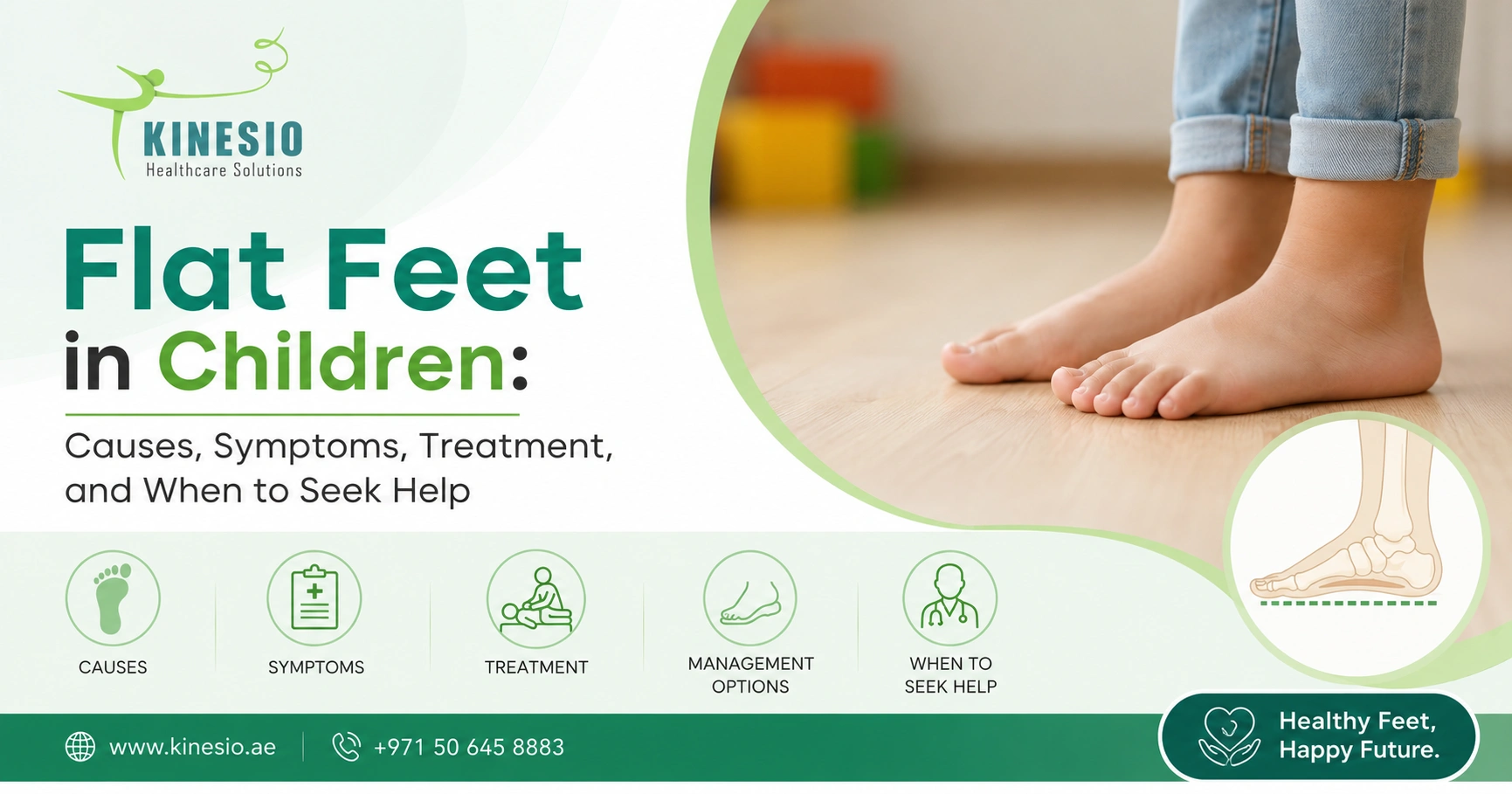
Seeing little or no visible arch when looking at the soles of your child’s feet may leave you worried. Flat feet in developing children is not an unusual phenomenon and is part of their natural development. In the majority of children, arches begin to develop naturally as they grow and will not need any treatment. Flat feet in children can be a sign of an underlying issue in some children, especially those who experience pain or restriction in movement, during and after walking or running.
Knowledge of causes, symptoms, and treatments will help you make the right decisions to promote your child’s healthy development.
What Are Flat Feet?
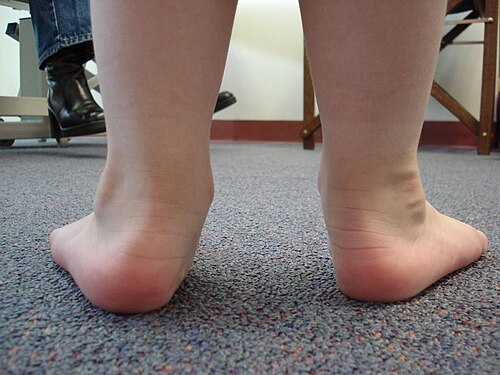
When arches are low or completely absent in developing children, they can be said to have flat feet. Standing with a flat footed position in this case means that the entire sole of the foot is making contact with the ground. The most common type of flat feet is flexible flat feet. In flexible flat feet, the arch is present when the child is sitting or standing tiptoed and is usually painless. Rigid flat feet that are present when an arch is not formed of a foot in a tiptoe position, restrict movement and will need medical assessment.
What Causes Flat Feet in Children?
Flat feet in children can be caused by:
- Normal development
- Genetics
- Loose ligaments and joint flexibility
- Muscle weakness
- Some neurological or muscular conditions
- Obesity, which adds more stress on the feet
Considering several of the listed causes of flat feet, many developing children will experience an improvement to flat feet naturally.
Common Symptoms
Some children with flat feet will show some symptoms, while most will show none at all. Below are some of the symptoms that have been documented.
Foot Pain
Physical activity may result in pain in the arches, heels, ankles, and calves.
Activity Related Fatigue
Children may show an increased level of fatigue during physical activities, such as prolonged walking, compared to children without flat feet.
Altered Gait
Some children may show some symptoms of clumsiness. They may walk differently or may show discomfort when they run.
Uneven Shoe Wear
Due to altered foot mechanics associated with **flat feet in children**, there may be uneven shoe wear.
Diagnosing Flat Feet
The evaluation process involves an assessment of the feet in standing, walking, and other movements. The assessment may also include an evaluation of flexibility, posture, balance, and gait.
In some cases, imaging may be indicated if there are concerns of suspected abnormal foot structures or advanced symptoms.
Treatment
Most cases of **flat feet in children** are benign and do not need treatment if there are no associated symptoms.
Pediatric Physiotherapy
Flat feet may be treated with physiotherapy to improve the child’s strength and range of motion.
Foot and Ankle Exercises
Exercises of the foot and ankle can help support optimal movement patterns.
Supportive Shoes
Comfort may be improved when daily supportive shoes with arch support are used.
Orthotic Devices
To help minimize pain and improve the alignment of the feet, **kids orthotics** may be used.
The Role of Development
The foot arch develops for many years during childhood. Doctors look at foot development along with the other **developmental milestones.** This helps them decide whether flat feet require monitoring, or if they can be considered within the boundaries of normal development.
With age, follow-up appointments allow treatment to be more personalized.
Can Flat Feet Affect Daily Activities?
The majority of children that have flexible flat feet can easily participate in games and sports that involve running and even play. However, flat feet can affect a child’s physical activity and even damage their self-esteem if they are accompanied by discomfort and fatigue.
Proactively checking on flat feet can help intervene with the correct support if the symptoms have not yet progressed.
When Should Parents Seek Professional Advice?
Parents can help support children’s flat feet if they seek aid from a doctor when the flat feet in children shows the following symptoms:
Foot/Ankle pain
Foot flat and walking/running trouble
Many falls with a poor sense of balance
Feet of different sizes
Feet exhibit rigidity
Swelling or deformity of Feet
There is no need for treatment if the feet can be deemed within normal development.
Supporting Healthy Foot Development
Healthy foot development is bolstered by maintaining the right balance when resting, active feet, and healthy body weight. Support and treatment can play a great role in developing better movement of feet and enhancing their strength.
Conclusion
Generally, **flat feet in children** is a typical part of development and does not inhibit the child’s healthy development. If the child is showing symptoms, like pain, troublesome abnormal movement patterns, or if the child is showing other unusual symptoms, then the child should be assessed by a healthcare professional to determine the most appropriate treatment. For the most part, children should be able to grow up and be active, and the appropriate therapeutic exercises, the most appropriate type of supportive shoes, and care that is tailored to their individual needs can help achieve that.
FAQs
1. Are flat feet in children a cause for concern?
Most of the time, yes. During development, flat feet that are flexible are common and most children will develop an arch later.
2. At what point should parents be worried about flat feet?
A child’s flat feet should be assessed by a healthcare professional if the child is experiencing pain, has flat feet that make walking difficult or stiff, or if the flat feet prevent the child from participating in normal activities.
3. Is flat feet a reason for children to have physiotherapy?
Yes. Flat feet can be the reason for children to have physiotherapy, as it can help to improved movement and develop strength and flexibility.
4. Should all children with flat feet have orthotics?
No. Flat feet in children do not necessitate orthotics unless a healthcare professional prescribes them as a means of helping to decrease pain or improve function.
5. Should children with flat feet be able to play sports?
Yes. Flexible flat feet should not be a reason for children to participate in sports and physical activities, unless the flat feet are causing the child to experience pain.