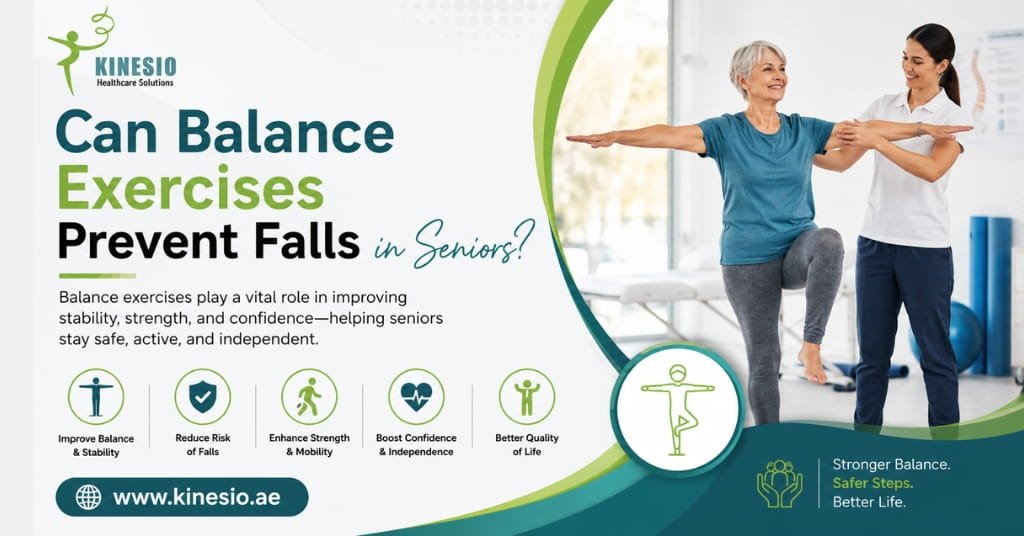
Falls can be devastating for older adults as they can cause injury, loss of independence, and even decreased quality of life. Aging can cause changes in muscle mass, flexibility and in turn, decrease coordination as well as slow reaction times. All of these can increase a person’s risk of falling. The sad truth is, most falls are preventable. Regular exercise, specifically, balance exercises for seniors, can prevent falls.
Balance exercises reinforce muscle strength and coordination, which improves a person’s ability to be stable and give them confidence to move throughout the day. Balance exercises can be performed even in the comfort of your own home and can help seniors greatly in maintaining their independence and improving their health.
Why Do Seniors Experience More Falls?
There are many reasons as to why older people tend to fall more often. First, muscle mass decreases and reflexes become slower, and therefore, stability is harder to maintain. Vision can change, and due to chronic health conditions and medications, coordination can also be affected.
Some other reasons older adults can fall more often include:
- Poor balance
- Stiff joints and muscles
- Poor posture
- Poor eyesight
- Issues with the feet
- Side effects of medications
- Uneven surfaces
Adverse age effects can be combated if some of the causes are understood.
How Balance Exercises Help
Balance exercises help seniors respond better to changes in quickly in the environment, and help reinforce muscle mass as well as improve posture. These exercises greatly improve coordination of the body and the brain.
The following items are considered benefits of balance training:
- Control of The Body
- Coordination
- Strength of The Lower Body
- Confidence Building
- Reduction of Risk Stumbling
- Independence
Every day practice of balance training improves the safety and comfort for all of your daily tasks.
Strength Training and Balance
Part of the balance training also involves strengthening. Maintaining a strong core and strong/fit legs supports the body and allows you to maintain balance when standing, walking, climbing, or even getting up from a seated position.
The following items are good examples of strength training balance workouts:
- Squats
- Heel Raises
- Leg Lifts
- Step Ups
- Lunges
- Core Strengthening
Together, strength and balance training give seniors a better defense against falling.
Improved Balance = Improved Daily Tasks
The benefits of improved balance extend to many tasks of daily living such as:
- Walking Around The House
- Entering and Exiting Bed
- Climbing Stairs
- Shopping
- Carrying Groceries
- Gardening
- Chores
The more seniors practice daily balance activities the better their health becomes.
Consistency Considered
Practice, as with all else, improves balance training. The recommended frequency for the balance training of seniors can be as many as several days a week as per the advice of their medical and fitness professionals.
Short, frequently done training sessions are more beneficial than infrequent training of longer duration.
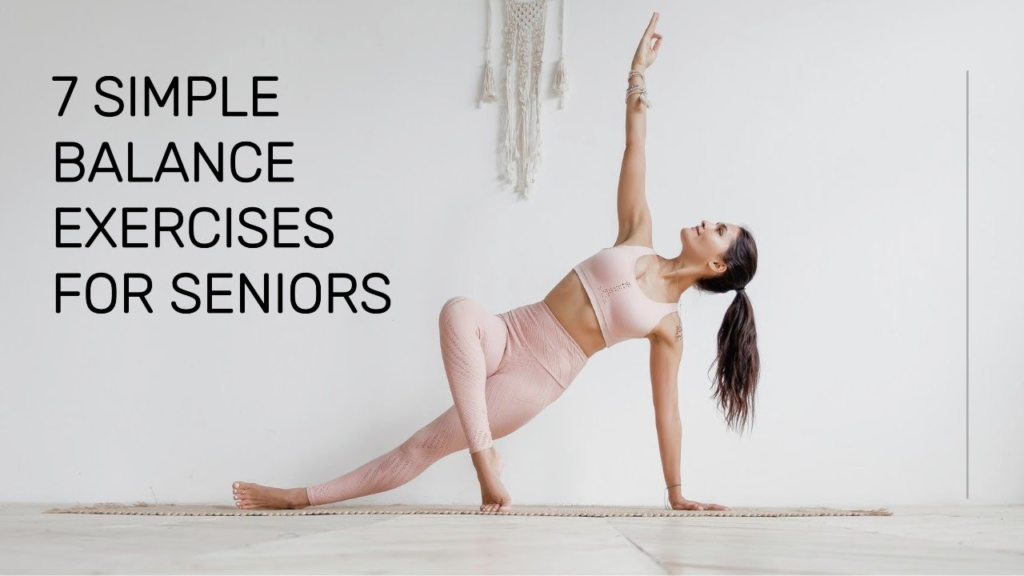
Safe Balance Training Options
Home training can be safe and effective with the following examples.
Examples include:
Single-Leg Stand
Use a sturdy chair for support. Stand on one leg for a few seconds, and then repeat on the other leg.
Heel-to-Toe Walk
This exercise is done by walking in a straight line, with one heel in front of the opposing toe.
Side Leg Raises
While grasping a stable object for support, raise one leg out to the side.
Sit-to-Stand Exercise
Practice standing up from a chair without the support of your hands.
Weight Shifting
Balance is practiced by switching your weight from one foot to the other while maintaining a straight posture.
These exercises improve balance and positive confidence, and help practice coordination.
The Role of Professional Guidance
Some seniors benefit from mobility and health condition focused individualized exercise programs.
geriatric physiotherapy have the training to balance assess and recognize fall risks, and to devise exercise programs specific to what their clients can do.
Professional supervision is most important for seniors who have a history of surgery, illness, and/or falling.
Supporting Mobility and Independence
The biggest reward of consistent balance exercises is having improved mobility. More mobility means that seniors can socialize, exercise, travel, and pursue hobbies more actively.
Retaining independence and more mobility shows positive mental health by decreasing fear of falling and being more active.
Additional Ways to Reduce Fall Risk
Safety and fall prevention goes beyond exercising for seniors. It can be improved by making some more careful health related lifestyle changes.
Helpful measures include:
- Supportive footwear
- Clear walkways
- Grab bars in bathrooms
- Good lighting at home
- Regular vision and hearing check-ups
- Medication Reviews
- Regular Physical Activity
The measures listed above, along with balance exercises for seniors, create a safer living environment.

Who Should Balance Train?
Almost all older adults would benefit from some balance exercises, no matter what level of fitness they have.
The individuals who may benefit most include:
- All adults over 65
- Seniors having previous falls
- Individuals with unsteady walking
- Individuals in recovery from an illness
- Individuals with weakness in the muscles
- Individuals who live alone
Seniors with existing medical conditions should see a qualified healthcare professional before beginning an exercise program.
Safe Balance Training Tips
To have a low risk of injury while balance training, Seniors should:
- Train near a sturdy chair or counter top
- Wear supportive shoes
- Start with small movements
- Don’t rush through exercises
- Stop if you feel pain or start to feel dizzy
- Drink plenty of water
- Only balance train to the extent that balance allows
Safety Is Priority
The truth about Balance Exercises for Seniors: How They Can Help Prevent Falls Conclusion
Seniors do not need to experience falling as they get older. Falls often can be avoided by creating a more active lifestyle. Balance exercises for seniors create stronger muscles, improve coordination as well as stability, and boost self-confidence for all activities. Along with strength training, balance exercises coupled with a safe home and professional help can also take away the fears of falling while also improving quality of life and prolonging the seniors independence. Older adults can experience better self-confidence, more active lives and a greater sense of wellness by incorporating regular balance exercises into their daily lives.
FAQs
1. How Often should Balance Exercises for Seniors be done?
This really depends on the active senior adult’s health and fitness levels and their healthcare provider’s recommendations.
2. Can Balance Exercises Help Prevent Falls?
Absolutely. A reduced risk of falling goes hand-in-hand with improved self-confidence and improved coordination and muscle strength through regular balance exercises.
3. Are Balance Exercises a Good Place to Start for Beginners?
Definitely! Many of these exercises can be simplified and adjusted to be beginner friendly, just make sure to take it slow and use support as needed.
4. When Should Seniors Start Going to Physiotherapy?
A senior needs to go to physiotherapy post falling multiple times, if walking starts to become difficult or if they are recovering from a debilitating illness or surgery.
5. Do Balance Exercises Help with Daily Tasks?
Yes. Better balance directly correlates to improved ease and safety for the all the daily living activities that involve standing, walking, or moving around the home.