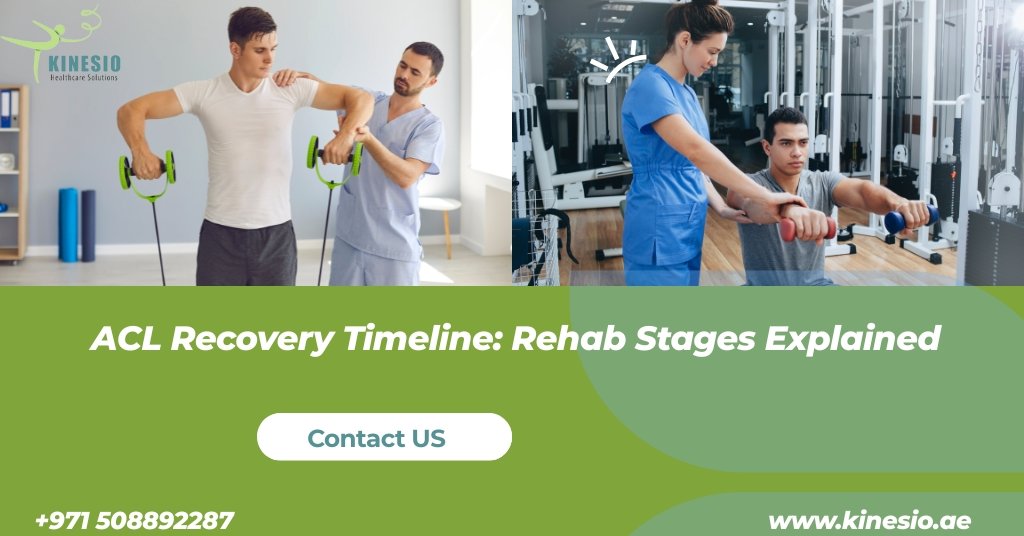
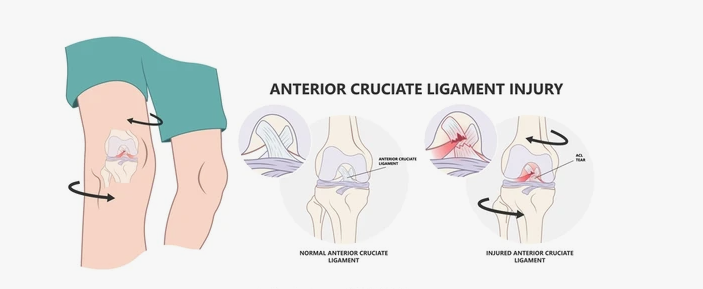
Among knee injuries, an anterior cruciate ligament injury is the one that is most likely to require treatment and cause long-term problems in active patients. Knowing the ACL recovery timeline helps the patients to get ready mentally and physically for the trip that lies ahead of them. The entire recovery period—from the first day after surgery to the final return to full activity—consists of several phases, and each phase has a specific goal.
Following a well-structured rehab program after ACL tear surgery aims at bringing back movement, stability, and confidence while giving priority to the gradual strengthening of the ligament to keep the knee safe for the long term.
Understanding ACL Injuries and Surgical Healing
The ACL rarely tears easily, and there’s a good reason for that: recovering from such an injury takes a long time and demands pain, sweat, and of course the athlete’s patience. But the good thing is if you are patient and consistent, you will be able to regain your strength and function safely.
The ligament is crucial for the knee’s stability during movement, mainly in the case of pivoting and changing directions quickly. When it tears, surgery is often suggested for patients who wish to return to sports or very active lifestyles. The initial recovery timeline after ACL surgery starts right after the operation, when controlling swelling and protecting the joint are priorities.
Phase 1: Protection and Early Motion
Weeks 0–2: Managing Pain and Restoring Movement
The initial stage of the ACL recovery timeline is all about promoting healing and ensuring the joint’s safety. Patients will be given crutches, braces, or other supports while practicing how to move their knees safely. Post-surgery rehabilitation for the ACL tear includes very light and gradual exercises for the range of motion as well as controlled weight bearing. The reduction of swelling and maintaining correct posture while walking are very important objectives during this period.
Phase 2: Muscle Activation and Stability
Weeks 2–6: Building Control and Balance
With the puffiness of the acute-phase injury gone, the ACL recovery timeline moves on to the next phase which is strengthening in a controlled manner. The quadriceps and hamstrings are slowly reactivated to assist the knee in becoming stable. During this phase, ACL recovery timeline introduces balance-based exercises and light resistance training. These activities result in better control and the specific ligament becoming stronger, hence the knee is more capable to take the usual daily loads.
The adherence to this phase will determine the degree of functional recovery in the future.
Phase 3: Strength Development and Endurance
Weeks 6–12: Increasing Functional Capacity
The rehabilitation process for the ACL injury has a timeline of over a year, starting with the very first day after the surgery until the complete recovery of the knee’s function and strength. The first step is the immediate post-surgical period, during which the care team usually sends the patient for physiotherapy to begin range-of-motion activities and exercises early on.
Phase 4: Advanced Movement Training
Months 3–6: Preparing for Return to Activity
After that period, the focus will shift to achieving full knee motion and restoring basic muscle strength. It is very common for patients after the surgery to have their range of motion limited and to experience muscle atrophy in the thigh of the operated leg. To prevent this from happening, for the first week or two, the physiotherapy will include slow rehabilitation exercises targeted only to the part of the leg above the knee joint and at the same time the therapist will apply hot packs on the knee to promote healing. The goal is to have the patient move the knee from day one to day 7 post-op and to make sure that the patient is off crutches by the end of the first week.
Long-Term Recovery and Prevention
Patients who undergo ACL surgery actively follow the ACL recovery timeline and continue their conditioning even after formal rehabilitation ends. Many individuals keep practicing ACL tear surgical rehabilitation to ensure the knee’s health and long-term durability. Compression of ligament strengthening, health of movement patterns, and stretching connect together to support an active lifestyle and reduce a future risk.
Long-term success is dependent on consideration of the whole process and return to high-impact activity being slow and gradual.
Supporting Recovery Through Daily Habits
Lifestyle choices are among the greatest factors that determine the outcome of the recovery process of the knee. A good diet, adequate sleep, and proper awareness of the body are the main factors that make the healing process efficient. Patients should always wear proper support during physical activities and consistently practice the same movement patterns as they did during the structured recovery to strengthen the work done. Easily accessible platforms such as Kinesio ae provide educational guidance that encourages patients to stay proactive about their joint health even after they reach their rehabilitation milestones.
A Confident Return to Movement
ACL surgery recovery is a physical and mental journey. Trusting each healing phase helps to build resilience and success in the long run. If the right approach is used, the persons involved may return to their daily lives and sports activities with confidence and stability. The wellness-centered communities such as Kinesio ae keep reminding of the importance of an informed recovery, patience, and sustainable movement practices for lifelong knee health.