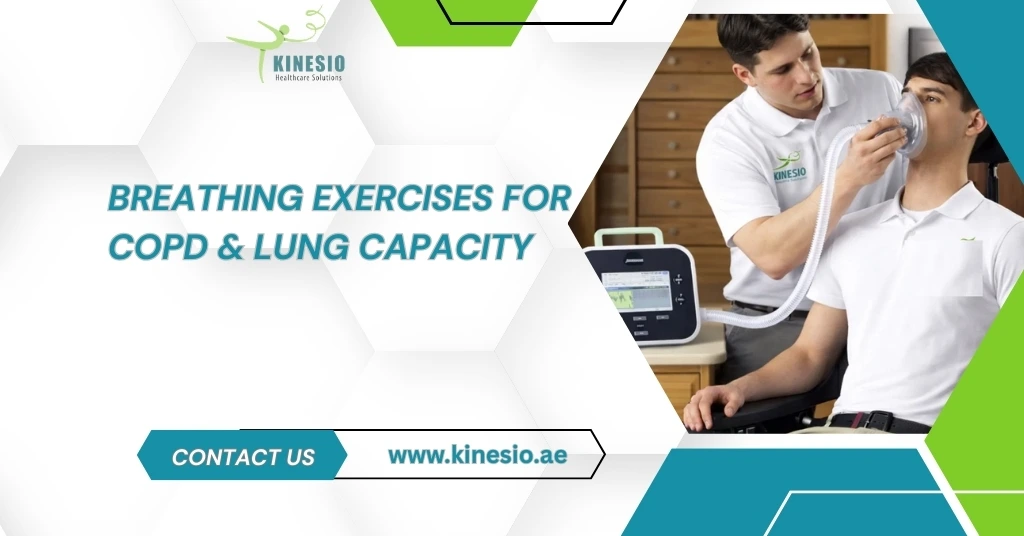
People who have chronic respiratory diseases face difficulties when they attempt to complete their daily tasks. The implementation of structured breathing exercises for COPD patients leads to substantial improvements in their ability to breathe while maintaining better overall respiratory health. These techniques lead to improved oxygen exchange and extended endurance through their consistent practice which results in gradual lung capacity growth. The exercise program with professional cardiopulmonary rehabs enables patients with chronic conditions to achieve their best results while developing their respiratory strength throughout their recovery process.
Understanding COPD and Reduced Lung Function
Chronic Obstructive Pulmonary Disease (COPD) is a progressive lung condition that restricts airflow and makes breathing difficult. The condition typically includes both chronic bronchitis and emphysema. The combination of airway narrowing and lung tissue damage results in decreased oxygen intake and fatigue and shortness of breath. Daily practice of breathing exercises for COPD will help maintain functional abilities while improving control over breathing.
The same methods which doctors use to treat COPD patients also benefit their asthma patients because both conditions share airway inflammation and airflow restriction as common symptoms. The practice of breathing exercises establishes two benefits since it enhances endurance while helping people develop their lung capacity to execute their tasks more effectively.
Why Breathing Exercises Matter
Improved Oxygen Exchange
The primary benefit of breathing exercises for COPD patients enhances their body system oxygen-carbon dioxide exchange process. The practice of controlled breathing patterns provides two advantages because it stops air trapping while it lets lungs release their stored air and receive new oxygen.
Strengthening Respiratory Muscles
People who remain inactive for extended periods or develop chronic illnesses experience a decline in their respiratory muscle strength. The guided sessions of cardiopulmonary rehabilitation programs teach muscle conditioning techniques while participants build strength through their assigned home exercises. Regular exercise sessions lead to measurable improvements in lung capacity which enable participants to breathe more deeply and comfortably.
Reduced Breathlessness
The experience of breathlessness creates anxiety which results in more severe symptoms. Health professionals use structured breathing patterns as a standard treatment method to help patients with asthma and COPD by calming their nervous system and restoring normal breathing patterns.
Most Effective Breathing Techniques
Pursed-Lip Breathing
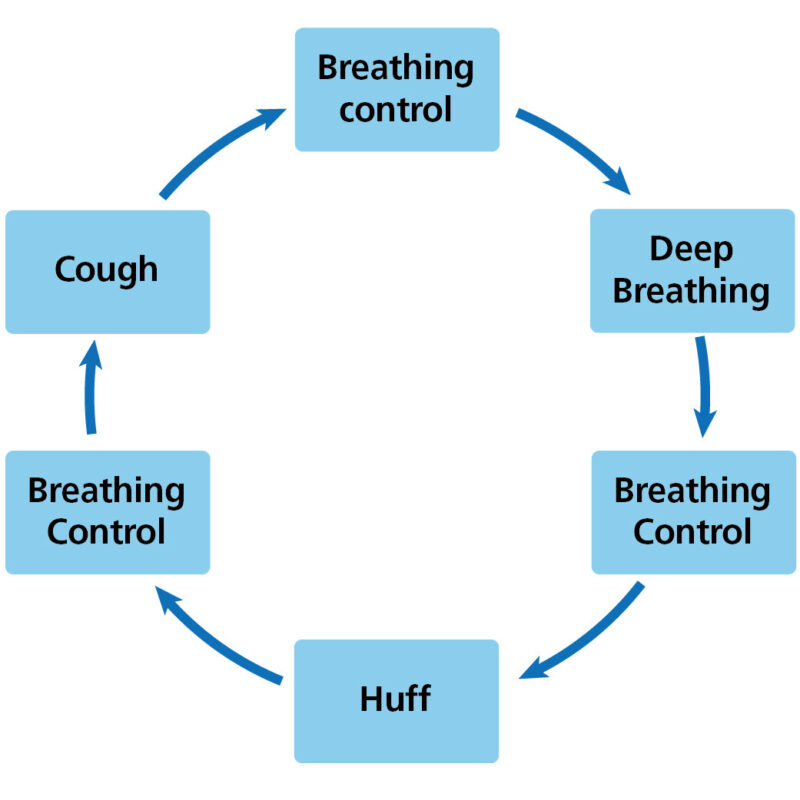
Pursed-lip breathing serves as the most recommended breathing exercise for COPD patients. The technique helps to reduce breathing speed while maintaining open airways for extended periods.
How to do it:
- Inhale slowly through your nose for two seconds.
- Purse your lips as if blowing out a candle.
- Exhale gently for four seconds.
The technique helps patients with shortness of breath while enabling them to build their lung capacity. The method serves as a common teaching resource in cardiopulmonary rehab programs because it helps people manage their asthma symptoms.
Diaphragmatic (Belly) Breathing
Diaphragmatic breathing exercises establish stronger diaphragm muscles which eliminate the need for extra muscle strength during breathing.
Steps:
- Lie down or sit comfortably.
- Place one hand on your chest and the other on your abdomen.
- Inhale through your nose, allowing your abdomen to rise.
- Exhale slowly through pursed lips.
The method needs to be practiced regularly because it helps people breathe better while their lung capacity keeps growing. Multiple cardiopulmonary rehabilitation programs use diaphragmatic training as a fundamental component of their complete recovery approach.
Coordinated Breathing During Activity
People experience more difficulty breathing when they try to move their body. The breathing exercises for COPD patients require them to practice their breathing techniques through active physical activity.
Technique:
Inhale before starting an activity.
Exhale during the most strenuous part (e.g., lifting or climbing).
The method enables easier airflow through the body while decreasing physical stress, which helps people with asthma control their condition and build lung capacity.
Role of Cardiopulmonary Rehabilitation
Structured Support Programs
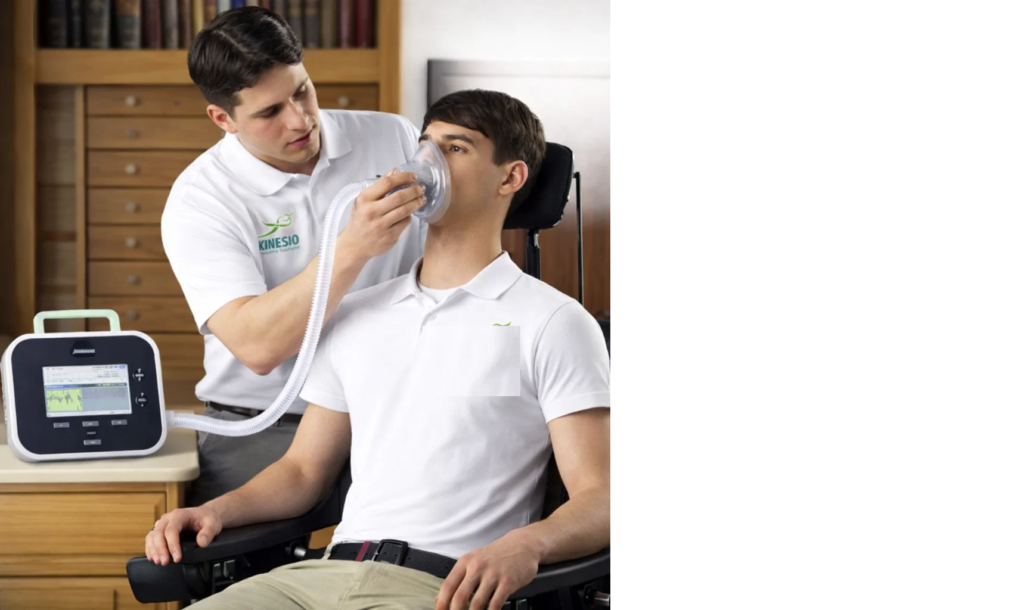
Healthcare professionals operate cardiopulmonary rehabilitation centers which provide structured treatment programs that use breathing exercises and physical activity training and educational content. The programs teach patients how to maintain proper body alignment and develop their body tempo and breathing skills which have been customized to their individual requirements for treating COPD.
Exercise and Monitoring
The monitored exercise sessions lead to enhanced blood flow and improved muscle strength and increased physical endurance. The system uses continuous tracking to maintain user safety while conducting lung function assessments which lead to permanent lung volume growth. The asthma treatment programs provide two programs that work together to treat patients who show multiple breathing issues.
Additional Strategies for Lung Capacity Improvement
Postural Awareness
Good posture allows the lungs to expand fully. Sitting upright with relaxed shoulders enhances airflow and supports effective breathing exercises for COPD.
Gentle Aerobic Activity
The activities of walking and cycling and light swimming. The activities create significant enhancements to endurance which lead to measurable improvements in lung capacity when they are used together with cardiopulmonary rehabilitation programs.
Hydration and Air Quality
Hydration maintains mucus at a thin state which makes it easier to remove from the body. The presence of clean indoor air decreases irritation symptoms which plays a vital role in medical treatment for both COPD and asthma.
Daily Routine for Better Results
Consistency is key. Practicing breathing exercises for COPD at least two to three times daily can improve respiratory efficiency. Morning sessions prepare the lungs for daily activities, while evening practice promotes relaxation and symptom control.
Many patients participating in cardiopulmonary rehabs report improved stamina within weeks. With time, consistent practice leads to sustained lung capacity improvement, reducing hospital visits and enhancing overall quality of life. The same techniques strengthen control in asthma management, supporting smoother breathing patterns during flare-ups.
Monitoring Progress and Staying Motivated
Tracking breathing duration, activity tolerance, and symptom frequency helps measure improvement. Individuals often notice reduced fatigue and increased walking distance after committing to regular breathing exercises for COPD.
Healthcare providers involved in cardiopulmonary rehabs may use spirometry or endurance tests to assess lung capacity improvement over time. These measurable gains reinforce motivation and encourage continued participation in breathing programs.
Professional Support and Advanced Care
For individuals seeking guided respiratory care, specialized therapy programs can offer structured breathing sessions combined with physical rehabilitation. Facilities equipped with trained professionals can tailor programs that integrate breathing exercises for COPD, targeted endurance training, and advanced asthma management techniques.
Kinesio ae supports respiratory wellness programs designed to enhance breathing efficiency and mobility. Through personalized sessions, patients benefit from safe, progressive cardiopulmonary rehabs that focus on sustainable lung capacity improvement.