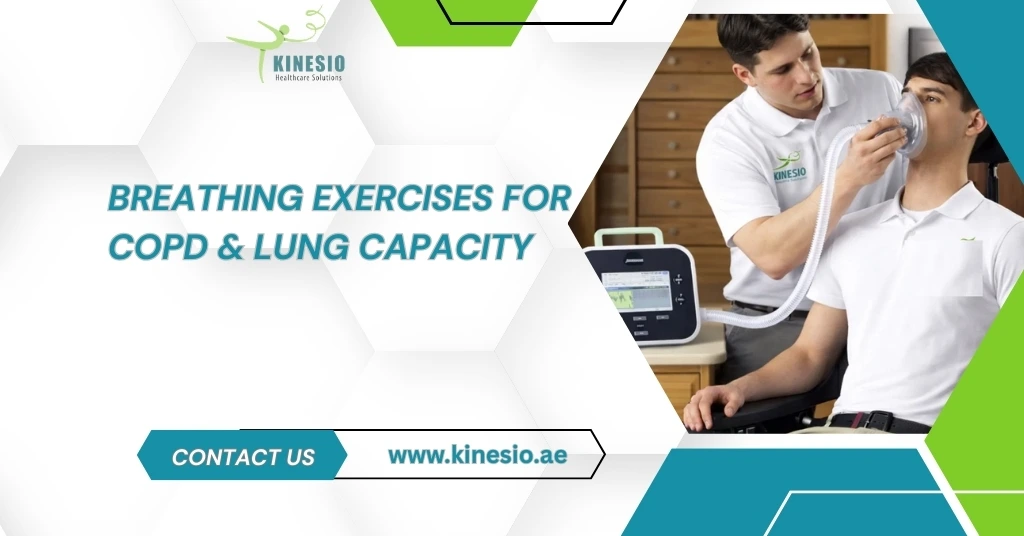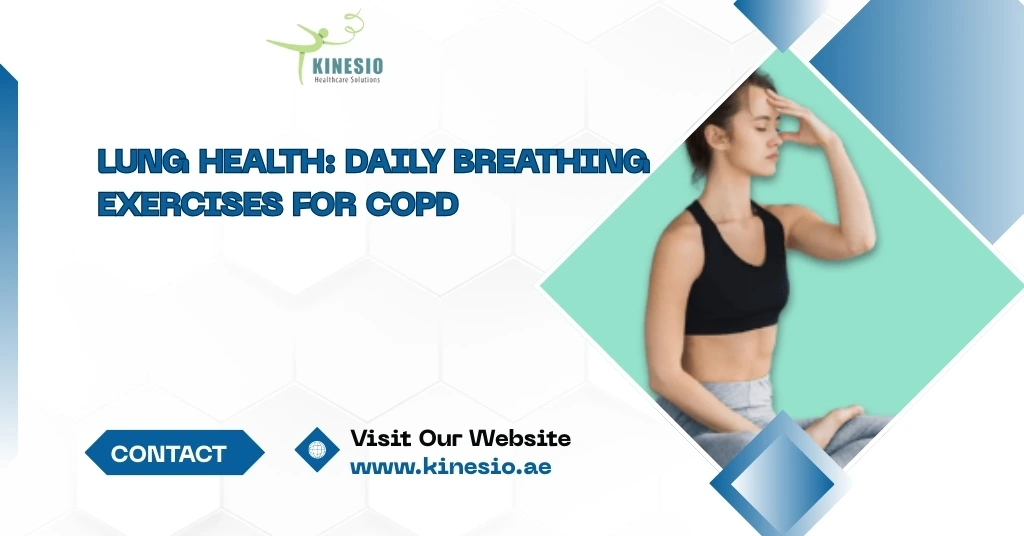
Chronic lung disease obstructs all routine tasks which become too difficult to handle. The symptoms of shortness of breath and chest tightness together with fatigue make it impossible for patients to maintain their confidence. The good news is that through dedicated daily activities people can achieve significant results. A structured routine of breathing exercises for COPD can support overall lung function, complement cardiopulmonary rehab, encourage steady lung capacity improvement, and even play a supportive role in asthma management. The correct application of these techniques enables better lung function while decreasing the burden on the respiratory system.
Understanding the Importance of Daily Breathing Practice
Chronic obstructive pulmonary disease affects airflow and makes it difficult to fully empty the lungs. The body experiences discomfort because trapped air in the lungs creates a restriction that prevents people from exercising. The purpose of daily breathing routines is to reduce breathing speed which leads to better oxygen intake and decreased anxiety during episodes of breathlessness. Many pulmonary specialists recommend combining breathing exercises for COPD with supervised cardiopulmonary rehab programs for better long-term outcomes. Breathing exercises which patients perform consistently help them control their symptoms while building their lung capacity through respiratory muscle improvement.
Core Breathing Exercises for Stronger Lungs
Pursed-Lip Breathing
Pursed-lip breathing is the breathing exercise which health professionals most frequently recommend to treat COPD. The process requires inhaling through the nose while exhaling through lips that remain slightly closed. The method enables airways to remain open for extended periods which results in increased stale air removal from the lungs. The majority of participants who attend cardiopulmonary rehabilitation programs complete this exercise on a daily basis because it enables them to manage their breathing difficulties which occur during physical activity.
Through continuous practice of pursed-lip breathing people achieve gradual lung capacity increases which assist with asthma control during mild shortness of breath situations.
Diaphragmatic (Belly) Breathing
Diaphragmatic breathing focuses on using the diaphragm instead of the chest muscles. This method reduces energy use while breathing and increases oxygen intake. The exercise serves as the best treatment for COPD because physicians prescribe it to patients during initial stages of their cardiopulmonary rehabilitation program.
Through practice of diaphragmatic breathing people develop both their lung capacity and body awareness which enables them to manage their asthma symptoms during times of breathing difficulty when they need to stay composed.
Building a Daily Routine That Lasts
The daily practice of short focused sessions provides better results than the practice of extended sessions. Healthcare providers recommend that patients with breathing exercises for COPDs together with gentle stretching or walking during their structured cardiopulmonary rehab program. The combination of these two elements helps to develop endurance while keeping the lungs safe from excessive strain.
Patients receive motivation through their progress tracking. The ability to breathe better leads to daily improvements in lung capacity which include walking longer distances and taking fewer rest breaks. These advantages help people with asthma maintain their condition by establishing better respiratory control which serves as their foundation.
Lifestyle Habits That Support Breathing Exercises
People achieve optimal breathing results through the combination of breathing routines and their existing healthy habits. Staying hydrated helps keep mucus thin which makes breathing easier for people. Proper body alignment enables complete lung expansion during COPD breathing exercises. People who sleep adequately while controlling their stress levels achieve better results from their cardiopulmonary rehabilitation programs.
Lung capacity improvement and effective asthma management depend on the prevention of smoke pollution and allergen exposure. The controlled environment makes breathing techniques easier to use while providing greater comfort for users.
Using Kinesio Techniques for Better Breathing Awareness
Therapists have begun using Kinesio methods as a respiratory training tool during the past few years. When a trained professional applies Kinesio taping, it delivers gentle sensory feedback to the chest and upper back. The feedback helps people with COPD practice breathing exercises by improving their body awareness and posture evaluation skills. Kinesio techniques help patients with their breathing patterns while their lung capacity development progresses through their cardiopulmonary rehabilitation program.
Kinesio Support as Part of Long-Term Lung Care
While Kinesio approaches are not a replacement for medical treatment, they can be a helpful addition for some individuals. When combined with regular practice and professional guidance, they may enhance comfort and confidence during daily routines. This added awareness can also be useful in asthma management, helping individuals recognize and respond to early breathing changes. Paired thoughtfully with breathing exercises for COPD and a structured cardiopulmonary rehab program, Kinesio techniques can become part of a well-rounded approach to lasting lung capacity improvement.
By committing to daily breathing practice and supportive therapies, people living with chronic lung conditions can take meaningful steps toward better breathing, greater independence, and improved quality of life.
FAQS
What are breathing exercises for COPD?
They are techniques designed to improve lung capacity, ease shortness of breath, and enhance overall respiratory efficiency.
How often should I do these exercises?
Daily practice, typically 5–10 minutes, is recommended, but always follow your doctor’s guidance for intensity and frequency.
Are these exercises safe for all COPD stages?
Most mild to moderate COPD patients can benefit, but severe cases should consult a healthcare professional before starting.
Which breathing techniques are most effective?
Common methods include pursed-lip breathing, diaphragmatic (belly) breathing, and controlled deep breathing.
Can these exercises replace medication or therapy?
No, they complement medical treatment and pulmonary rehabilitation but do not replace prescribed medications or therapies.