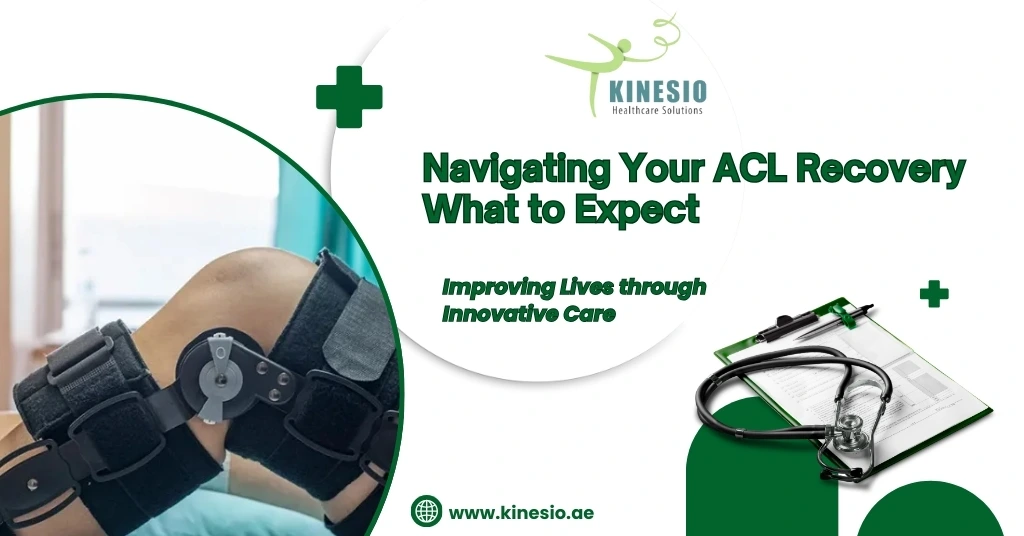
The process of recovering from an ACL injury can be really daunting, especially when the future is uncertain. However, by understanding the healing process, setting realistic expectations, and following a proper plan, the recovery can be smoother and more successful. This guide is designed to lead you through the different stages of healing so you will be able to reclaim your confidence, strength, and mobility safely.
Understanding an ACL Injury
The ACL (anterior cruciate ligament) is very important for the stability of the knee joint during the movements. Ruptures happen mostly in sports due to sudden stops, twisting or losing balance. After the injury many people have to go through surgery first and then follow the rehabilitation program.
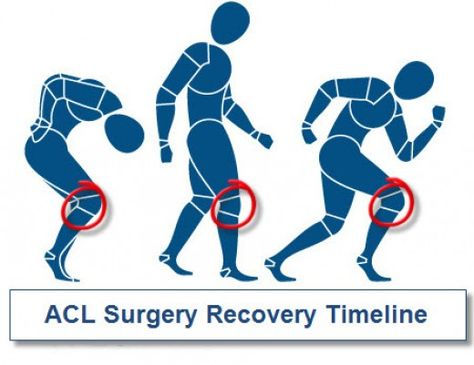
A very good knowledge of the ACL recovery timeline allows patients to prepare themselves mentally and physically for the journey ahead. In spite of the fact that healing differs from one individual to another, the majority of recovery adheres to the same pattern of stages.
The First Phase: Surgery and Early Healing
What Happens After Surgery?
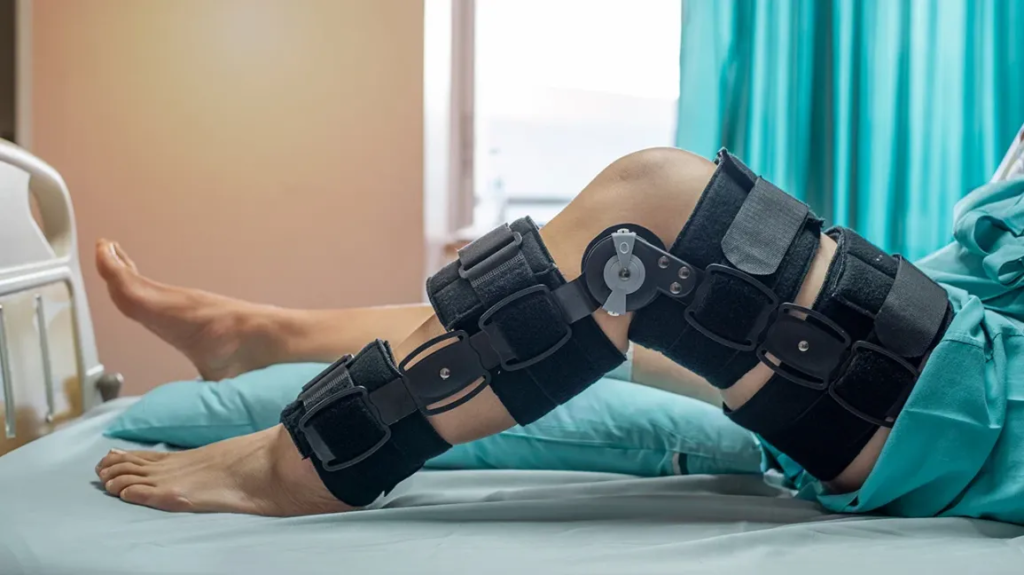
For a lot of patients, the first move towards healing is reconstruction surgery. Pain management, swelling control, and basic knee motion restoration are the main objectives of the rehabilitation process during the first weeks after an ACL tear surgery. The use of crutches and braces may be required during this period.
At this phase, the ACL recovery timeline points out the importance of protection. Premature loading of the knee can not only slow down the healing process but also raise the risk of another injury. The very first gentle movements are performed to engage the muscles and lessen the stiffness.
Building Strength and Stability
Why Strength Matters
When the swelling subsides, it is time to concentrate on the ligaments’ strength and the joint stability increasing. Increasing the strength of the surrounding muscles, especially the quadriceps and hamstrings, helps the knee during the healing of the graft.
This period of rehab after surgery for ACL tear includes controlled movement, balance exercises, and progressive resistance training. Patients usually feel stronger but they have to respect the ACL recovery timetable in order not to experience setbacks.
Regaining Functional Movement
Transitioning to Advanced Exercises
When basic strength is regained, therapy turns into a more lively process. This stage emphasizes the three aspects of movement: coordination, agility, and impact in control. Progressive ligament strengthening is the pathway of knee getting ready for everyday activities like running, jumping, and changing direction which are not done in a straight manner.
The therapists help with the patient’s recovery after ACL tear surgery, by monitoring the progress very carefully and making certain that the milestones coincide with the anticipated ACL recovery period. Patience continues to be a key factor, even when the knee feels robust.
Mental Readiness and Confidence
The Psychological Side of Healing
Only physical healing is a segment of the whole process of recovery. Fear of getting injured again can hold someone back and negatively affect their performance. Gradually strengthening the ligament builds trust in the knee, restoring confidence.
The mind being ready is an important factor for making the decision to return to the sport. Athletes who honor the ACL recovery schedule and go through the entire rehabilitation programs after ACL tear surgery are the ones who have a higher chance of getting back to their pre-injury performance levels.
Preparing to Return to Activity
When Is It Safe?
The decision to go back to sport will depend on strength testing, quality of movement, and confidence, not just time. Generally, people get to this stage between 9 and 12 months, according to their ACL recovery process.
During this period, advanced ligament strengthening and sport-specific drills are the main components of ACL tear surgery rehab sessions. It increases the probability of reinjury as well as protracts a successful return to sport if one goes through the rehab process quickly.
Long-Term Knee Health and Injury Prevention
Staying Strong After Rehab
Even after formal rehab ends, maintaining knee strength remains essential. Continued ligament strengthening supports long-term joint health and helps protect your progress. Many athletes who successfully return to sport continue structured training well beyond the official ACL recovery timeline. Ongoing care ensures durability, performance, and confidence.
Supportive Tools During Final Recovery
As you near the end of your ACL recovery timeline, additional support methods may be introduced. Some individuals use bracing or taping techniques to enhance proprioception and comfort during training. When applied correctly, Kinesio ae may assist with movement awareness while continuing advanced ligament strengthening exercises. These tools should complement—not replace—proper conditioning and ACL tear surgery rehab protocols.
In the final stage before full return to sport, attention to detail matters. Monitoring fatigue, maintaining strength symmetry, and using supportive methods like Kinesio ae can help athletes transition confidently. Respecting the full ACL recovery timeline ensures that your body is truly prepared for the demands of competition and long-term success.
FAQS
How long does ACL recovery usually take?
Full recovery after ACL surgery typically takes 6–9 months, though some athletes may need up to 12 months to return to competitive sports.
When can I walk after ACL surgery?
Most patients can walk with crutches within a few days and gradually transition to normal walking within 2–6 weeks, depending on healing and rehab progress.
When can I start physical therapy after ACL surgery?
Physical therapy usually begins within the first week after surgery to restore knee motion, reduce swelling, and strengthen surrounding muscles.
When can I return to sports after an ACL injury?
Low-impact activities may resume around 3–4 months, while high-impact sports like soccer or basketball typically require 9–12 months of recovery and rehab.
What factors affect ACL recovery time?
Recovery depends on age, fitness level, rehabilitation consistency, surgical technique, and whether other knee injuries occurred with the ACL tear.