Having to deal with constant back pain can gradually and silently deplete your energy, concentration, and even your mood. Chronic back pain is not only a physical problem; it usually affects all aspects of life: work, sleep, and the general quality of life. Knowing the reasons behind the pain and the available treatments can give you back a feeling of control. It is a matter of understanding chronic back pain, developing useful habits, and getting the right help from a professional to make the possibility of long-term relief more realistic.
What Is Chronic Back Pain?
Causes of chronic back pain is usually described as pain that continues for three months or more. In contrast to acute pain, which often goes away as the tissues heal, chronic pain is more likely to stay or come back again and again. It can be either dull and steady or sharp and erratic. If one knows the reasons for chronic back pain early, it will be possible to avoid short-term discomfort becoming a long-term condition.
Common Causes Behind Ongoing Back Pain
Structural and Physical Factors
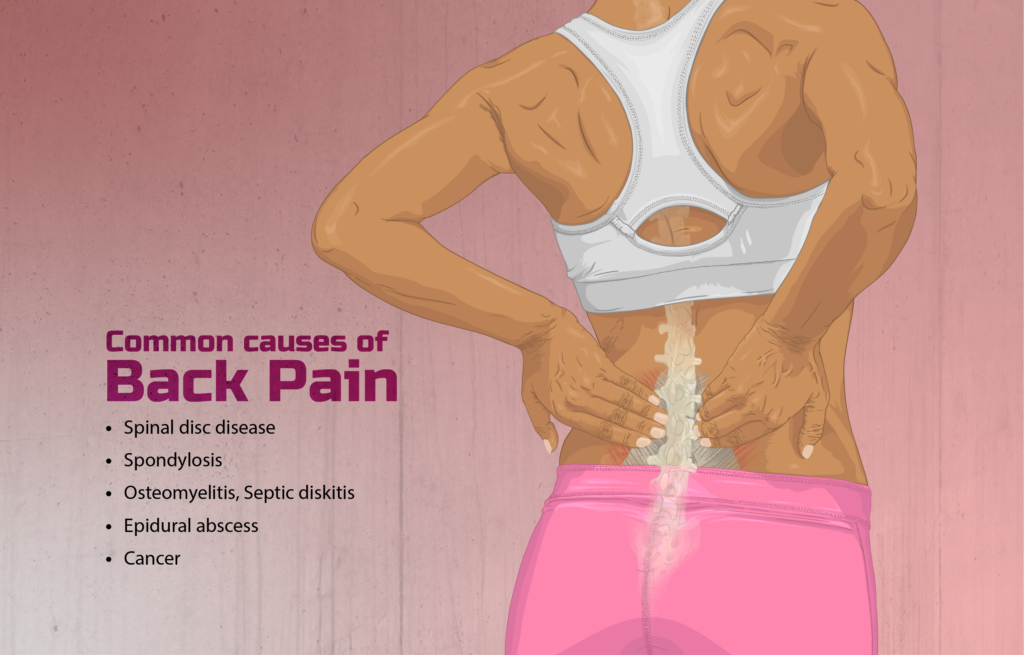
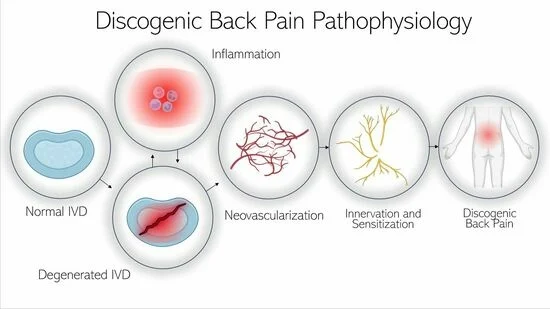
The major contributor to chronic back pain is structural issues that include disc degeneration, herniated discs, spinal stenosis, or arthritis. Over a long period of time, bad posture can also lead to muscle and ligament strain, resulting in imbalance and pain. In some cases, injuries may have healed incorrectly and still be causing discomfort in daily movements.
Lifestyle and Work-Related Triggers
Daily habits form another group of causes of chronic back pain. Sitting for long hours, lifting repetitively, lack of exercising, and weak core muscles are all contributing factors. On top of that, stress and poor sleep can lead to muscle tension, thus making the discomfort worse and prolonging recovery. Therefore, it is important to identify and eliminate these triggers in order to achieve long-term improvement.
The Role of Lifestyle in Pain Control
Building Healthier Daily Habits
The management of pain through lifestyle choices that are the most effective places emphasis on minor yet steady modifications. Walking or swimming, for example, which are regarded as low-impact exercises, not only improve blood circulation but also keep muscles warm and supple. Besides, being overweight puts extra pressure on the spine, while ergonomic furniture and layouts at the workplace help in reducing the tension caused by bad posture and work design. Slowly but surely, these changes are making lifestyle pain management a very powerful tool that is not only a temporary solution.
Mind, Movement, and Recovery
The management of stress is yet another support and foundation of lifestyle pain control. Breathing exercises, slow stretching, and meditation are some of the ways that can help lower muscle guarding and tension. Tissues have a chance to recover during sleep, which in turn helps the body’s natural healing processes. After all, a good sleep is vital for the effectiveness of the lifestyle pain management techniques if they are to be of any help in the form of reducing the number of flare-ups.
Treatment Options for Persistent Pain
Medical and Therapeutic Approaches
The selection of the most suitable persistent pain treatment is dependent on the root cause of the pain. Possible treatments are physical therapy, specific exercises, manual therapy, and sometimes medication if required. In certain situations, injections or advanced interventions may be an option, however, conservative persistent pain treatment is often effective when properly customized.
Why Individualized Care Matters
Each person has a different pain perception, hence the reason personalized persistent pain treatment plans are the most effective. A program that takes into account one’s posture, movement habits, and daily requirements is more likely to provide lasting results. Loyalty and expert support are the essentials of successful persistent pain treatment results.
The Importance of Professional Assessment
Understanding the Root Cause
A complete physiotherapy assessment is instrumental in revealing the pain-causing factors like restricted movement, faulty muscle coordination, and improper body mechanics. A detailed physio assessment does not just focus on pain-related symptoms but instead examines the body’s overall function. The resulting insight opens the door to more precise and powerful treatment.
Guiding Safe Progression
Through consistent physiotherapy assessment, not only can the progress be observed but also the exercises modified according to the patient’s increasing strength and mobility. This not only minimizes the possibility of Re-injury but also helps keep the recovery process going smoothly. For a lot of individuals, the continuous physiotherapy assessment is the connection between chronic pain and the full range of motion.
Supportive Tools for Recovery
In the later stages of rehabilitation, supportive techniques can enhance results. Based on findings from a physio assessment, therapists may introduce tools like Kinesio taping to support muscles and joints without limiting movement. Kinesio tape can improve body awareness, reduce strain during activity, and complement exercise programs. When combined with lifestyle pain management, it often helps people stay active with less discomfort.
In the final phase of care, Kinesio taping may be used alongside advanced exercises and education. As part of a broader persistent pain treatment approach, it supports correct movement patterns while the body adapts. Addressing remaining causes of chronic back pain through guided exercise and ongoing lifestyle pain management helps create lasting change rather than short-term relief.