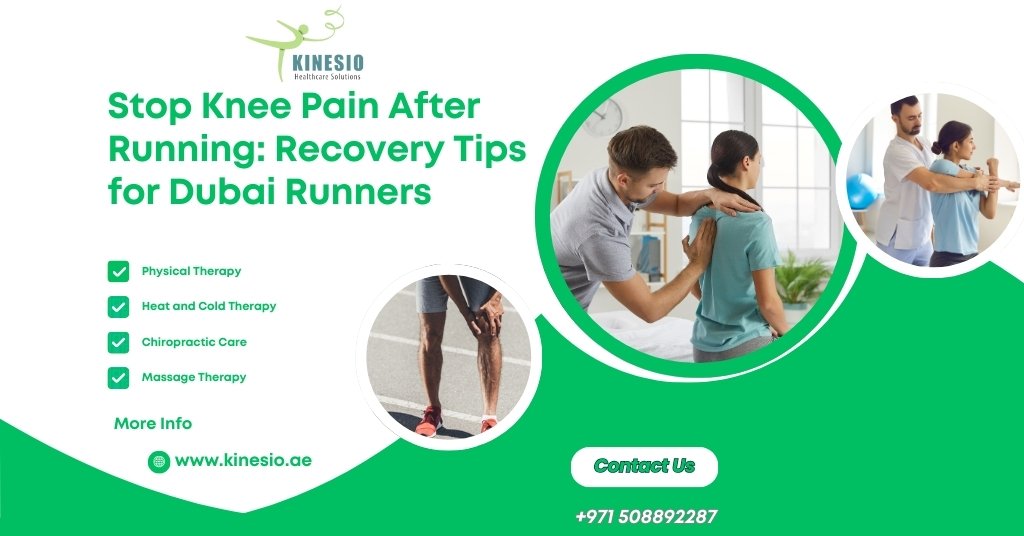
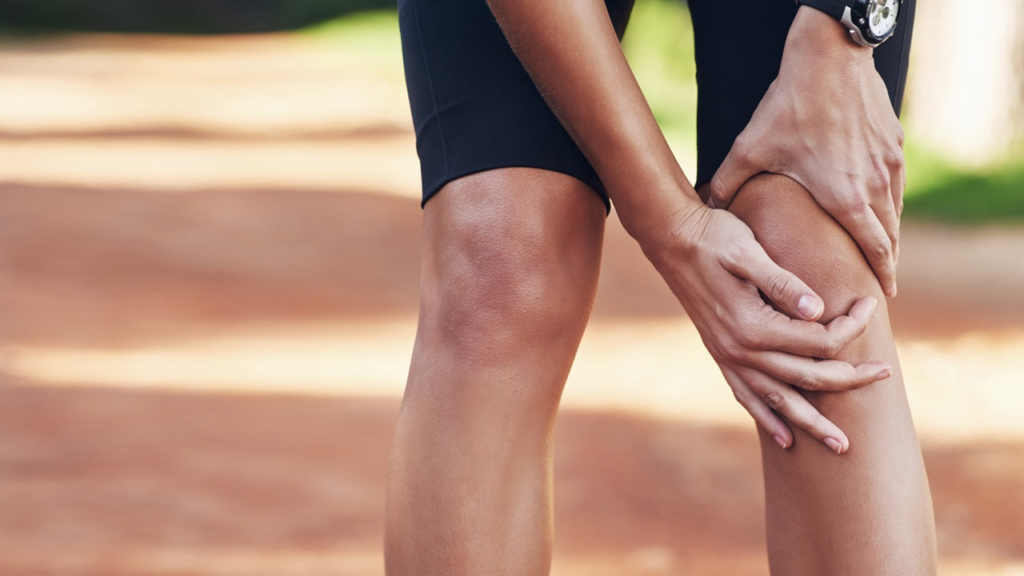
Running in Dubai’s beaches, trails, and city walkways can be such a motivating experience, still the heat, hard substrates, and the intensity of the training can be very demanding on your knees. It’s pretty common for the athletes to start feeling mild discomfort and soon becoming a bother. One way to ensure living a life without the stinging discomfort which may make you inactive especially in the harsh climate of Dubai is by knowing the reasons why knee pain after running occurs and how to manage it.
Why Runners in Dubai Experience Knee Issues
Dubai runners usually train on roads, concrete promenades, or treadmills, all of which increase joint impact. High temperatures, dehydration, and muscle fatigue further contribute to this stress, and together these factors can lead to knee pain after running when runners do not follow proper recovery practices. Overtraining, inadequate footwear, and sudden increase in miles will also be knee stress contributors.
Common Causes of Knee Discomfort
Runner’s Knee (Patellofemoral Pain Syndrome)
Athletes often experience runner’s knee as a highly prevalent condition. The treatment of runner’s knee that is effective will concentrate on soothing the inflammation, strengthening excellent muscle relations, and mending the movements. However, if the treatment is not started early, pain may escalate and in the long run affect performance negatively.
Iliotibial Band Problems
Pain due to IT band becomes noticeable among distance runners or those practicing on inclined surfaces. The iliotibial band that is located at the outer side of the thigh may get so tight that it leads to friction at the knee. Such pain in the IT band area if neglected can turn to agonizing pain on the outer knee during and post-run.
Poor Running Mechanics
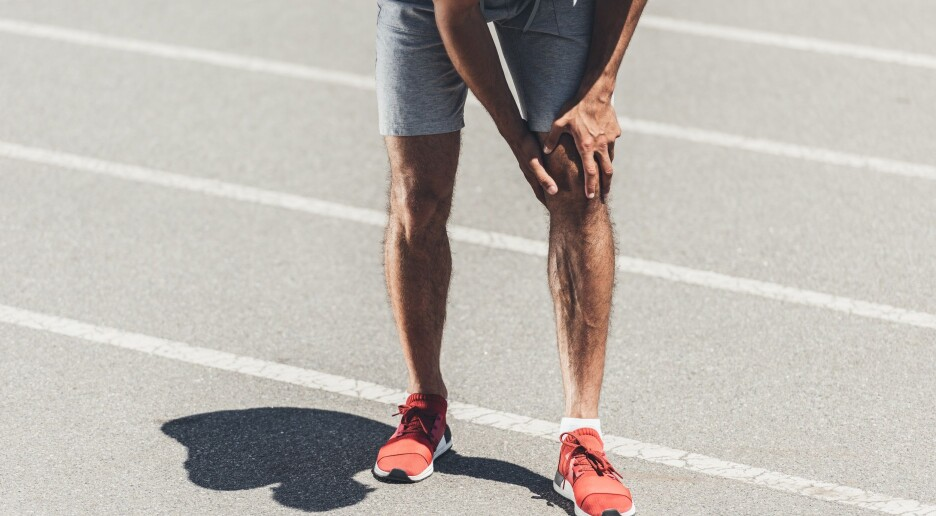
The way you run has a significant impact on the health of your joints. Overstriding, heel striking, or poor posture can make the knee absorb more impact forces. By perfecting your running technique, the load is spread out more evenly and hence the resulting strain, which causes knee pain after running, is greatly reduced.
Recovery Tips for Knee Health
Prioritize Proper Warm-Up and Cool-Down
Dynamic warm-ups are the ways to go if one wants to get a muscle and joint comfortable and ready for the activity, whereas cool-down stretches are the ways to go for reeling out the stiffness. Definitely, stretching of the quadriceps, hamstrings, calves, and hips is the prime activity that one has to include in his or her routine to get rid of IT band pain and thus support the health of the joints in the long run.
Strengthen Supporting Muscles
Deteriorated condition of hips and glutes can, as a consequence, cause stress to be shifted to the knees. The first thing in the treatment of a runner’s knee is strength training which also contributes to the stabilizing of the knee joint. Integrating squats, lunges, and resistance band exercises in one’s training not only provides better alignment but also helps in experiencing less pain in the knee after running.
Improve Your Running Form
In-depth analysis of one’s running technique, together with necessary modifications, can cut down the injury risk to a significant extent. A shorter stride, an upright posture, and a faster cadence can all together result in less impact on the knees. Constant attention to running technique is a must for runners training in Dubai regularly.
Smart Training Strategies in Dubai
Manage Training Load
Distance and intensity should be increased gradually so that your body can get used to it. A sudden change in the running routine can provoke IT band pain or the re-occurrence of knee pain. Stress fractures in the knees and follow-through with a structured schedule inclusive of rest days are very important for recovery.
Choose the Right Footwear
Properly cushioned and supportive shoes, made to match your foot type, help reduce stress on the knees. Old shoes may affect your running style and thus the risk of injury will increase. Regularly changing shoes will not only support but also make it easier to treat and prevent runner’s knee.
Hydration and Recovery
Muscle dehydration causes fatigue and this in turn can lead to instability of the joints. Sufficient water intake during the day together with the replenishing of electrolytes will not only make the muscles recover faster but also keep the risk of knee pain after running down especially in the heat of Dubai.
When to Seek Professional Help
Don’t neglect persistent pain. Sports rehab professionals can appraise movement, flexibility, and strength to uncover the reason behind the pain. Treatment plans for runner’s knee focus on specific issues and often incorporate physiotherapy, manual therapy, and corrective exercises to alleviate IT band pain and correct biomechanics.
Advanced Support and Taping Techniques
In the final stages of recovery, supportive taping methods can be beneficial. Clinics in Dubai increasingly use Kinesio ae taping to support muscles and joints without restricting movement. This method can help reduce swelling and improve proprioception, supporting better running technique during training and recovery.
Kinesio ae taping is often combined with exercise-based rehabilitation for long-term results. When used correctly, it can complement a runner’s knee treatment by providing stability and comfort, allowing runners to return to activity with confidence while minimizing knee pain after running.
FAQS
Why does my knee hurt after running?
Knee pain can result from overuse, poor running form, weak muscles, or conditions like runner’s knee or patellar tendonitis. Rest, strengthening, and proper shoes help.
How long should I rest if my knee hurts?
Mild knee pain may improve with 1–2 days of rest. Persistent pain requires longer recovery and evaluation by a doctor or physical therapist to prevent worsening.
Can stretching prevent knee pain while running?
Stretching before and after running improves flexibility and reduces strain on knees. Focus on quads, hamstrings, calves, and hip muscles to support proper alignment.
Do I need knee braces or supports for running?
Knee braces can help stabilize and reduce discomfort for some runners, but they don’t fix underlying issues. Strengthening muscles and adjusting running habits is more effective long-term.
When should I see a doctor for knee pain?
Seek medical advice if pain persists, worsens, or comes with swelling, locking, or instability. Early diagnosis prevents chronic injuries and allows proper treatment.
FAQS
1. Why are balance exercises important for seniors?
Balance exercises strengthen muscles and improve coordination, reducing the risk of falls and helping seniors maintain independence and mobility.
2. What are some simple balance exercises for seniors?
Heel-to-toe walking, standing on one leg, and chair rises are effective, low-risk exercises that improve stability and confidence in daily movements.
3. How often should seniors do balance exercises?
Aim for at least 10–15 minutes daily or 3–5 times per week. Consistency helps maintain strength, coordination, and overall fall prevention.
4. Can balance exercises prevent serious injuries from falls?
Yes. Regular practice enhances stability and reflexes, lowering the chance of slips, fractures, and other fall-related injuries.