Most of us view our bodies like a car. We expect it to run smoothly until a light flashes on the dashboard. Perhaps you felt a sharp twinge in your lower back while lifting a grocery bag. Maybe your knee began to ache during your morning jog. When these mechanical failures happen, we often look for a quick fix. We want a pill or a surgery to make the pain vanish.
However, the human body is not a static machine. It is a living, breathing system of interconnected parts. This is where physiotherapy enters the picture. It is a clinical health profession that focuses on movement. It treats the body as a whole rather than a collection of isolated symptoms.
But what does a session actually look like? To understand physiotherapy, we must look past the massage tables and the exercise bands. We must see it as a partnership between a clinician and a patient to restore the body’s natural rhythm.
The Core Philosophy: Movement Is Medicine
At its heart, physiotherapy is about restoring function. A physiotherapist is a movement specialist. They look at how your muscles, joints, and nerves work together. When one part of the system fails, the rest of the body tries to compensate. This compensation often leads to further injury and chronic pain.
Physiotherapists do not just treat the spot that hurts. Instead, they look for the source of the dysfunction. For example, your elbow might hurt, but the real issue could be how you move your shoulder. By addressing the root cause, we ensure that the healing is permanent rather than temporary.
The Assessment: Solving the Physical Puzzle
Every physiotherapy journey begins with a conversation. The therapist will ask about your history and your goals. Do you want to run a marathon? Or do you simply want to pick up your grandchild without pain?
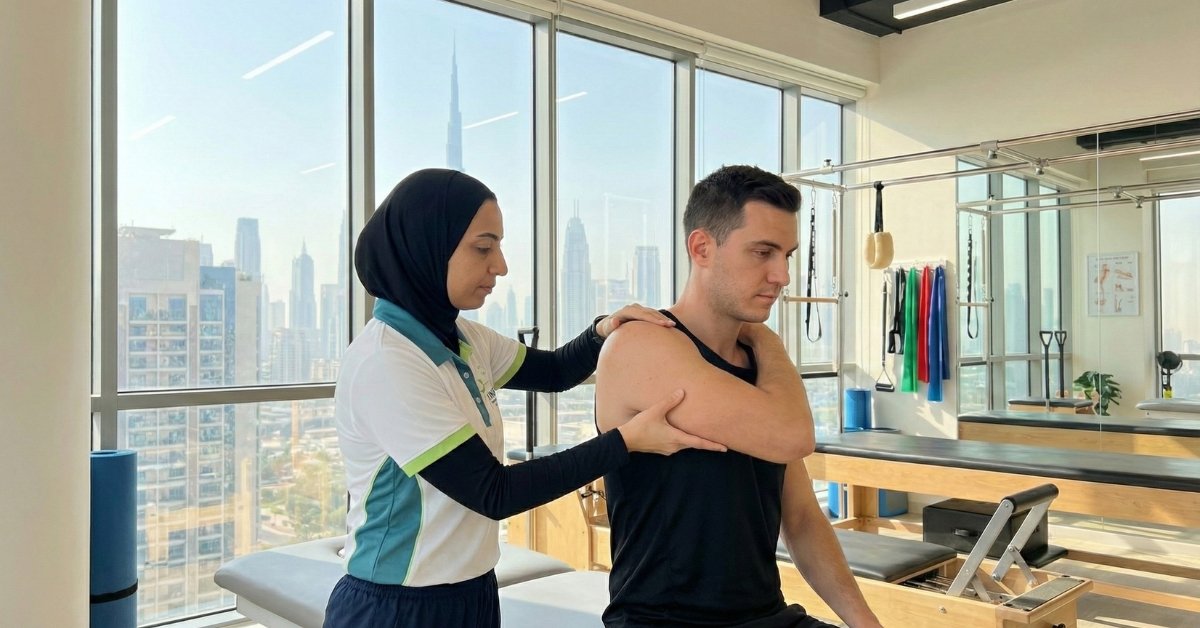
Next comes the physical examination. The therapist observes how you sit, stand, and move. They measure your strength and your range of motion. They might gently press on certain tissues to check for tension or swelling. This assessment allows the therapist to create a roadmap tailored specifically to your unique anatomy.
Manual Therapy: The Power of Hands-On Care
One of the most common tools in a physiotherapist’s kit is manual therapy. This includes techniques like joint mobilization and soft tissue massage. These are not just for relaxation.
When a joint is stiff, the therapist uses precise, controlled movements to wiggle it back into its proper range. This increases the flow of synovial fluid, which acts as the body’s natural lubricant. For muscles, manual therapy helps break down scar tissue and improve blood flow. It is a physical “nudge” to the body that tells the tissues it is safe to move again.
Exercise Prescription: Training for Life
If manual therapy is the “nudge,” then exercise is the “engine.” A significant part of physiotherapy happens when you leave the clinic. Your therapist will design a program of specific movements to strengthen weak areas and stretch tight ones.
These are not generic gym exercises. They are clinical interventions. For instance, if you have chronic back pain, you might work on “core stability.” This does not mean doing a hundred sit-ups. Instead, it involves learning to engage the tiny, deep muscles that protect your spine. These exercises recalibrate your nervous system and build the resilience you need for daily life.
Education: The Patient as a Partner
Perhaps the most important part of physiotherapy is education. A good therapist explains what is happening inside your body. They help you understand why a certain movement causes pain and how you can change your habits to fix it.
Knowledge is a powerful tool against pain. When you understand your injury, you feel less afraid of it. You learn how to sit at your desk without straining your neck. You learn how to lift heavy objects using your legs. This shift in perspective turns you from a passive recipient of care into an active participant in your own recovery.
Who Can Benefit from Physiotherapy?
Many people believe physiotherapy is only for athletes or people recovering from major surgery. While it is vital for those groups, its reach is much broader. It can help with a wide variety of conditions:
- Neurological Issues: Helping people with Parkinson’s or stroke survivors regain their balance and coordination.
- Chronic Conditions: Managing the stiffness and pain associated with arthritis or fibromyalgia.
- Cardiovascular Health: Assisting patients in recovering their stamina after a heart attack.
- Pediatric Care: Helping children reach their developmental milestones or manage congenital conditions.
Whether you are dealing with a “frozen” shoulder or the long-term effects of a sedentary job, physiotherapy provides a path forward.
What to Expect in Your First Session
You do not need to be in peak physical condition to start. In fact, most people start when they feel at their worst. You should wear comfortable clothing that allows you to move freely.
During the first session, your therapist will focus on making a diagnosis. They will explain their findings and tell you how many sessions you might need. You might feel a little tired or sore after the first few visits. This is normal. Your body is learning new ways to move, and that takes energy.
The Long-Term Goal: Resilience
The ultimate goal of physiotherapy is not just to get you back to where you were before the pain started. The goal is to make you better than you were. It is about building a body that is more resilient, more flexible, and more capable.
We often take our mobility for granted until it is gone. Physiotherapy reminds us that our physical freedom is worth protecting. It provides the tools, the knowledge, and the support to keep the “machine” running smoothly for years to come.
Choosing Kinesio Healthcare Solutions means choosing a partner in your recovery. As a family-centered practice in Dubai Media City, we believe in personalized rehabilitation that fits your unique story. We combine modern science with a holistic approach to provide expert care with proven results.
Let us act as your trusted guide on the path to pain-free living.