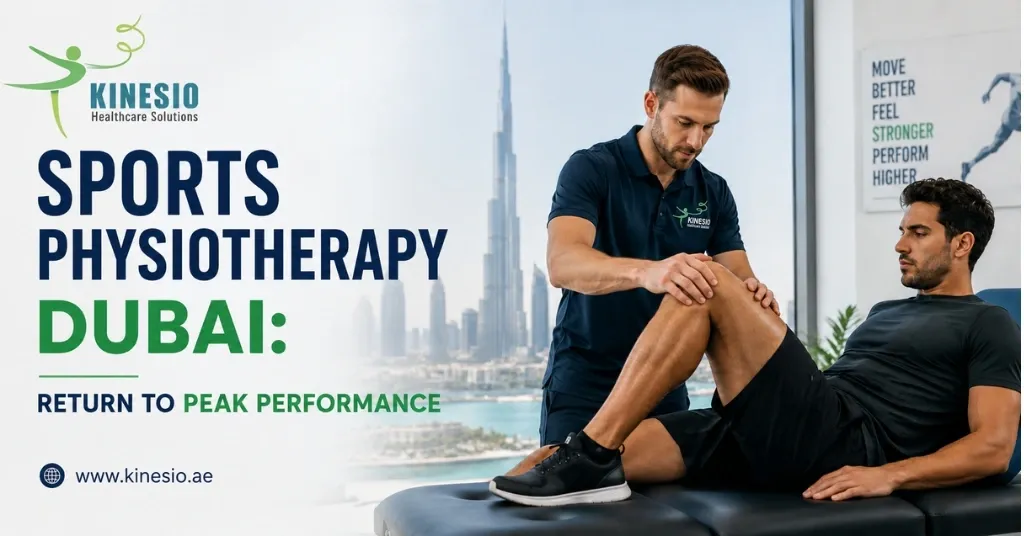
Sports injuries can affect any one from an athlete to a professional or just someone who loves being active. Injuries, whether at the fault of overtraining or bad movement patterns and incompetencies in a specific sport skill higher risk (movement screens), accidents or simply random bumps bruises from external forces can impair day to day function as well as performance. Getting the right rehabilitation not only makes you feel better, but it also minimizes risks of subsequent complications.
Sports physiotherapy dubai aims to restore upon an individual state of complete strength, mobility and flexibility making them ready for physical activity. Dubai, a true sports paradise provides its admirers the most advanced physiotherapy and rehabilitation services that whether overuse injuries or fail to wedge back find safety in recovery ensuring they return to sport with confidence.
Understanding Sports Injuries
Sports injuries happen when people train, compete in events, work out at the gym or even play recreational sports. Certain injuries occur immediately, while others build gradually as a result of repetitive stress on muscles and joints.
Common sports injuries include:
- Sprains and strains
- Ligament tears
- Muscle injuries
- Knee pain
- Shoulder injuries
- Tennis elbow
- Shin splints
- Ankle injuries
- Lower back pain
They may deteriorate without treatment and continue to restrict physical performance for a lengthy period of time.
Importance of Sports Physiotherapy Dubai
Rehabilitation plays an important role in the process of recovery. Rest alone is often insufficient for regaining full function after an injury. Their structured rehabilitation program supported all individuals rebuilding strength, flexibility and movement in a safe environment.
Rehabilitation has three primary goals:
- Reducing pain and inflammation
- Restoring mobility and flexibility
- Strengthening weakened muscles
- Improving balance and coordination
- Preventing re-injury
- Facilitating a safe resumption of sports activities
With professional rehabilitation, recovery is gradual and in a way that works.
Initial Assessment and Diagnosis
All good rehab has a detailed assessment process at the start. The physiotherapists assess the injury, movement restrictions, postures as well muscle strength and general health status.
The assessment may include:
- Physical examination
- Mobility testing
- Strength evaluation
- Functional movement analysis
- Medical history review
Depending on the results, a customized treatment plan is developed according to the status and recovery goals of each athlete.
Common Rehabilitation Techniques
The basis of the sports rehabilitation program varies according to the type and severity of injuries.
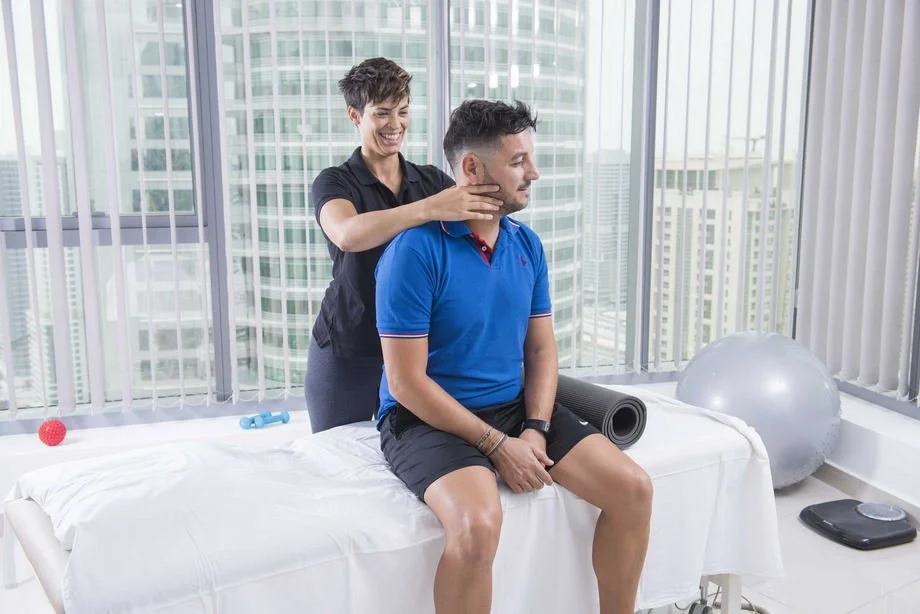
Manual Therapy
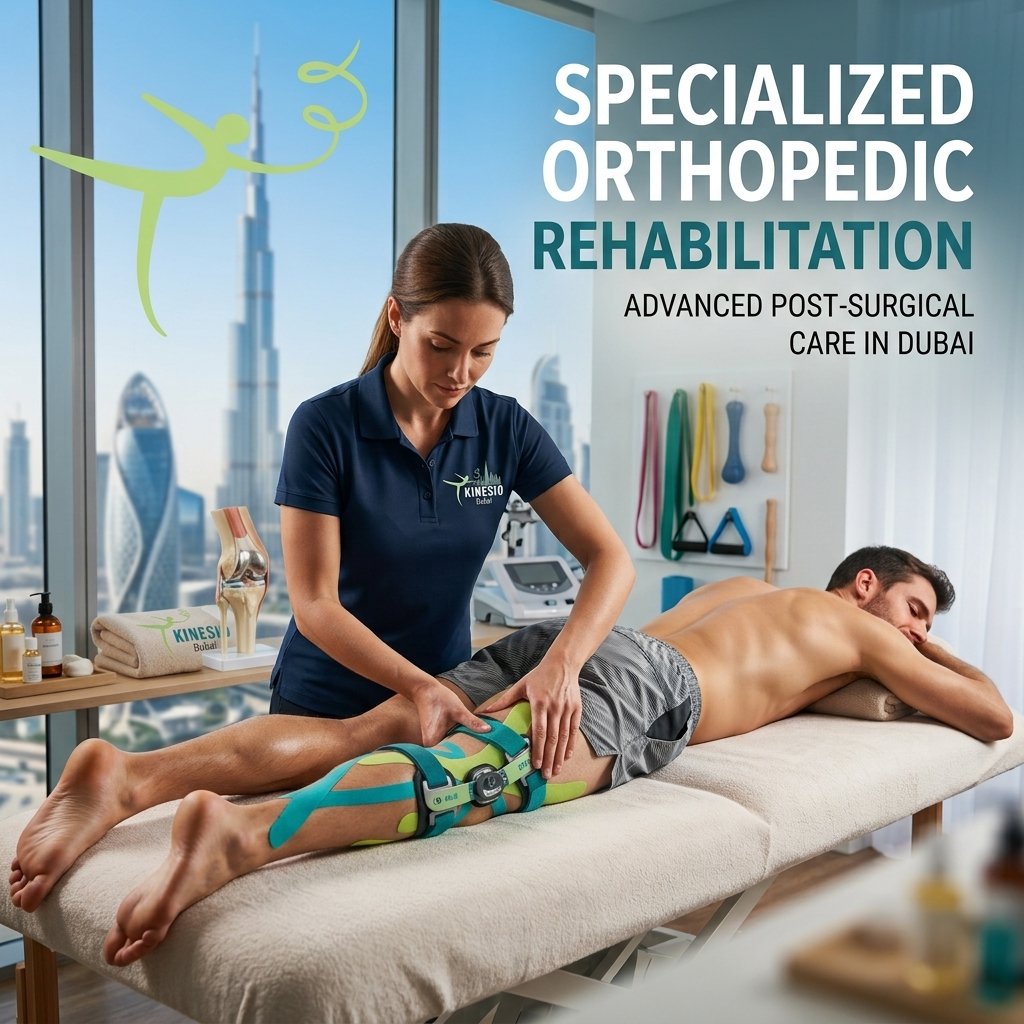
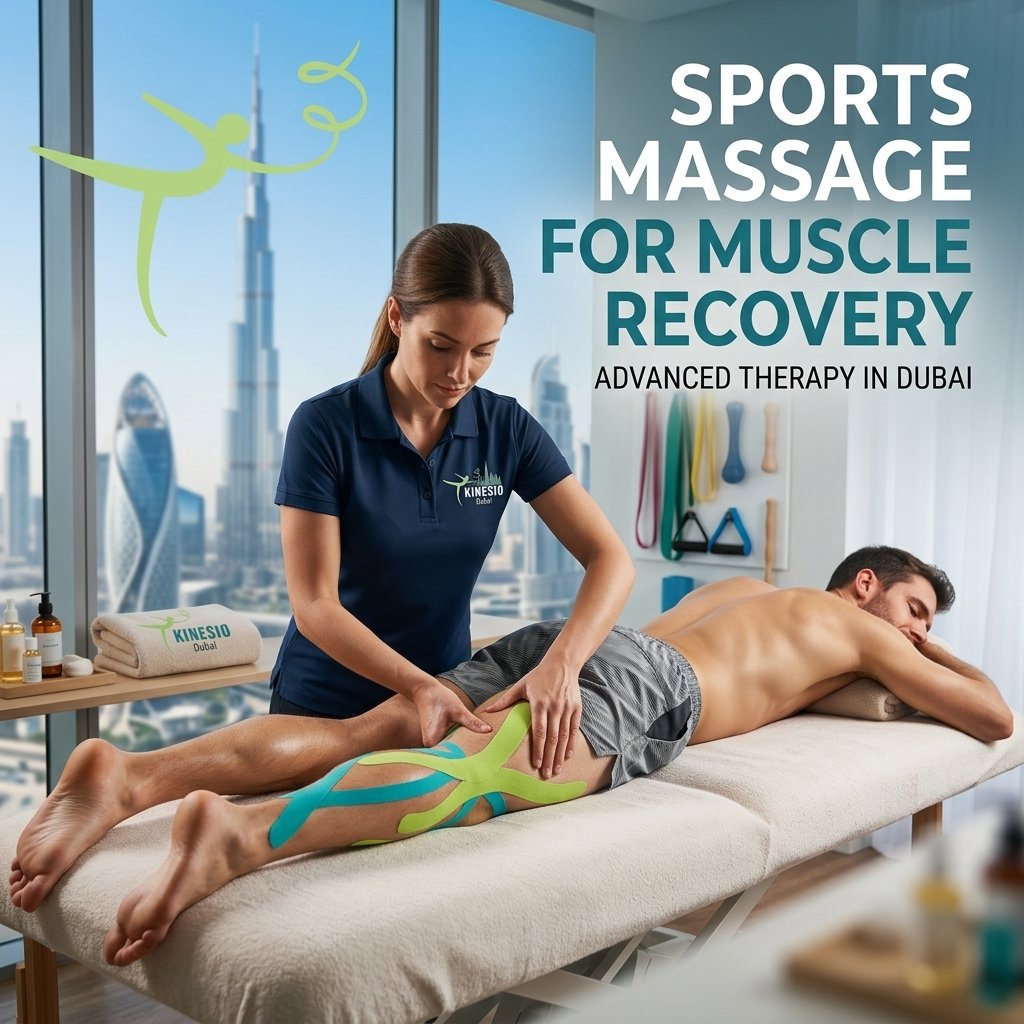
Examples:soft tissue massage, joint mobilization.stretching in manual therapy. These techniques ease stiffness, increase circulation and regain mobility.
Strength Training
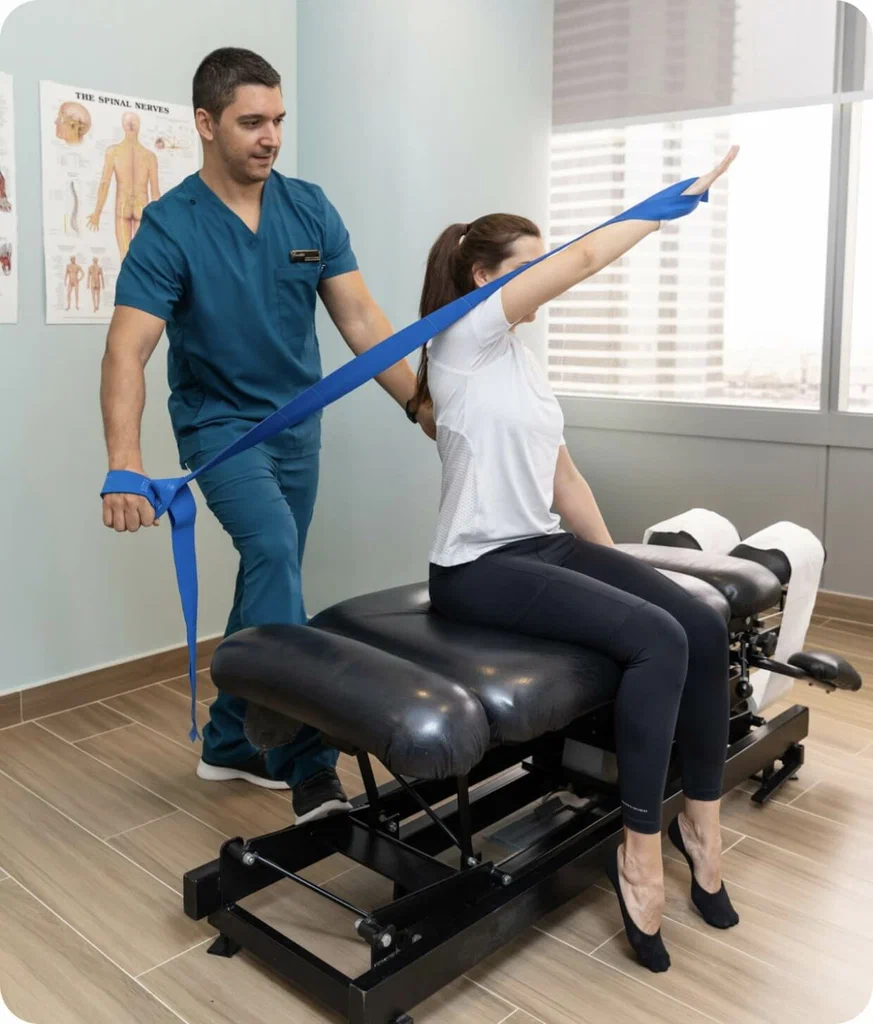
They help to rebuild muscle stability and support joints after an injury. Controlled physical performance exercises gradually lead to improvement and decreased ease of weakness.
Flexibility and Mobility Exercises
Range of Motion and Stretching Techniques: The last component is into the motion or flexibility, we can keep light exercise during 20–60 min depending on muscle tightness. These exercises are especially necessary after prolonged periods of inactivity following injury.
Balance and Coordination Training
Rehabilitation for lower body injuries in athletes often requires training to restore stability and movement control.
Pain Management Techniques
Other elements of rehabilitation include pain management techniques, such as topical heat and cold therapy with temperature application over the abdomen or perineum at a specific time each day, ultrasound examination to treat skeletal muscle contractures in major joints via insertion into them, electrical stimulation for muscles which are either paretic (nervous system issue) or spastic gait problem from hyperreflexic lower limbs.
Rehabilitation for Different Athletes
The physical demands of each sport varies in how their body will need specific gear to help perform better. Rehabilitation programs are designed based on movement patterns and performance drivers,
Runners
Knee pain, shin splints and ankle injuries are common complaints of runners. Other areas of study in rehabilitation are related to lower body strength, flexibility and running mechanics.
Football Players
Injuries related to ligaments, hamstrings and knee joints are a risk in football injuries. Included in therapy are agility drills, strength training and balance exercises.
Gym Athletes
Improper weightlifting often leads to shoulder or lower back injuries, especially for those who either lift throughout the day like gym-goers and daily smartphone users. Rehabilitation makes posture, movement and muscle management even better.
Tennis and Racquet Sport Players
Athletes of this nature tend to be subjected to a lot of elbow and shoulder stress. Upper body flexibility and muscle strengthening is the focus of treatment.
Preventing Future Injuries
Injury prevention is one of the most important benefits you gain from rehabilitation. Athletes learn from physiotherapists what static or dynamic movement problems they may have and whether their injuries are caused by muscle imbalances.
Preventive strategies may include:
- Proper warm-up routines
- Stretching exercises
- Correct movement techniques
- Strength and conditioning programs
- Recovery management
- Posture correction
A preventive programmes reduce the likelihood that injury-prone athletes will have successive injuries.
Mental Recovery After Injury
Sports injury Rehabilitation is not just about the body. Frustration, stress or another subsequent loss of confidence is what plagues many athletes following injury.
A separate rehabilitation can systematically and healthily restore confidence through measured improvements set by realistic recovery goals. A good mental well-being and favorable motivation are crucial for successful rehabilitation.
Benefits of Professional Rehabilitation
The ample benefits of seeking professional rehabilitation are definite long-term advantages such as:
- Faster recovery
- Reduced risk of re-injury
- Improved athletic performance
- Better flexibility and strength
- Enhanced movement efficiency
- Safe return to sports activities
Professionals are trained to ensure that the exercises done during their recovery in an appropriately safe manner.
Returning to Peak Performance
Getting back to sport too soon puts you at a greater risk of re-injuring yourself Even when athletes start feeling well, rehabilitation specialists monitor progress closely before permitting a return to full physical activity.
Return-to-sport programs often include:
- Sport-specific drills
- Endurance training
- Functional movement testing
- Strength evaluations
- Agility and coordination exercises
These are specific steps to make sure that athletes feel confident and physical readiness before returning back to competition or a high intensity activation.
Conclusion
Sports injuries can affect both physical performance and daily life and that’s where rehabilitation comes in – helping the athlete rehabilitate their injury safely. Rehab Programmes mostly target restoring the strength, flexibility of joints and muscles as well as balance & mobility to prevent future injuries.
Utilizing individualized rehab, professional advice and constant therapy can ensure that athletes return to their best with increased self-belief and in better physical shape. Regardless if it is a life-threatening injury or just a mild strain, rehabilitation will be important and crucial to your health for the long term of being successful in sports.
FAQs
1. What is sports injury rehabilitation?
Sports injury rehabilitation is a treatment process designed to restore strength, mobility, and physical performance after a sports-related injury.
2. How long does rehabilitation take?
Recovery time depends on the severity of the injury, the athlete’s condition, and consistency with therapy sessions and exercises.
3. Can rehabilitation prevent future injuries?
Yes, rehabilitation improves muscle balance, flexibility, and movement patterns, helping reduce the risk of recurring injuries.
4. Do I need physiotherapy for minor sports injuries?
Even minor injuries can benefit from physiotherapy to ensure proper healing and prevent long-term complications.
5. When can I return to sports after an injury?
Return-to-sport timing varies depending on recovery progress and medical evaluation. Athletes should only return when strength and mobility are fully restored.