
As people age, maintaining balance and physical stability becomes increasingly important for overall health and independence. Reduced muscle strength, slower reflexes, joint stiffness, and medical conditions can increase the risk of falls among older adults. Falls are one of the leading causes of injuries in seniors and can significantly affect mobility, confidence, and quality of life.
Regular balance exercises for seniors help improve coordination, strengthen muscles, and reduce the risk of falls. These exercises support better posture, physical stability, and confidence during daily activities. With proper guidance and consistent practice, seniors can maintain independence and improve overall physical wellness.
Why Balance Declines with Age
The body naturally undergoes physical changes during aging. Muscle mass decreases, joints become less flexible, and reaction times slow down. Vision problems, inner ear conditions, and chronic illnesses may also affect balance and coordination.
These factors can make walking, standing, and changing direction more difficult for older adults. Poor balance may increase the likelihood of stumbling or falling, especially on uneven surfaces or stairs.
Performing regular balance exercises for seniors helps strengthen the body’s support system and improves overall movement control.
Importance of Fall Prevention
Falls can cause serious injuries such as fractures, head trauma, and reduced mobility. Many seniors also experience fear of falling after an accident, which may lead to reduced physical activity and social isolation.
Fall prevention is essential for maintaining independence and long-term health. Regular exercise, proper footwear, home safety modifications, and physiotherapy support all contribute to reducing fall risks.
Professional geriatric physiotherapy programs are specifically designed to improve strength, balance, and coordination in older adults. These rehabilitation programs help seniors regain confidence in their physical abilities while supporting safer movement.
Benefits of Balance Exercises
Consistent balance training offers several health benefits for seniors. Exercises improve muscle strength, flexibility, posture, and coordination while reducing stiffness and instability.
Regular balance exercises for seniors also support better circulation and joint mobility. Improved balance allows seniors to move more confidently during everyday activities such as walking, climbing stairs, and getting out of chairs.
Balance training may also enhance mental confidence by reducing fear of falls and encouraging a more active lifestyle.
Simple Balance Exercises for Seniors
There are many safe and effective exercises that seniors can perform at home or under professional supervision. Exercises should always be performed slowly and carefully to avoid strain or injury.
Single-Leg Stand
Standing on one leg for a few seconds helps strengthen balance muscles and improve stability. Seniors can hold onto a chair or wall for support while practicing this exercise.
Heel-to-Toe Walk
This exercise involves walking in a straight line by placing one foot directly in front of the other. It improves coordination and walking control.
Chair Sit-to-Stand
Repeatedly standing up from a chair without using the hands strengthens leg muscles and improves overall stability.
Side Leg Raises
Lifting one leg sideways while standing helps strengthen hip muscles that support balance and posture.
Marching in Place
Slow marching movements improve coordination, circulation, and lower body strength.
Practicing these balance exercises for seniors regularly can significantly improve physical confidence and movement control.
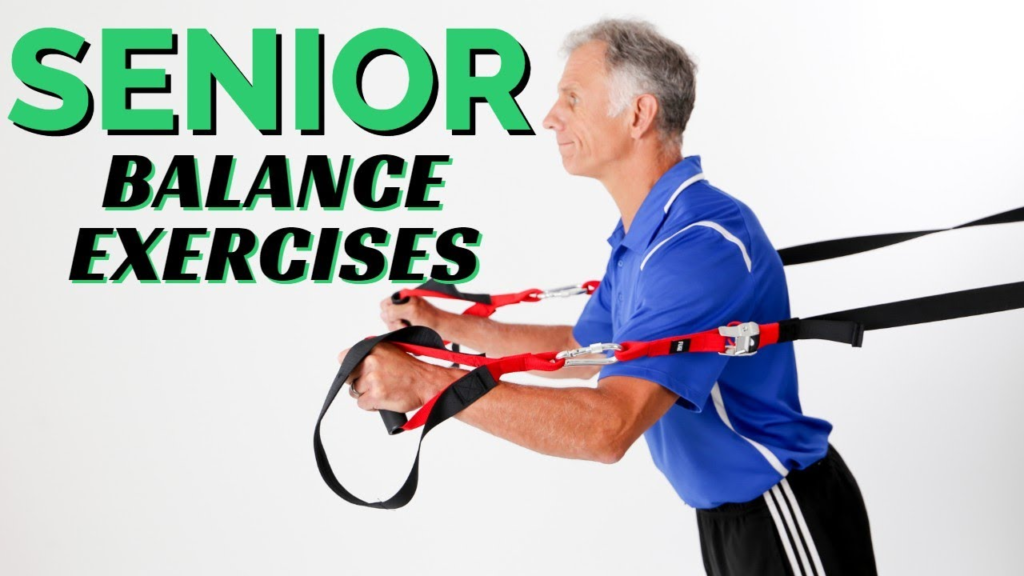
Role of Strength Training in Balance
Strong muscles play a vital role in maintaining body stability. Weak leg and core muscles increase the risk of falls and poor posture.
Strength training exercises such as squats, step-ups, and resistance band exercises help improve muscle support and balance. Seniors should focus on controlled movements and gradual progression to avoid injury.
Combining strength exercises with balance exercises for seniors creates a more effective fall prevention routine and supports overall physical health.
Importance of Flexibility and Mobility
Flexibility is essential for smooth and safe movement. Tight muscles and stiff joints can affect posture, walking patterns, and reaction time.
Stretching exercises improve flexibility while supporting mobility improvement in older adults. Gentle stretching routines help maintain joint movement and reduce stiffness that may interfere with balance.
Activities such as yoga and tai chi are also beneficial for improving flexibility, coordination, and relaxation.
Home Safety Tips for Fall Prevention
In addition to exercise, home safety plays an important role in reducing fall risks for seniors. Small environmental changes can significantly improve safety and stability.
Helpful home safety tips include:
- Removing loose rugs and clutter
- Installing grab bars in bathrooms
- Improving lighting in hallways and stairs
- Wearing supportive non-slip footwear
- Using handrails on staircases
Combining home safety improvements with regular balance exercises for seniors creates a safer living environment and reduces injury risks.
Physiotherapy Support for Seniors
Professional physiotherapy can provide personalized support for seniors experiencing balance difficulties or mobility limitations. Physiotherapists assess posture, walking patterns, muscle strength, and coordination before designing customized treatment plans.
Therapy programs often include balance training, strength exercises, flexibility routines, and walking practice. Physiotherapists also educate seniors about safe movement techniques and fall prevention strategies.
Seniors recovering from surgery, injury, or neurological conditions may especially benefit from supervised rehabilitation programs.
Lifestyle Habits That Improve Balance
Healthy lifestyle habits contribute significantly to balance and overall wellness. Proper nutrition, hydration, regular physical activity, and adequate sleep all support muscle function and coordination.
Seniors should remain physically active and avoid long periods of inactivity. Walking, stretching, and low-impact exercises help maintain muscle strength and mobility.
Routine medical checkups are also important for identifying vision problems, medication side effects, or health conditions that may affect balance.

When to Seek Professional Help
Seniors should consult a healthcare professional if they experience:
- Frequent falls or near-falls
- Dizziness or vertigo
- Difficulty walking
- Sudden balance changes
- Weakness in the legs
Early intervention can help prevent serious injuries and improve long-term mobility outcomes.
Professional guidance ensures that exercises and rehabilitation plans are safe, effective, and appropriate for individual health conditions.
Conclusion
Maintaining balance and stability is essential for healthy aging and fall prevention. Regular balance exercises for seniors improve coordination, muscle strength, flexibility, and overall physical confidence.
With proper exercise routines, physiotherapy support, and safe lifestyle habits, seniors can reduce fall risks and maintain greater independence in daily life. Consistent balance training not only improves physical health but also enhances confidence, mobility, and quality of life for older adults.
FAQs
1. Why are balance exercises important for seniors?
Balance exercises help reduce fall risks, improve coordination, and strengthen muscles that support stability.
2. How often should seniors practice balance exercises?
Most seniors can benefit from practicing balance exercises several times per week, depending on their health condition.
3. Can balance exercises prevent falls?
Yes, regular balance training improves stability and reduces the likelihood of falls and related injuries.
4. Are balance exercises safe for older adults?
Yes, when performed carefully and under proper guidance, balance exercises are generally safe and highly beneficial.
5. When should seniors see a physiotherapist?
Seniors should seek professional help if they experience frequent falls, dizziness, weakness, or difficulty walking.