Health needs of women change over life and therefore many stages of women’s life bring physical challenges that restrict mobility and comfort in women. These include adolescence, pregnancy, postpartum recovery and menopause. These changes affect quality of life. Specialized physiotherapy is a way to treat these by looking at their conditions in a structured way based on current evidence.
If you are looking at women’s health physiotherapy Dubai, knowing the treatments, advantages and the therapy itself helps you to bring better decisions for your health. This guide brings to you the essence of women’s health therapy, the people who can benefit from it and the growing need of it in women therapy in Dubai.
What Is Women’s Health Physiotherapy?
Women’s health physiotherapy is a specialized branch of physiotherapy that provides therapy for women at different life stages and the conditions that are a consequence of that life stage. The therapy helps improve strength and mobility and focuses on pelvic and posture health.
Women’s health physiotherapy Dubai brings tailored services for customers based on their symptoms, lifestyles and medical history. Services in this domain offer a mix of different rehabilitation tasks.
Conditions Treated by Women’s Health Physiotherapy
There are many conditions women’s health physiotherapists treat before, during and after pregnancy and many during their adult life.
Common conditions include:
- pelvic floor dysfunction
- urinary incontinence
- pelvic organ prolapse
- pregnancy-related back pain
- pelvic pain
- pregnancy-related sciatica
- diastasis recti
- difficulties with postpartum recovery
- pain during intercourse
- weakness in the core muscles
- instability in the hips and pelvis
- menopause-related musculoskeletal conditions
Early assessment and treatment may help prevent worsening of these conditions.
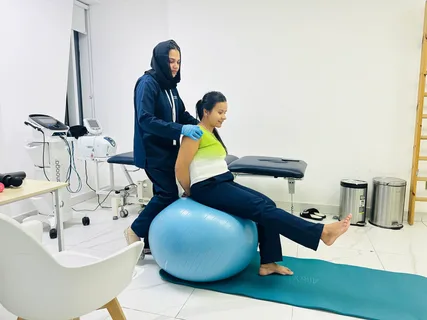
Pregnancy Physiotherapy
Pregnancy adds stress to the muscles and jfoints and ligaments. Baby growth leads to changes in postures and mechanics in the body that can cause discomfort.
Physiotherapy during pregnancy may assist in:
- lower back pain
- pelvic girdle pain
- tension in the neck and shoulder
- swollen joints
- poor posture
- weakness in muscles
Pregnancy places restrictions on the practice of physical therapy. During each trimester of pregnancy, treatments are adapted to the stage of pregnancy.
Postpartum Rehabilitation
Childbirth has a major impact on the pelvic floor and abdominal muscles and overall body strength.
Postpartum physiotherapy in Dubai may provide recovery support that is timely and safe.
Postpartum rehabilitation concentrates on:
- pelvic floor strengthening
- core stability
- correction of posture
- management of scar tissue after cesarean birth
- safe passage to exercise
- practice of breathing
- training in movement that is safe and functional
In rehabilitation, pain during daily activities is reduced and confidence is improved.
Pelvic Floor Rehabilitation
The pelvic floor muscles support pelvic organs and help control bladder and bowel function.
Pelvic instability and pain, decreased core stability, and frequent urination may be a sign of pelvic overactivity or weakness.
Pelvic floor rehabilitation aims to restore muscle balance by strengthening and lengthening muscles and improving coordination. The methods are tailored to individual needs.
Gynecological Physiotherapy
Many women do not consider the option of physiotherapy for managing gynecological conditions. The gynecological physiotherapy Dubai has the potential to provide therapeutic interventions for the following:
- Chronic pelvic pain
- Discomfort associated with endometriosis
- Post-surgical pain following gynecological surgery
- Pain associated with intimacy
- Dysfunctional pelvic muscles
- Management of scar tissue
All treatment is conducted with sensitivity to the issues and with the comfort and privacy of the patient being the highest priority.
Benefits of Women’s Health Physiotherapy
Women’s Health Physiotherapy has the potential to provide numerous types of benefits to women, both physically and emotionally, including:
Reduction of pain
Specific interventions for women’s health concerns help alleviate pain associated with the back, pelvis, joints, and muscles.
Improved Strength in the Pelvic Floor
Improved strength and function of the pelvic floor assist and have the potential to improve the function of the bladder and core.
Postpartum Recovery
Physiotherapy aids healing following the trauma of delivery to help women regain strength and mobility.
Postural Improvements
Women’s Health Physiotherapy assists in the restoration of a healthy postural alignment and postural patterns.
Improved Function and Quality of Life
Increased strength, flexibility, and balance help improve function and ease of movement in all activities, as well as assistance in the alleviation of symptoms and improvement of overall quality of life and confidence to return to the workplace and engage in physical fitness and activities with family.
What Happens in the First Appointment?
There is a standard format for the initial physiotherapy appointment that generally consists of the following:
- The taking of your health history
- Description of your health concerns
- Physical examination
- Postural assessment
- Assessment of your movement
- Assessment of the pelvic floor with consent
- Setting of goals
- Construction of a treatment pathway
Assessment steps will all be explained by the physiotherapist, and all questions will be answered prior to the onset of any treatment.
What Are the Common Treatment Techniques?
Due to the individuality of conditions and goals, treatment techniques vary and are specific to the individual.
A physiotherapist may recommend many things, all of which will aim to improve function and minimize pain.
Home Rehabilitation Support
Some patients require rehabilitation to be more successful when offered in their own home. This rehabilitation may be offered especially for patients who have experienced surgery or have had a baby, or patients with some neurological conditions.
Physiotherapy providers may also offer home rehabilitation services for stroke patients. In this instance, physiotherapy aims at improving mobility and strength and offers patients a greater balance and independence when delivered in their home.
When Should You See a Women’s Health Physiotherapist?
You should see a women’s health physiotherapist if you have any of the following:
- Chronic lower back pain
- Pelvic pain
- Urinary incontinence
- Pain when you are pregnant
- Pain when you try and return to exercise after you have had your baby
- Separation of abdominal muscles
- Pelvic pressure or heaviness
- Pain when you move
- Reduced mobility after delivery
The earlier you seek treatment, the better your long-term outcomes are likely to be.
Choosing the Right Physiotherapist
The following may assist you when selecting a women’s health physiotherapist:
- Professional qualifications
- Experience treating women’s health
- Personalized treatment plans
- Comfortable and private treatment
- Evidence-based rehabilitation
- Good communication
- Positive feedback
Some clinics also provide female physiotherapy services in Dubai.
Tips for Maximizing Your Recovery
To ensure the best results when attending physiotherapy, aim for the following:
- Follow your physiotherapist’s guidance on how to approach your daily living.
- Being consistent and patient on your part will make it a little easier to bear.
- As long as you remain consistent, you will notice gradual improvement.
Final Thoughts
Professional female physiotherapy services Dubai provides services to support women throughout crucial life phases, including pregnancy and postpartum, menopause, and pelvic health. Physiotherapy aids women in pain, strength and pelvic floor and mobility restoration. Recovery in this way helps women to feel better, improves their quality of life, and helps women regain confidence.
For women who also experience (treatments of) pain from pregnancy, postpartum recovery, pelvic floor dysfunction, and preventive women’s health physiotherapy, claims services as the safe, effective, and research-based health approach. Health wishes to help you with your vital goals for your long-term health by seeing a qualified women’s health physiotherapist.
(FAQs)
1. What conditions can women’s health physiotherapy treat?
Some musculoskeletal issues affecting women may also be addressed by women’s health physiotherapy, including postpartum recovery, pelvic pain and prolapse, diastasis recti, pregnancy-related pelvic floor dysfunction and urinary incontinence.
2. Is women’s health physiotherapy safe during pregnancy?
Yes, when provided by an appropriately trained physiotherapist, treatment will be tailored for each pregnancy stage and will focus on pain relief, posture, pelvic floor preparatory exercises, and maintaining mobility during pregnancy.
3. When should I start physiotherapy after childbirth?
Gentle physiotherapy may commence as soon as six weeks postpartum for many women. This depends on the woman and the readiness of her health care provider. Your physiotherapist will assess you to develop a safe and effective rehabilitative plan.
4. How many physiotherapy sessions will I need?
This will depend on a number of factors including your symptoms and their severity, your treatment goals, and how much progress you make during treatment. Some women show significant improvement in just a few sessions, while women in need of lengthier treatment will likely need the full duration of the treatment program.
5. Do I need a referral to see a women’s health physiotherapist in Dubai?
This depends on the clinic you want to go to and your health insurance. Many clinics will allow you to self-refer, but some insurance providers will want you to obtain a referral from a general physician in order for your physiotherapy costs to be covered.