Pain in your back, knee, shoulder, neck, hip or another joint can gradually affect almost every part of daily life. Walking, working, exercising, driving or even sleeping can become uncomfortable when movement is limited.
This is where orthopedic physiotherapy in Dubai can play an important role.
Orthopedic physiotherapy focuses on problems affecting the muscles, bones, joints, tendons, ligaments and other parts of the musculoskeletal system. These problems can result from injuries, repetitive activities, surgery, sports, poor movement patterns or conditions that develop over time.
The World Health Organization reports that musculoskeletal conditions affect people of all ages and include problems such as low back pain, osteoarthritis, fractures, injuries and other conditions affecting muscles, bones and joints. Musculoskeletal conditions are also a major reason people require rehabilitation.
What Is Orthopedic Physiotherapy?
Orthopedic physiotherapy is a specialised area of physiotherapy concerned with the assessment and rehabilitation of musculoskeletal problems.
Rather than focusing only on where you feel pain, a physiotherapist may look at how the affected area moves, how strong the surrounding muscles are, what activities aggravate the symptoms and how the problem is affecting your daily life.
At Kinesio Healthcare Solutions, musculoskeletal and orthopedic physiotherapy is provided as part of a broader physiotherapy and rehabilitation service in Dubai. The clinic describes its approach as personalised, with treatment plans designed around the patient’s condition, mobility and recovery goals.
What Conditions Can Orthopedic Physiotherapy Treat?
People often associate physiotherapy only with sports injuries, but orthopedic rehabilitation covers a much wider range of musculoskeletal problems.
Depending on the individual’s assessment, physiotherapy may be used for:
- Back and neck pain
- Knee pain
- Shoulder pain
- Hip pain
- Ankle and foot problems
- Muscle strains
- Tendon problems
- Joint stiffness
- Sports injuries
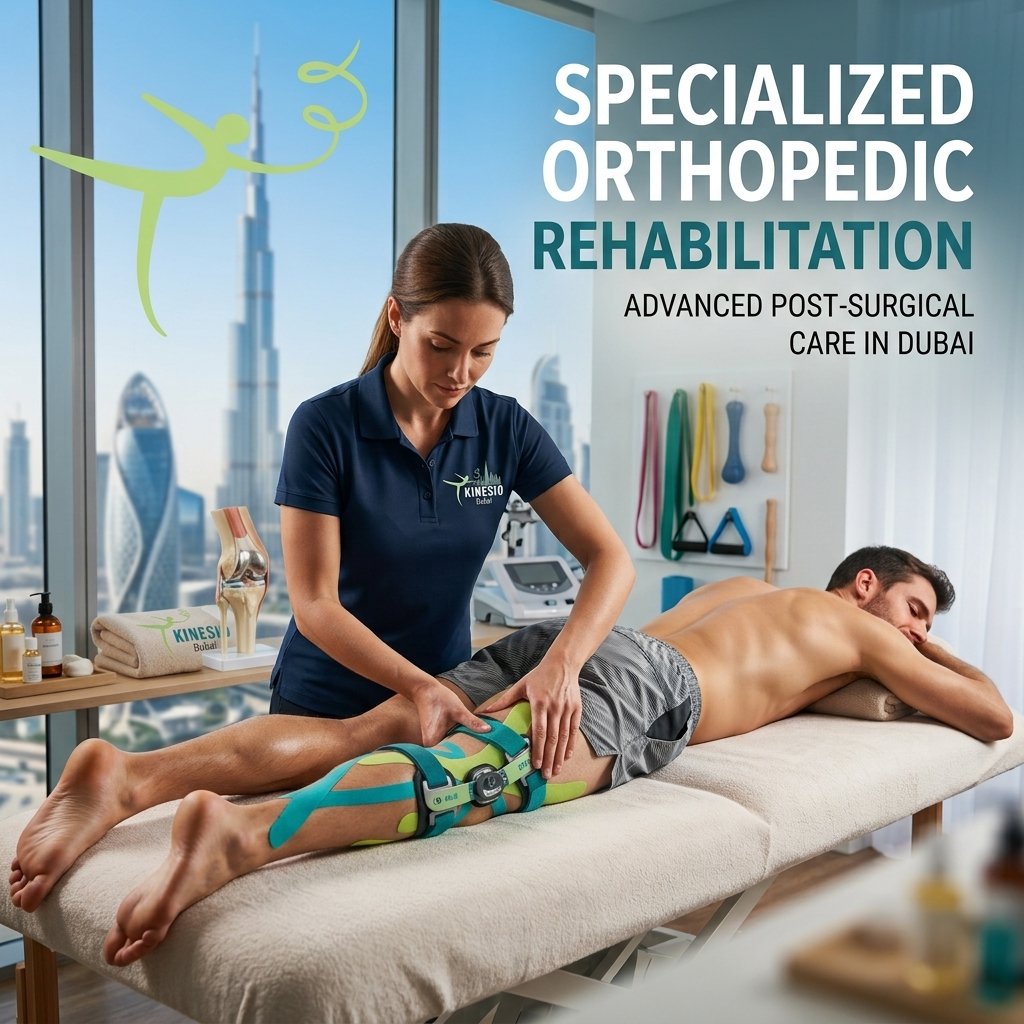
- Post-surgical rehabilitation
- Mobility limitations
- Some arthritis-related problems
- Repetitive strain injuries
Musculoskeletal services commonly address back, knee, shoulder and neck pain, arthritis, sciatica, plantar fasciitis, tennis elbow and recovery after injuries or surgery.
Physiotherapy for Back and Neck Pain
Back and neck pain are among the most common reasons people seek musculoskeletal care.
Symptoms may develop after prolonged sitting, repetitive work, exercise, lifting, an injury or without one obvious cause.
A physiotherapy assessment can examine movement, strength, flexibility and functional limitations. Depending on the findings, rehabilitation may involve exercises, manual techniques, movement education and modifications to daily activities.
The objective is not simply to make the pain disappear for a few hours. A structured rehabilitation programme can also focus on improving movement and restoring physical function.
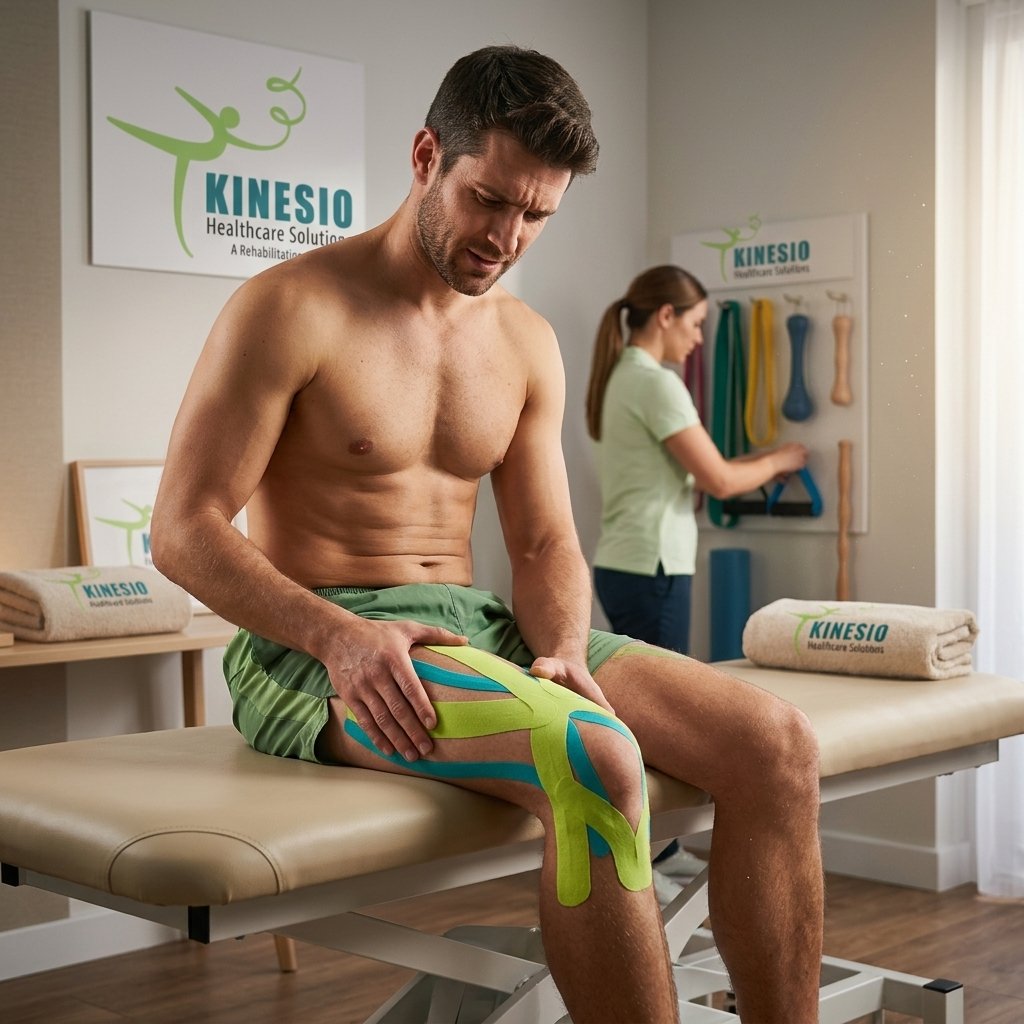
Physiotherapy for Knee Pain
Knee pain can affect people who exercise regularly as well as people who do not participate in sports.
Common situations include knee pain after training, overuse, previous injury, weakness around the hip or knee, joint problems and recovery after surgery.
Physiotherapy for knee pain may include progressive strengthening, mobility exercises, balance work and functional rehabilitation.
The appropriate treatment depends on why the knee hurts. This is why copying a generic exercise programme without understanding the underlying problem may not be useful.
Physiotherapy for Shoulder Pain
Shoulder problems can make reaching, lifting, dressing and sleeping difficult.
Common causes can include tendon problems, rotator cuff injuries, stiffness, repetitive overhead activity and sports-related injuries.
A physiotherapist may assess shoulder movement, strength, coordination and functional limitations before designing an appropriate rehabilitation programme.
Exercises may focus on mobility, rotator cuff strength, shoulder control and gradual return to normal activity.
Persistent shoulder pain should be assessed rather than repeatedly ignored. NHS guidance also notes that physiotherapy and exercise can form part of treatment for shoulder pain, depending on the cause.
Orthopedic Physiotherapy After an Injury
An injury does not always end when the initial pain decreases.
After a sports injury, strain, fracture or other musculoskeletal problem, you may still have reduced strength, stiffness, poor movement control or hesitation when returning to normal activity.
This is where orthopedic rehabilitation in Dubai can become important.
Rehabilitation can be progressed in stages:
1. Assessment
The first step is understanding the symptoms, limitations and physical findings.
2. Pain and Movement Management
Treatment may initially focus on improving comfort and maintaining appropriate movement.
3. Strength and Mobility
As symptoms improve, exercises can be progressed to rebuild strength, flexibility and control.
4. Functional Rehabilitation
The programme can then move toward activities that matter to you, whether that means returning to work, walking comfortably, training at the gym or playing sport.
5. Return to Normal Activity
The final stage is building enough capacity and confidence to return to normal activities safely.
The exact programme and timeline differ from one person to another.
What Happens During an Orthopedic Physiotherapy Session?
Your first appointment typically begins with a discussion about your symptoms, injury history, daily activities and goals.
A physiotherapist may then assess:
- Range of movement
- Muscle strength
- Joint movement
- Balance and coordination
- Functional movement
- Areas of pain or stiffness
- Factors that may be contributing to the problem
The information gathered during the assessment helps determine an appropriate treatment plan.
At Kinesio Healthcare Solutions, the clinic states that physiotherapy sessions commonly run around 45–60 minutes, depending on the condition and treatment plan.
What Treatments Are Used in Orthopedic Physiotherapy?
There is no single treatment that is right for every patient.
Depending on the condition, a physiotherapist may use a combination of:
Therapeutic exercise: Exercises designed to improve strength, mobility, stability and function.
Manual therapy: Hands-on techniques may be used when appropriate to support movement and symptom management.
Movement retraining: This can help patients improve how they perform specific movements or activities.
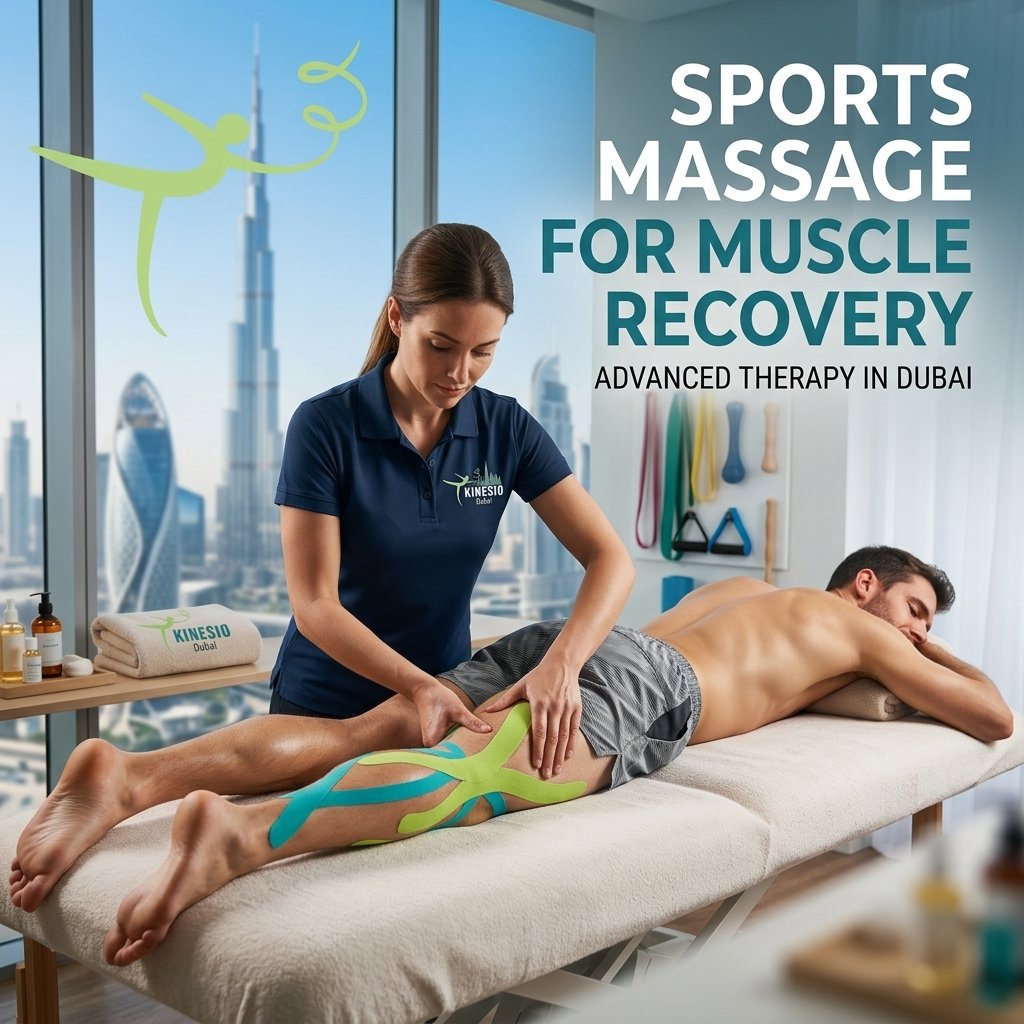
Soft-tissue techniques: These may be incorporated when suitable for the patient’s condition.
Dry needling: Kinesio Healthcare Solutions also offers dry needling as one of its physiotherapy techniques.
Kinesio taping: Taping may be used as an additional treatment approach depending on the individual’s needs.
Home exercises: A structured home programme can help patients continue rehabilitation between appointments.
The specific combination should be based on assessment rather than using the same treatment for everyone.
Does Orthopedic Physiotherapy Only Treat Pain?
No.
Pain is one part of the problem, but rehabilitation can also focus on improving function.
For example, a person with knee pain may want to walk comfortably. An athlete may want to return to football or padel. Someone recovering from surgery may need to rebuild strength and movement. Another person may simply want to return to normal daily activities without restriction.
WHO describes rehabilitation as person-centred care that aims to optimise functioning and reduce disability, with interventions selected around an individual’s needs and goals.
When Should You See an Orthopedic Physiotherapist?
Consider an assessment when pain or stiffness is:
- Persistent
- Repeatedly returning
- Limiting your normal activities
- Affecting your exercise routine
- Reducing your mobility
- Making work difficult
- Affecting sleep
- Present after an injury or surgery
You do not necessarily need to wait until pain becomes severe.
Early assessment may help identify movement limitations and determine whether physiotherapy is appropriate.
Orthopedic Physiotherapy for Active People in Dubai
Dubai has a large community of runners, gym-goers, athletes and recreational sports players. Regular physical activity can be beneficial, but repeated training can also place demands on joints, muscles and tendons.
For active people, orthopedic physiotherapy can be part of a broader rehabilitation programme designed around mobility, strength and return to activity.
At Kinesio Healthcare Solutions in Dubai, the service range includes musculoskeletal and orthopedic physiotherapy, sports injury rehabilitation, sports massage, dry needling and other physiotherapy treatments.
This allows treatment to be adapted to the patient’s specific needs rather than relying on a single approach.
Orthopedic Physiotherapy vs Regular Physiotherapy
The terms can sometimes be confusing.
Physiotherapy is a broad healthcare profession covering many areas, including musculoskeletal problems, sports rehabilitation, neurological conditions, cardiopulmonary rehabilitation, women’s health and paediatric care.
Orthopedic physiotherapy is more specifically focused on musculoskeletal problems involving areas such as muscles, joints, bones, tendons and ligaments.
Kinesio Healthcare Solutions provides a range of physiotherapy services, with musculoskeletal and orthopedic physiotherapy listed alongside sports rehabilitation, dry needling, sports massage and other specialised services.
Frequently Asked Questions
What is orthopedic physiotherapy?
Orthopedic physiotherapy focuses on the assessment and rehabilitation of musculoskeletal problems involving muscles, joints, bones, tendons and ligaments.
What conditions can orthopedic physiotherapy treat?
It may be used for back pain, neck pain, knee pain, shoulder problems, sports injuries, joint stiffness, muscle injuries, tendon problems and rehabilitation after surgery or injury.
Is orthopedic physiotherapy suitable after surgery?
Physiotherapy is commonly used during rehabilitation after certain surgeries. The appropriate programme depends on the procedure, healing stage and advice from the relevant healthcare professionals.
How many physiotherapy sessions do I need?
There is no universal number. Kinesio notes that the number of sessions depends on the condition and progress, with some patients improving within a few sessions while others require a longer programme.
Can physiotherapy help chronic pain?
Physiotherapy may form part of a broader management plan for persistent musculoskeletal pain. The treatment approach depends on the cause, symptoms and functional limitations.
Can I go directly to physiotherapy in Dubai?
Kinesio Healthcare Solutions states that patients can generally book directly, although insurance requirements may sometimes differ.
Is physiotherapy painful?
Treatment should be appropriately adjusted to the individual’s condition. Some techniques or exercises can cause mild discomfort, but treatment should remain within an appropriate and safe level.
Where does Kinesio Healthcare Solutions provide physiotherapy?
Kinesio Healthcare Solutions provides physiotherapy at its clinic in Dubai Media City, serving Dubai Media City, Al Sufouh and surrounding communities.
Final Thoughts
Orthopedic problems can affect much more than one painful area. They can influence movement, work, exercise, sleep and everyday independence.
Orthopedic physiotherapy in Dubai provides a structured approach to assessing musculoskeletal problems and working toward better movement, strength and function.
Whether you are dealing with knee pain, shoulder stiffness, back problems, a sports injury or rehabilitation after surgery, the right treatment plan should be based on your specific condition and goals.
For patients in Dubai, Kinesio Healthcare Solutions provides personalised physiotherapy and rehabilitation services for musculoskeletal conditions, sports injuries and mobility-related problems.