Joint pain, muscle injuries and movement difficulties can affect far more than physical comfort. A painful knee can make stairs difficult. A stiff shoulder can interfere with dressing or lifting. A muscle injury can stop someone from exercising, working comfortably or enjoying their favourite sport.
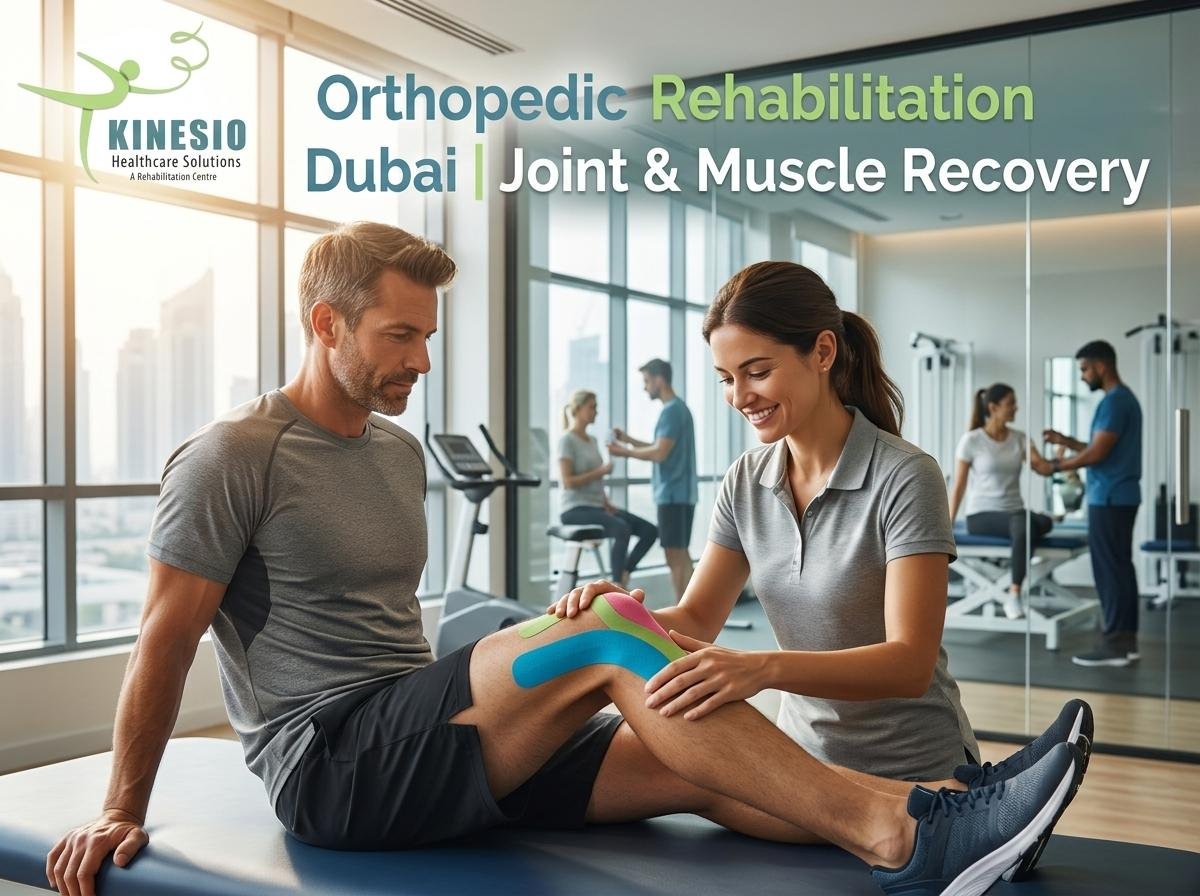
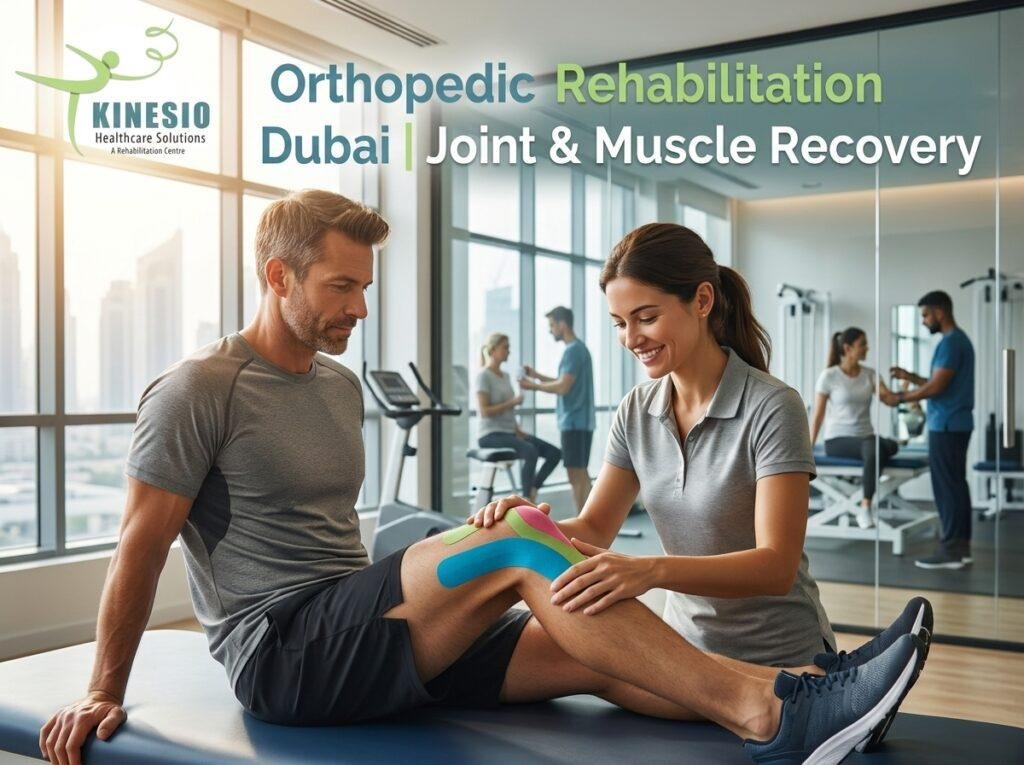
Orthopedic rehabilitation in Dubai helps people address these problems through an individualised approach that may include physiotherapy, therapeutic exercises, movement training and other clinically appropriate treatments. The goal is to improve strength, mobility and physical function while helping each person return to the activities that matter to them.
Unlike a treatment that focuses only on temporary relief, rehabilitation considers how the body moves, what is limiting normal activity and what needs to improve for recovery to progress.
At Kinesio Healthcare Solutions, musculoskeletal and orthopedic physiotherapy is available for conditions involving joints, muscles, tendons, ligaments and bones, including sports injuries, overuse injuries and rehabilitation following surgery. The treatment approach is personalised around the patient’s condition, goals and lifestyle.
For people looking for musculoskeletal rehabilitation, understanding the process can make it easier to know what to expect, which questions to ask and when professional assessment may be useful.
What Is Orthopedic Rehabilitation?
Orthopedic rehabilitation is a structured process designed to restore movement and function following an injury, musculoskeletal condition or orthopedic procedure.
It commonly involves physiotherapy and exercises that address problems affecting the body’s movement system. Depending on the individual’s condition, rehabilitation may focus on reducing functional limitations, restoring joint movement, rebuilding muscle strength, improving balance or preparing someone to return to work and sport.
The World Health Organization describes rehabilitation as interventions that help optimise functioning and reduce disability so people can remain as independent as possible and participate in everyday life.
Source: World Health Organization — Rehabilitation
Orthopedic rehabilitation may be appropriate for people recovering from:
- Muscle strains and other soft-tissue injuries
- Ankle sprains and selected ligament injuries
- Knee, shoulder, hip or ankle problems
- Tendon-related conditions
- Some forms of arthritis
- Fractures after appropriate medical treatment
- Orthopedic surgery
- Sports injuries
- Weakness or reduced mobility following inactivity
The right treatment depends on the underlying condition. Two people with pain in the same joint may need very different programmes, which is why assessment comes before selecting exercises or treatment techniques.
Why Do Joint and Muscle Problems Need Rehabilitation?
When a joint or muscle becomes painful, people naturally try to protect the affected area. They may reduce activity, avoid certain movements or change how they walk and perform everyday tasks.
Some temporary changes can be sensible, particularly after an acute injury. However, prolonged inactivity can also contribute to loss of strength, reduced movement tolerance and lower confidence in using the affected body part.
For example, someone who stops using a painful leg for an extended period may find it harder to climb stairs when they eventually resume normal activities. A person recovering from shoulder surgery may need time and guided exercise to regain strength and range of motion.
The World Health Organization identifies musculoskeletal conditions as a major contributor to disability and the need for rehabilitation worldwide. These conditions can affect mobility, dexterity, work and participation in everyday life.
Source: WHO — Musculoskeletal Health
Rehabilitation aims to address the functional consequences of a problem, not just its location.
What Conditions Can Orthopedic Rehabilitation Help With?
1. Knee Pain and Restricted Movement
Knee problems can develop after an injury, repeated physical loading, surgery or changes associated with conditions such as osteoarthritis.
People may experience pain while walking, climbing stairs, squatting, standing up from a chair or participating in sports.
Joint rehabilitation Dubai services can help assess movement, strength, balance and the activities that are causing difficulty. Depending on the findings, the programme may include progressive strengthening, mobility exercises and functional training.
The aim is to build the capacity needed for everyday activities rather than simply avoiding every movement that causes discomfort.
2. Shoulder Pain and Stiffness
Shoulder problems can make lifting, reaching overhead, dressing and sleeping uncomfortable.
Rehabilitation may be useful for selected rotator cuff problems, movement restrictions, sports injuries and recovery following surgery.
A physiotherapist may assess shoulder mobility, strength, coordination and relevant movement patterns before choosing exercises.
Progression matters. Someone who has difficulty raising an arm may initially need comfortable movement before moving on to more demanding strengthening exercises.
3. Muscle Strains and Weakness
Muscle strains can occur during running, lifting, gym training or other physical activities. They may cause pain, tenderness and difficulty using the affected muscle normally.
The appropriate rehabilitation programme depends on the severity and location of the injury.
It may progress from protecting the injured area and maintaining appropriate movement to strengthening, functional exercises and gradual return to activity.
Not every injury should be treated immediately with aggressive stretching or massage. Significant pain, swelling, bruising or loss of function should be assessed to determine the appropriate next step.
4. Ankle and Foot Problems
Ankle sprains and other foot or ankle conditions can affect walking, balance and confidence during movement.
Even after pain improves, some people may still have reduced strength or balance.
Rehabilitation can include suitable mobility exercises, strengthening, balance training and progressive weight-bearing activities when medically appropriate.
For athletes, later stages may include controlled running, landing and changes of direction before returning to unrestricted sport.
5. Tendon and Overuse Problems
Tendon-related conditions can develop when repeated physical demands exceed the body’s current ability to tolerate them.
Symptoms may occur around the shoulder, elbow, knee, Achilles tendon or other areas.
Treatment may involve adjusting the activities that aggravate symptoms and gradually building strength and load tolerance.
Complete rest is not always the long-term answer. The appropriate level of activity depends on the diagnosis and severity, so persistent symptoms should be assessed rather than managed through guesswork.
6. Rehabilitation After Orthopedic Surgery
People sometimes assume that the operation itself completes the recovery process. In reality, the period after surgery can be just as important for restoring function.
Depending on the procedure, post-surgical rehabilitation may address:
- Reduced range of motion
- Muscle weakness
- Stiffness
- Walking difficulties
- Balance limitations
- Reduced confidence with movement
- Gradual return to daily activities
The exercise programme must follow the instructions of the surgical team and respect any movement or weight-bearing restrictions.
A knee replacement, ligament repair and shoulder procedure do not follow the same rehabilitation timeline. Individual treatment planning is essential.
How Does Musculoskeletal Rehabilitation Work?
A rehabilitation plan generally progresses according to the person’s condition, current abilities and recovery goals. It is not a fixed sequence that every patient must follow at the same pace.
Step 1: Assessment
The physiotherapist asks about symptoms, medical history, daily activities, previous injuries and personal goals.
The physical assessment may include movement, strength, balance and functional activities, depending on the condition.
Step 2: Managing Symptoms and Activity
Early treatment may focus on finding a manageable level of activity while avoiding unnecessary aggravation.
This does not always mean stopping movement altogether. The appropriate approach depends on the injury and any medical restrictions.
Step 3: Restoring Mobility
If stiffness or restricted movement is present, suitable exercises may help restore the range needed for daily tasks.
Mobility work should be selected according to the condition rather than based on a generic stretching routine.
Step 4: Building Strength
Strengthening exercises help develop the physical capacity required for everyday activities.
For example, a person who wants to climb stairs comfortably may need progressive leg strengthening. Someone returning to racket sports may need shoulder and upper-limb conditioning as part of their programme.
Step 5: Improving Functional Movement
As capacity improves, exercises can become more relevant to real-life activities.
These may include stepping, balance tasks, controlled squatting, lifting practice or other movements that are important to the person.
Step 6: Returning to Normal Activities
The final goal is to build sufficient capacity for normal life, work, exercise or sport.
The appropriate criteria depend on the condition. Athletes may need more demanding functional testing than someone whose primary goal is comfortable everyday walking.
NICE guidance on rehabilitation after traumatic injury emphasises individualised rehabilitation plans, meaningful goals, tailored exercise and continued review of progress.
Source: NICE — Rehabilitation After Traumatic Injury
What Is Muscle Rehabilitation Therapy?
Muscle rehabilitation therapy focuses on restoring the strength, movement and functional capacity of muscles affected by injury, weakness or reduced use.
The programme varies according to the underlying problem.
For example, someone recovering from a calf strain may need a gradual progression of calf loading. A person who has been less active after surgery may need general strengthening and functional exercise. An athlete with recurring muscle problems may need a review of training load and sports-specific demands.
Depending on the assessment, rehabilitation may include:
- Appropriate range-of-motion exercises
- Isometric or controlled strengthening
- Progressive resistance exercises
- Balance and coordination work
- Functional movement practice
- Gradual return to sport-specific activities
The exact exercises, intensity and frequency should be selected by a qualified clinician where necessary, particularly after significant injury or surgery.
Why Progressive Strengthening Matters
A muscle that feels better during everyday activity may not yet be ready for heavy lifting, sprinting or repeated jumping.
Rehabilitation therefore needs to consider the demands the muscle will face when the person returns to normal activity.
For example, a recreational runner may need to tolerate walking before progressing to running. A football player may eventually need acceleration, deceleration and changes of direction.
Increasing the load gradually gives the body an opportunity to adapt while allowing the programme to be adjusted if symptoms worsen.
Joint Rehabilitation in Dubai: What Does Treatment Involve?
Joint rehabilitation is not limited to moving the joint itself.
The surrounding muscles, balance, coordination and movement habits may also influence what a person can do comfortably.
A rehabilitation plan may therefore address several areas.
Range of motion: improving movement where stiffness limits function.
Muscle strength: developing the strength needed to support activity.
Balance and control: helping the person manage movement safely and confidently.
Functional practice: working on activities such as walking, sitting down, stepping or lifting.
Activity management: making sensible changes to workload or exercise intensity during recovery.
For a person with osteoarthritis, therapeutic exercise is a particularly important part of care. NICE recommends exercise tailored to individual needs, including local muscle strengthening and general aerobic fitness. It also advises that some discomfort may occur when beginning an exercise programme and that continued participation can provide longer-term benefits.
Source: NICE — Osteoarthritis: Diagnosis and Management
That does not mean every painful joint should be exercised in the same way. The condition, symptoms and medical history need to be considered.
Can Physiotherapy Help Without Surgery?
For many musculoskeletal conditions, physiotherapy is part of non-surgical management.
It may help improve strength, movement, function and activity tolerance in appropriate cases. However, it would be misleading to suggest that every injury or joint problem can be treated without surgery.
Some conditions require medical assessment, imaging or specialist treatment. Others may respond well to conservative management.
The decision depends on the diagnosis, severity and individual circumstances.
A physiotherapist can assess whether rehabilitation is appropriate and identify when referral to an orthopedic specialist or another healthcare professional may be needed.
For people with osteoarthritis, NICE recommends therapeutic exercise and other appropriate non-surgical management, while joint replacement may be considered when symptoms substantially affect quality of life and non-surgical options are ineffective or unsuitable.
Source: NICE — Osteoarthritis Recommendations
What Can You Do Between Rehabilitation Sessions?
Recovery does not happen only during appointments. Depending on the condition, activities between sessions may play an important role.
Your physiotherapist may recommend a home exercise programme, changes to daily activity or a gradual increase in movement.
Useful habits can include:
- Following the prescribed exercise programme
- Avoiding sudden increases in training load
- Taking appropriate movement breaks during prolonged sitting
- Getting sufficient rest and sleep
- Keeping track of activities that aggravate symptoms
- Asking for guidance when an exercise is difficult or unclear
The programme should be realistic enough to fit your routine.
If your exercise plan is too complicated to follow consistently, discuss it with your physiotherapist rather than abandoning it or changing it substantially without guidance.
How Long Does Orthopedic Rehabilitation Take?
There is no single recovery timeline for all joint and muscle problems.
A mild strain may improve differently from a substantial ligament injury or a patient recovering from joint surgery.
Recovery can depend on:
- The diagnosis and severity
- The duration of symptoms
- Previous injuries
- Strength and mobility
- General health
- Work and sporting demands
- Surgical restrictions, if applicable
- Consistency with rehabilitation
- How the body responds to increasing activity
Instead of relying only on the number of weeks, progress should also be evaluated through function.
Can you move more comfortably? Has strength improved? Can you complete more of your daily routine? Are you progressing toward your individual goals?
These questions help the physiotherapist determine whether the programme needs to continue, change or progress.
When Should You Seek Professional Assessment?
Consider a physiotherapy assessment when joint or muscle symptoms persist, keep returning or interfere with normal activities.
It may also be appropriate when you are recovering from an injury or surgery and need guidance about rebuilding movement and strength.
Seek prompt medical attention if a joint is very painful, significantly swollen or hot, particularly if you also have a fever or feel unwell. Severe pain after an injury, an obvious deformity, inability to bear weight or loss of sensation also require urgent evaluation.
The NHS provides further guidance on when joint pain needs medical attention.
Source: NHS — Joint Pain
Do not use an online article as a substitute for an individual diagnosis. When symptoms are severe or unusual, appropriate medical assessment should come first.
Orthopedic Rehabilitation in Dubai at Kinesio Healthcare Solutions
Kinesio Healthcare Solutions offers musculoskeletal and orthopedic physiotherapy in Dubai for people managing joint problems, muscle weakness, sports injuries, overuse conditions and recovery following orthopedic surgery.
The clinic’s approach includes individual assessment, manual therapy techniques and specialised exercises selected according to the person’s condition and rehabilitation goals.
This is relevant because the needs of someone with joint stiffness may differ from those of a runner recovering from a strain or a patient following surgery.
Treatment should be based on the problem being addressed, the activities the person wants to return to and the progress made during rehabilitation.
You can review the clinic’s Musculoskeletal & Orthopedic Physiotherapy service to learn more about the conditions treated and the available rehabilitation approach.
Kinesio Healthcare Solutions is located at Arjaan by Rotana, Dubai Media City. For location and appointment information, visit the official contact page.
Frequently Asked Questions
What is orthopedic rehabilitation?
Orthopedic rehabilitation is a structured process that helps people restore mobility, strength and function following musculoskeletal injuries, orthopedic conditions or surgery. It may include physiotherapy, therapeutic exercise and functional training.
What conditions can musculoskeletal rehabilitation help with?
Depending on assessment, musculoskeletal rehabilitation may help people manage joint problems, muscle injuries, sports injuries, tendon conditions, stiffness, weakness and post-surgical limitations.
What is the difference between joint rehabilitation and muscle rehabilitation?
Joint rehabilitation focuses on restoring joint movement and function while also addressing related strength and control. Muscle rehabilitation focuses more specifically on restoring muscle capacity following injury, weakness or reduced use. The two frequently overlap.
Can orthopedic rehabilitation help with arthritis?
Exercise-based rehabilitation may help people with osteoarthritis improve strength, physical function and symptom management. The programme should be tailored to the person’s needs and abilities.
How often should I attend physiotherapy?
The frequency depends on the condition, treatment goals, home exercise programme and progress. Your physiotherapist should explain the proposed schedule and review it as your needs change.
Do I need a scan before starting physiotherapy?
Not everyone needs imaging before physiotherapy. The decision depends on the history, clinical assessment and whether the result is likely to change management. Your clinician can advise if further investigation is appropriate.
Can I continue exercising during rehabilitation?
Many people can continue some activities, but the type and intensity may need adjustment. Significant injuries and post-surgical conditions may require specific restrictions.
How do I choose an orthopedic rehabilitation clinic in Dubai?
Check professional credentials, experience relevant to your condition, the quality of the assessment, the proposed rehabilitation plan, communication, costs and whether progress will be monitored.
Final Thoughts
Joint and muscle problems can change how you move, work, exercise and manage everyday responsibilities. Orthopedic rehabilitation provides a structured approach to understanding those limitations and gradually rebuilding the function needed for daily life.
For some people, the main priority is restoring joint movement. Others may need muscle rehabilitation therapy, balance training or a progressive return to sport. Recovery after orthopedic surgery may require a more specific programme guided by medical instructions.
Orthopedic rehabilitation Dubai services should therefore be selected according to the individual’s condition rather than a generic promise of quick relief.
Kinesio Healthcare Solutions provides musculoskeletal and orthopedic physiotherapy in Dubai, with treatment plans tailored around individual concerns, physical function and recovery goals.
The most useful first step is to understand what is limiting your movement, set realistic goals and follow a rehabilitation plan that can progress as your abilities improve.
Medically Reviewed Content
This article provides general educational information about orthopedic and musculoskeletal physiotherapy. Treatment decisions should be based on an individual clinical assessment.
Author: Kinesio Healthcare Solutions Editorial Team