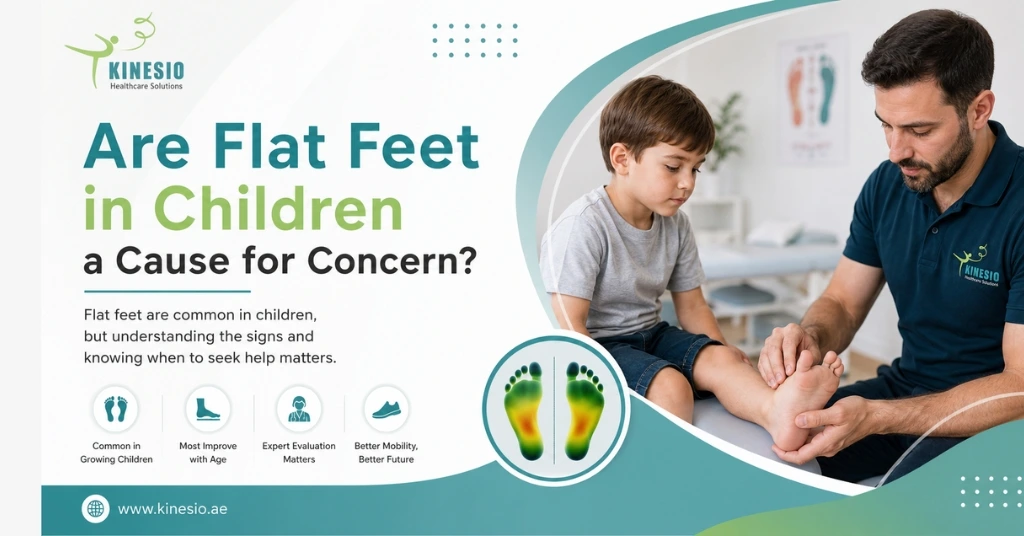
Parents usually don’t have to worry when they notice that younger children have flatter feet that appear without an arch. Most children outgrow the appearance of flat feet as they develop. In some cases, flat feet can cause problems. These can include pain, poor balance, and poor engagement in physical activities. Children with these problems should be evaluated by a medical professional. Pain and difficulty participating in physical activities warrant a medical professional’s evaluation.
Learning about the causes and potential treatment options will help parents understand flat feet in children and make decisions that will allow them to help children develop normally and healthfully.
What is Flat Feet?
Flat feet (sometimes called fallen arches) describes a condition where the arch is absent or low when standing. The arches have probably just not developed if the person in question is a young child. As tissues, muscles, and ligaments strengthen and develop, arches of the feet may become evident.
In the majority of cases present in children, flat feet are flexible in that the arch appears in a seated position, or in standing when in tiptoe stance, but flattens when standing in a normal position. Flexible flat feet are considered to be completely normal.
Are Flat Feet in Children a Problem?
Although they seem concerning, flat feet should actually be considered exceptionally normal when examining infants or small children. This is especially true in babies, as the architecture of the foot and the toes have not developed, and are covered in a soft and fat layer of tissue and skin.
Developing arches becomes common in children aged six to ten. Though some maintain flat feet into adulthood, it’s often not an issue.
Flat feet development can’t be compared individually to other milestones. It’s only one part of a child’s overall development.
Common Causes of Flat Feet
Flat feet can be caused by many different factors pertaining to a child including:
- Genetic predisposition
- Weak muscles
- Loose ligaments
- Obesity
- Flat feet in the family
- Some developmental, neurological, and muscular disorders
- Some connective tissue disorders
A child’s flat foot, most commonly, is due to the family’s foot structure.
Signs That Require Medical Attention
Some children become flat-footed and remain asymptomatic. Some children become flat-footed and remain with flat feet and some degree of discomfort.
Parents should seek help for children that have any of the following:
- Flat feet with pain
- Ankle pain
- Feet that become painful and/or stiff with long walks
- Flat feet that appear to rigid and stiff
These may warrant additional assessments of flat feet.
How Flat Feet impact daily living
Athletic flat feet, especially if painless, isn’t a major issue. Flat feet that are symptomatic may have an affect on:
- Jumping
- Balance
- Walking
- Running
Symptoms may become enlarged from flat feet if assessments aren’t made in a timely manner.
Diagnosis
The assessment will likely begin with a physical exam by the healthcare professional.
An assessment may involve:
- Observation of gait
- Evaluation of foot pliability
- Assessment of leg alignment
- Evaluation of ankle mobility
- Discussion of family history
- Assessment of pain
X-rays and other imaging testing are only warranted if there is suspicion of anodyne pathology or if pain is chronic in nature.

Treatment
Flexible flat feet without the presence of symptoms is a benign condition that typically requires no treatment.
In the presence of symptoms, treatment may include the following:
Modification of Activity
Temporarily reducing the impact and/or intensity of activities may alleviate symptoms.
Stretching and Strengthening Exercises
Stretching and strengthening exercises may improve the pliability and strength of the foot and ankle.
Supportive Shoes
Daily activities may be more comfortable in supportive shoes with a proper fit and added stability.
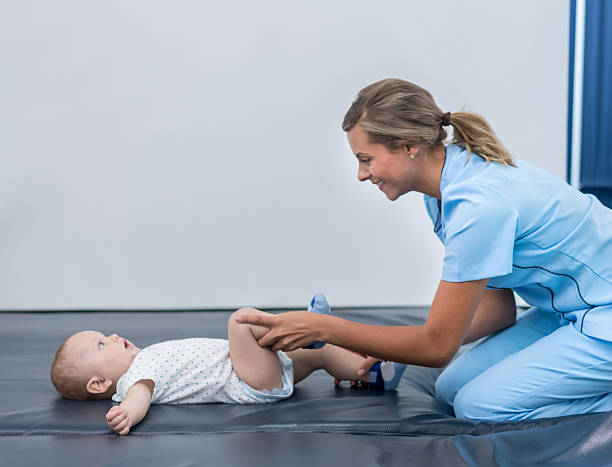
Pediatric Physiotherapy
Pediatric physiotherapy Dubai may involve the prescription of an individualized therapeutic exercise program.
Physiotherapy may be of benefit to flat feet with the presence of pain or limited range of motion.
Role of Orthotics
If supportive shoes do not alleviate symptoms, orthotics for kids may be prescribed by health care practitioners.
Symptomatic orthotics do the following:
- Support feet
- Aid growth
- Improve walking
- Enhance stability
- Alleviate pain
Orthotics provide symptomatic support to children who do not have arches.
Prevention of Flat Feet
Due to the developmental nature of the condition and the hereditary aspects, prevention of flat feet is not possible.
There are various ways for parents to promote healthy foot growth, such as:
- Picking supportive shoes
- Keeping a healthy diet
- Allowing children to partake in play and sports
- Encouraging exercise
- Noticing early signs of pain
- Taking children in for check-ups
All of these lead to healthy growth of the foot and support the skeletal system.
When Should Parents Seek Professional Advice?
Parents should take children into the doctor’s office when:
- There is persistent pain
- Walking is problematic
- Feet are stiff
- There is one stiff foot
- There is pain that limits function
- Symptoms are worsening
The best time to treat is early, and many treatments are available.

Long-Term Outlook
The future of flat feet in children is good. Most children do not suffer from any long-term issues.
For the children who do suffer from issues, support shoes and some exercises and physiotherapy make a big difference.
Very few children fall into the category where more advanced treatment becomes necessary.
Conclusion
Most children will experience flat feet as part of growing and developing. It is not worrisome in most cases. As children’s feet continue to grow, many children’s feet develop arches on their own. When children’s flat feet begin to hurt, make walking difficult, or make the children avoid normal movement, it is concerning and professional help should be sought. Early treatment can add much to comfort and healthy growth in children. Watching symptoms closely allow parents to help make sure their children stay healthy and active.
FAQs
1. Are flat feet common in toddlers?
Yes. Toddlers are often flat-footed because their foot arches are immature. Most children will show improvement in this as they grow.
2. When should I be concerned about flat feet?
If your child has any pain or issues with walking, their feet should be evaluated, especially if they are flat and show swelling or a rigid structure.
3. Do flat feet need to be treated?
In most children, flat feet do not require treatment as they typically develop arches on their own throughout childhood.
4. Should all children with flat feet use orthotics?
No. Children with flat feet only need to use orthotics if they have pain or issues with walking or standing.
5. Is physiotherapy a treatment option for children with flat feet?
Yes, physiotherapy can be beneficial for children with flat feet if there is pain and if the flat feet are limiting child’s participation in play activities or walking.