Children commonly experience flat feet, which, in most cases, is very normal. Parents notice that their kid’s foot is flat or there’s no obvious arch. While this is concerning, young children typically do not have a medical issue here.
Having flat feet in children is normal, but in some cases may need attention. This guide offers a simple and descriptive approach to flat feet.
What Are Flat Feet in Children?
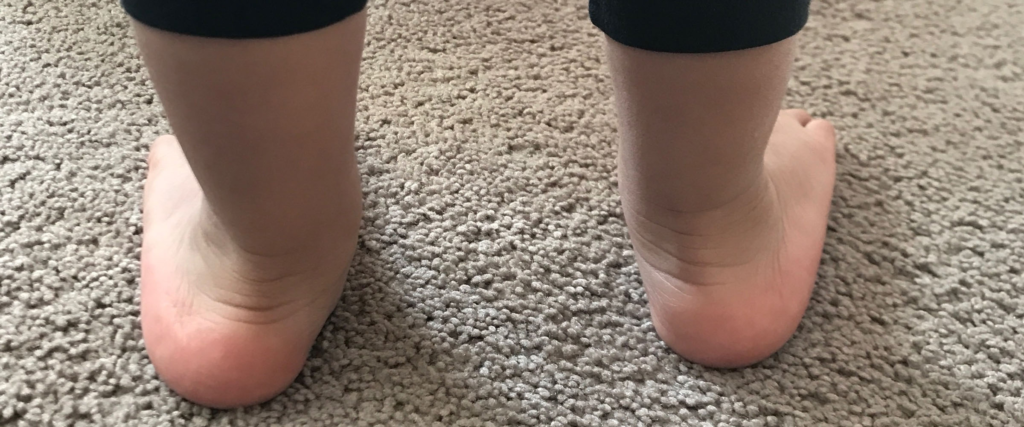
Children with flat feet have no arch developmental milestones or have an absence. This means the entire foot bottom is in contact with the ground when standing.
It is normal for infants and toddlers to have flat feet in children because their arches are still developing. When children grow, their foot arches develop as well.
Why Flat Feet Are Common in Early Childhood
It is common for children to have all of the flat feet in children. These symptoms include:
- Loose ligaments in early childhood
- Underdeveloped foot muscles
- Fat padding in the soles
- Ongoing bone and arch formation
Most children under 5 have healthy, flat feet.
Children’s Flat Feet Types
1. Present Flexible Flat Feet
An arch should be visible, yet flexible flat footedness shows no arch standing flat, yielding to tip toeing. Generally with no arch presents, most flexible flat footedness is clinically irrelevant.
2. Present Rigid Flat Feet
Arch absence is ubiquitous; perhaps your flat footedness is more severe, presenting as rigid flat feet. This type is rarer and there’s more potential pathology meriting clinician involvement.
3. Presumed Flat Feet Etiology
In general, flat-footedness is best correlated with the child’s normal physiology. Most potential flat-footedness etiologies correlate to normal physiology and the child’s normal development, but several hypotheses, beyond an absence of pathology, can be offered.
Signs and Symptoms From a Flat Foot Child
Most flat feet in children, generally more than not, are symptomatically irrelevant to the above pathologies, but occasionally, more pathological footedness presents more arch absences and other possible symptoms, such as:
- Running and sports lethargy or activity
- Shoe wear paradoxically occurs more on one side than the other
- An extremely flat standing foot
Regarding arch absence symptomology, if flatness is irrelevant, children should be of no concern.
When is Medical Attention Needed?
Although flat feet are not a condition that might be concerning, there are particular things that are concerning and warrant further medical attention. These include:
- pain in the feet or legs that doesn’t go away
- The feet are stiff and rigid and there’s no arch flexibility
- having a limp or having trouble walking
- Things are symptoms that deteriorate with time
- having less physical activity and, in turn, less because of discomfort
In these situations, you should see a pediatrician or an orthopedic doctor as soon as you can!
Diagnosis of Children With Flat Fees
A doctor can easily diagnose children who have flat feet. It usually involves an evaluation of :
- The child is sitting or standing
- Alignment of the feet and how they move
- Are there arches when the child stands on their toes
Occasionally, a doctor might have to take an X-ray.
Are Flat Feet a Concern?
A flatfoot condition does not necessarily warrant a treatment plan. Flat feet will, for the most part, take care of themselves. A child’s flexibility has a role to play. The condition will even resolve further as a child grows.
A treatment plan is available if a child has flat feet accompanied by pain or an inability to function.
Possible Treatments for Flat Feet
Shoes with arch support.
Some shoes are well-designed to not only support the arch but also have high-quality built-in cushioning as well. This can be immensely beneficial to an individual with flat feet.
Insoles
There is an option for you to buy arch-supporting insoles, and you have the freedom of choice to pick between the already-designed insoles, or you can go for the custom insoles.
Exercises
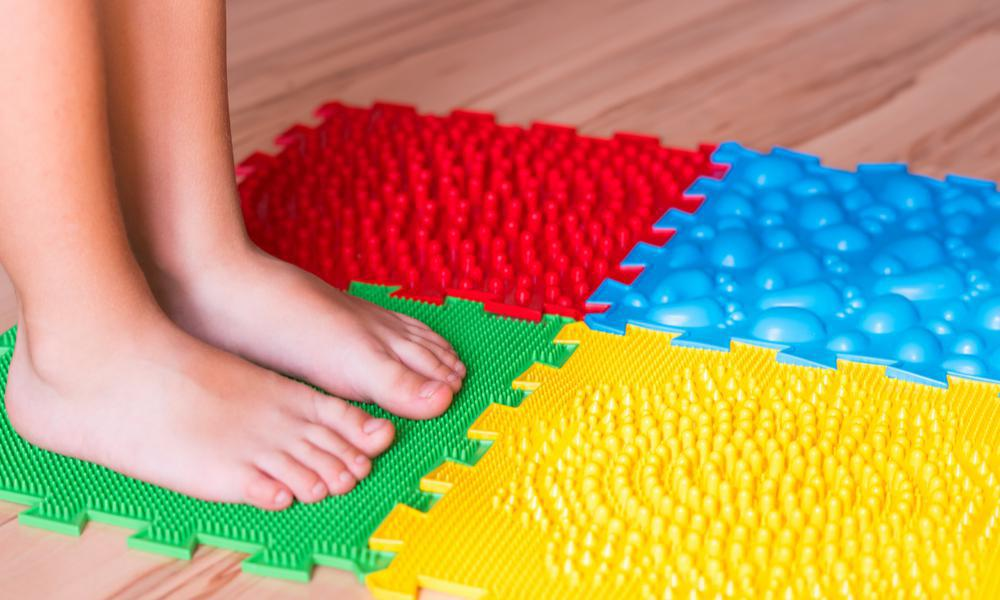
Many exercises can be done to improve not only the range of movement but also the flexibility of the legs and feet as well.
Physical therapy
More specifically, target walking and overall body posture. This can be an option for you.
Exercises for Flat Feet
Parents may assist children in doing fun and basic activities, such as:
- Walking on tiptoes.
- Picking up little objects with feet.
- Putting a ball under the feet and moving it.
- Doing heel raises while standing.
These activities aid in the development of arches and muscle structure.
Can Flat Feet Change the Way Your Child Lives?
Flat feet, as a rule, do not stop children from walking, running, and playing. Hundreds of children with flat feet do not have any limitations when doing sports and activities.
Only when the child experiences pain or stiffness will their activities be restricted.
Long-Term Outlook
The general forecast is positive. Almost all children with flat feet will get a good arch as they get older. However, it is true that many of those who even have flat feet when they are adults lead really healthy and fully active lives without any problems.
The only flat feet that have issues are those that are painful or are not flexible.
Prevention and Care Tips for Parents
The first step to flat feet in children is not walking. However, to help, parents should:
- Encourage children to walk barefoot on level and safe ground.
- Get good shoes that fit.
- Get children active.
- Don’t use stiff shoes too much in the first years.
These things help the child’s feet form naturally.
Final Thoughts
For the most part, children’s flat feet are not a medical issue and are part of the natural development of children. In most cases they don’t even need any medical attention from
orthotics for kids, and the problem will go away on its own.
Parents must remain vigilant. Should a child have pains, stiffness, or trouble walking, then it is important to get them evaluated by a medical professional and pediatric physiotherapy Dubai, like Kinesio.ae.
Generally speaking, provided concern and a proper approach, flat feet will not prevent a child from being active and healthy.
FAQs
1. Is it normal to have flat feet as a child?
Infants and young children often have flat feet. Most of the time, the arches develop as a child grows and strengthens their bones and muscles.
2. At what age do children develop arches in their feet?
Arches are typically developed between the ages of three and six years.
3. Do children with flat feet experience pain?
Flat feet are mostly pain-free. However, children may experience some pain or discomfort following physical exertion. This is especially the case if the child’s muscles are weak or if they have overused muscles.
4. Is there a permanent solution for flat feet?
Almost always, treatment is not necessary, and flat feet will often improve without any intervention. Medical intervention may be required, but it is often not necessary, and treatment may not be directed towards permanent correction.
5. When is treatment necessary for flat feet?
For a child to be evaluated and possibly treated, pain, stiffness, limping, or walking difficulties should be of concern, especially if they are persistent.