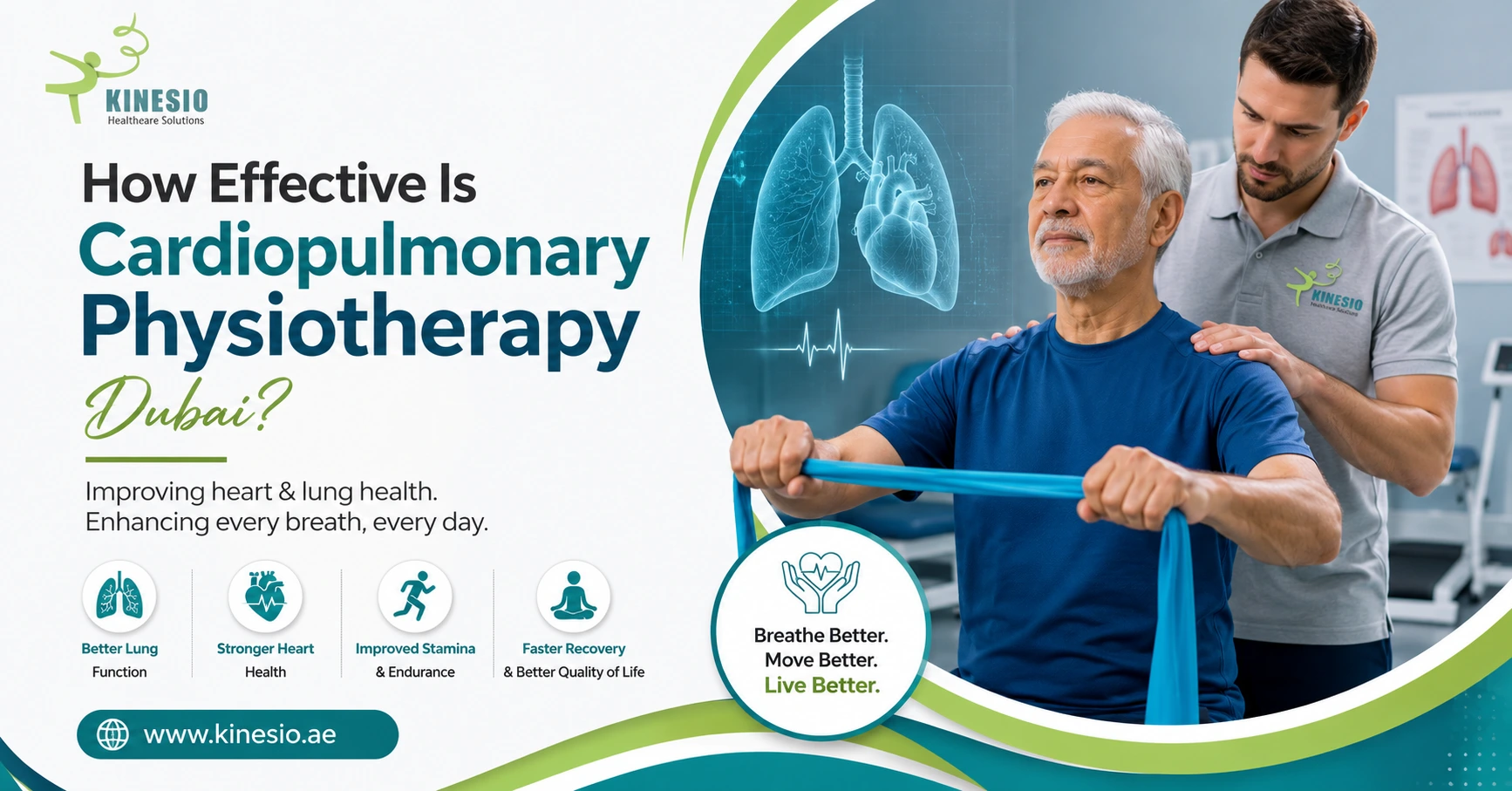
Heart and lung diseases affect quality of life and make activities like moving about, climbing stairs, or even breathing challenging. Luckily, there are ways to alleviate these problems. One such treatment, cardiopulmonary physiotherapy Dubai, is a powerful approach to the treatment of cardiovascular and respiratory diseases. It focuses on rehabilitation and the enhancement of endurance, strength, and self-efficacy.
Cardiopulmonary physiotherapy is useful and easily accessible when one has undergone heart surgery, has chronic lung disease, or simply needs to increase cardiovascular fitness.
What Is Cardiopulmonary Physiotherapy?
Cardiopulmonary physiotherapy is one of the physiotherapy specializations. It emphasizes rehabilitating the heart, lungs, and vascular systems.
Options for treatment are designed to progress capacity to perform, ease the burden of breathing, and assist in the return to normal daily activities.
Physicians perform a detailed assessment of a patient’s past and present condition and clinical information to construct an appropriate objective, and from it, a treatment plan.
Who Can Benefit from Treatment?
Cardiopulmonary physiotherapy Dubai can be beneficial for many patients. Most notably, patients after heart surgery or those with chronic lung diseases.
Here are some of the conditions for which treatment is available:
- Recovery from a heart attack
- Coronary artery disease
- Heart failure
- Chronic obstructive pulmonary disease (COPD)
- Asthma
- Pulmonary fibrosis
- Recovery from pneumonia
- Chest conditions after surgery
Your functional capability and health state are key determiners of your treatment plan.
How Is Cardiopulmonary Physiotherapy Done?
This method of treatment utilizes monitored exercise, education, and breathing exercises in order to strengthen the heart and lungs.
A program designed by a therapist may include any of the following:
- Aerobic exercises
- Breathing exercises
- Walking programs
- Flexibility exercises
- Strength training
- Endurance training
- Postural corrections
- Guided exercises for healthy habits
All of the above increase the efficiency of the lungs and the level of fitness of the individual.
Improving Heart Health
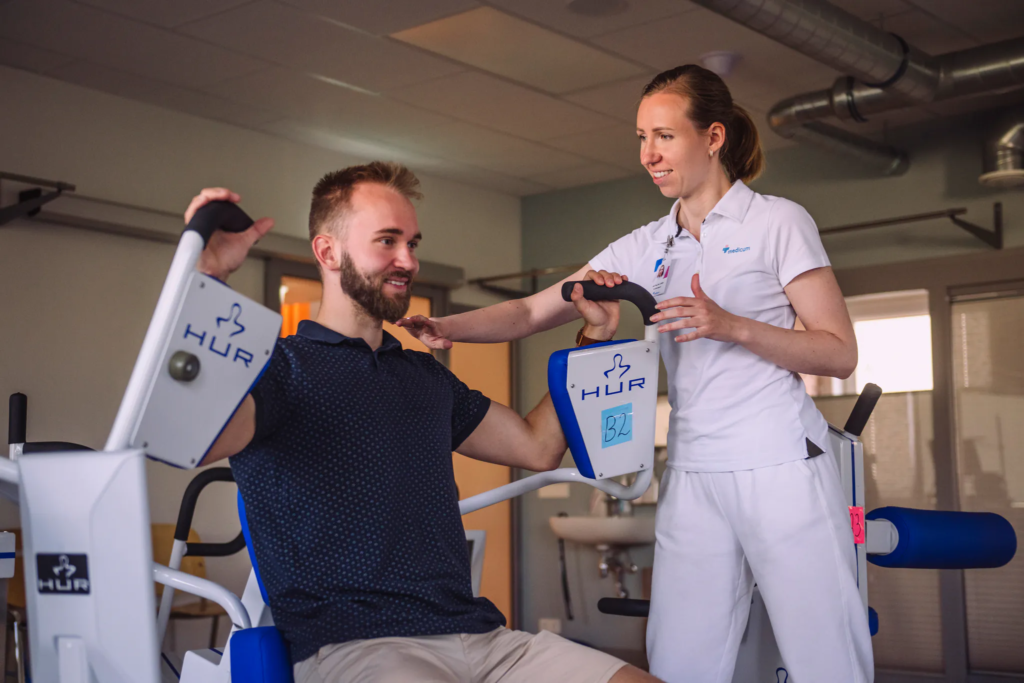
Safely strengthening the heart is one of the goals of cardiopulmonary physiotherapy Dubai.
The benefits of regularly exercised, monitored sessions include:
- Improved efficiency of the heart
- Improved circulation
- Improved delivery of oxygen
- Less fatigue
- Improved exercise tolerance
- Improved overall cardiovascular health
Patients build endurance gradually to diminish the chances of working beyond their personal limitations.
Supporting Lung Function
Therapy is also needed to ensure good health of the lungs, which are responsible for the delivery of oxygen to all other organs.
Breathing is improved by therapy through the following:
- Clearing secretions in the airways
- Improving breathing patterns
- Strengthening the muscles of respiration
- Reducing the feeling of breathlessness
- Improving the efficiency of oxygen
These improvements all make daily tasks easier.
Recovery After Cardiac Procedures
After many surgeries on the heart, patients require a period of rehabilitation.
Post cardiac physiotherapy Dubai focuses on helping patients strengthen their bodies to restore normal cardiovascular function through controlled, progressional exercises and monitored sessions.
Early rehabilitation in this field of physiotherapy helps patients recover emotionally by encouraging them to have the confidence to engage in exercise.
Benefits of Structured Rehabilitation Programs
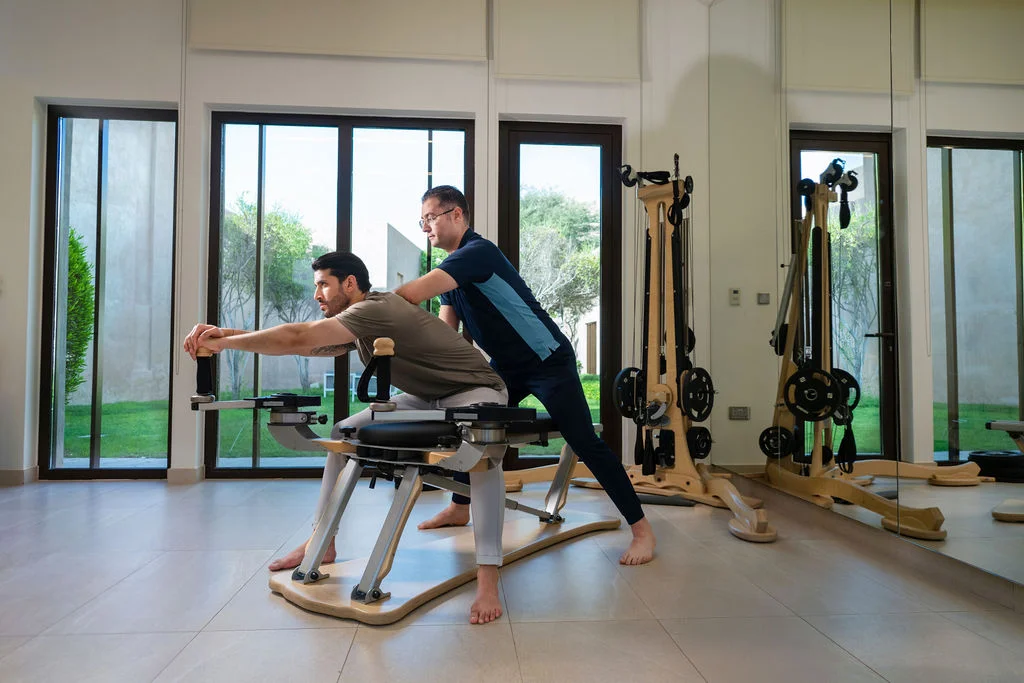
Supervised cardiopulmonary rehab programs Dubai take extra precautions to ensure patients are safe and receive care specific to their medical conditions.
These programs contain the following components:
- Physical examinations
- Supervised Exercise
- Health Education
- Lifestyle Change Counseling
- Monitoring Progress
- Planning Future Rehabilitation
Structured rehabilitation programs focus on continuous progress and the safety of the participants.
Improving Daily Life
Patients have expressed large amounts of satisfaction after participating in rehabilitation programs, like cardiopulmonary physiotherapy in Dubai. Examples of common improvements are:
- Patients can walk longer.
- Patients have more stamina and less shortness of breath.
- Patients have better balance, more strength, and more energy.
- Patients have more independence and improved self-esteem.
These results help patients engage in work and leisure activities.
The Importance of Personalized Treatment
It is common knowledge that no two people have the same medical histories or the same requirements when it comes to rehabilitation.
Physiotherapists review and assess the following:
- The level of a patient’s physical ability.
- The patient’s heart and lung fitness.
- The patient’s muscles and lungs.
- The patient’s mobility.
- The patient’s personal objectives.
Results of these assessments help define the treatment program and optimize the outcome in a timely manner.
The Role of Breathing Exercises
Breathing exercises have a large role in heart and lung physiotherapy in Dubai. Breathing exercises enable patients to:
- Breathe better and strengthen their breathing muscles.
- Breathing techniques help patients recover faster and better engage in physical activities.
Lifestyle Education Matters
Successful rehabilitation goes beyond the physical components and sessions.
Physiotherapists’ instruction regarding…
- Healthy eating
- Safe activities
- Stress
- Smoking
- Weight
- Heart health
improves fitness, not just in the short term.
Safety of Cardiopulmonary Physiotherapy
Cardiopulmonary Physiotherapy in Dubai is safe for most people. As long as it is done in conjunction with healthcare professionals, state licensed and practicing.
Because the state of each patient’s health requires separate treatment and will continue to require that they are safe and effective, regular check ins are required.
Keep these in mind for Outcomes Improvement
Doing the following will help you see improvement and you’ll have to maintain these habits for long term goals.
- Attend every session
- Complete prescribed exercises
- Exercise
- Eat well
- Take prescribed medication
- Communicate with the Healthcare team
- Be consistent
It is especially important to be consistent.
Conclusion
Cardiopulmonary Physiotherapy in Dubai is a very beneficial treatment for people with lung and heart issues. There are many different systems of personalized supervision or teaching and exercise.
Cardiopulmonary physiotherapy can be used to help those with chronic lung conditions, low endurance or strength after an illness or surgery to help them feel more self assured and independent.
FAQS
1. What sorts of conditions are treated with cardiopulmonary physiotherapy?
Cardiopulmonary physiotherapy is relevant to a number of conditions including heart diseases and surgeries, chronic lung diseases, respiratory infections, and different lung and heart diseases.
2. How long is the cardiopulmonary rehabilitation program?
The length of the program is dependent on many factors including the patient’s specific condition, recovery objective, and health status.
3. Are the programs designed for older adults?
Yes. Older adults are able to access rehabilitation programs in order to improve their endurance, breathing, and mobility in a safe and controlled manner.
4. Can physiotherapy do anything for my breathing?
Physiotherapy offers assistance in a number of ways. Breathing exercises are great for lung function, decrease shortness of breath, and help with carrying oxygen.
5. Is a referral necessary for cardiopulmonary physiotherapy?
It really depends on your medical condition and the healthcare provider’s policies. The best option is to check with your physician or a registered physiotherapist before commencing any physiotherapy.