Flat feet are a common condition seen in young children, especially during the early stages of growth and development. In many cases, the arch of the foot has not fully developed, causing the entire sole to touch the ground while standing or walking. Although this condition is often painless, some children may experience discomfort, poor posture, balance issues, or difficulty during physical activities.
Parents frequently become concerned when they notice flat feet in children because the condition can affect walking patterns, physical activity, and overall mobility. Understanding the causes, treatment options, and correction exercises can help parents support healthy foot development and prevent long-term complications.
What Are Flat Feet?
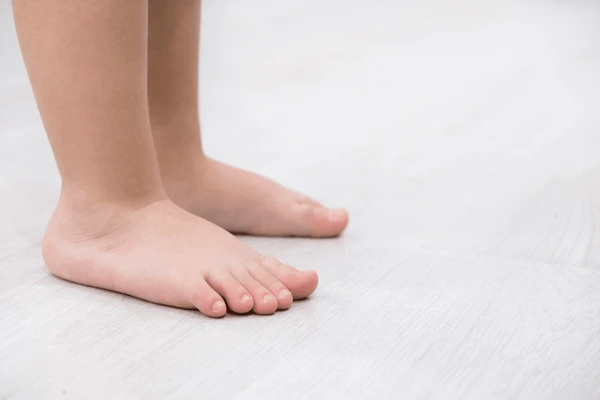
Flat feet occur when the arches of the feet are low or absent, causing the feet to appear flat while standing. The condition may affect one foot or both feet and can vary in severity.
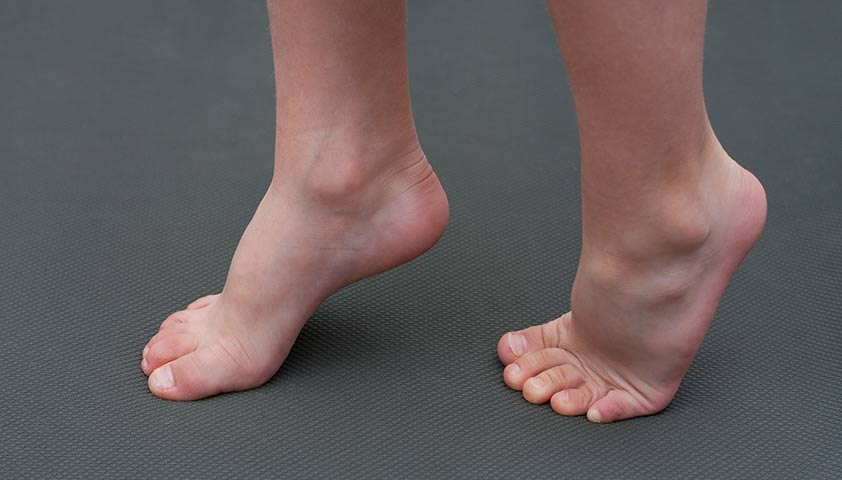
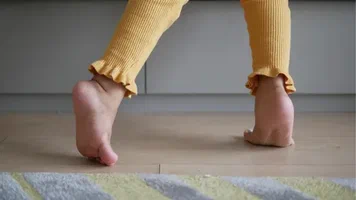
In most cases, flat feet in children are flexible, meaning the arch becomes visible when the child sits or stands on tiptoes. Flexible flat feet are usually harmless and often improve naturally as children grow older.
However, some children may develop rigid flat feet, where the arch remains absent even when the foot is not bearing weight. This type may require medical evaluation and specialized treatment.
Common Causes of Flat Feet
Several factors can contribute to the development of flat feet in children. Genetics is one of the most common causes, as the condition often runs in families. Children born with naturally flexible joints or loose ligaments may also develop flat feet.
Other causes include:
- Weak foot muscles
- Poor footwear support
- Obesity or excess body weight
- Neurological conditions
- Developmental delays
- Injuries affecting foot structure
In many young children, flat feet are considered a normal part of growth because foot arches develop gradually over time.
Signs and Symptoms
Many children with flat feet do not experience pain or mobility issues. However, some may develop symptoms that affect daily activities and physical movement.
Common symptoms of flat feet in children include:
- Foot pain or tiredness after walking
- Difficulty running or jumping
- Poor balance and coordination
- Uneven shoe wear
- Frequent tripping or falling
- Pain in ankles, knees, or lower back
Children involved in sports or physical activities may notice discomfort more frequently due to increased stress on the feet and joints.
Importance of Early Assessment
Early assessment is important when children experience pain, walking difficulties, or posture problems related to flat feet. A physiotherapist or pediatric specialist can evaluate the child’s foot structure, walking pattern, and muscle strength.
Specialists often monitor developmental milestones to ensure the condition is not affecting balance, coordination, or physical growth. Early identification allows healthcare professionals to recommend appropriate exercises and supportive treatments before complications worsen.
Professional evaluation is especially important if the child experiences persistent pain or significant mobility challenges.
Role of Physiotherapy in Treatment
Physiotherapy plays a major role in improving foot strength, posture, and walking mechanics in children with flat feet. Treatment plans are designed to strengthen muscles, improve flexibility, and support healthy movement patterns.
Many parents seek pediatric physiotherapy Dubai services for specialized rehabilitation programs tailored to children’s physical development needs. Physiotherapists assess movement patterns and recommend targeted exercises that improve foot stability and balance.
Therapy sessions may also include posture correction, gait training, stretching routines, and strengthening activities that support overall lower body alignment.
Correction Exercises for Flat Feet
Exercise is one of the most effective ways to manage flat feet and improve foot strength naturally. Physiotherapists often recommend simple correction exercises that children can perform regularly at home.
Toe Raises
Toe raises help strengthen the muscles supporting the foot arch. Children can practice standing on their toes for a few seconds before slowly lowering their heels.
Towel Scrunch Exercise
In this exercise, children use their toes to pull a towel toward themselves while seated. This movement strengthens foot muscles and improves arch support.
Heel Walking
Walking on the heels for short distances helps strengthen ankle and lower leg muscles while improving balance and coordination.
Arch Lifting Exercise
Children practice lifting the arch of the foot without curling their toes. This exercise helps activate and strengthen arch-supporting muscles.
Balance Exercises
Standing on one foot or using balance boards can improve stability and strengthen foot muscles naturally.
Performing these exercises consistently can significantly improve muscle strength and mobility over time.
Importance of Proper Footwear
Supportive footwear plays an important role in managing flat feet in children. Shoes with good arch support, cushioning, and stability help reduce stress on the feet and improve posture.
Parents should avoid excessively flat or unsupportive shoes because they may worsen discomfort and poor walking mechanics. Proper footwear helps maintain foot alignment while supporting natural movement during daily activities.
Comfortable shoes are especially important for children involved in sports or active play.
Use of Orthotic Support
Some children may benefit from customized shoe inserts or supportive insoles. These devices help improve foot alignment, reduce discomfort, and support proper walking patterns.
Specialists may recommend orthotics for kids who experience pain, poor posture, or severe flattening of the arches. Orthotic devices are designed according to the child’s foot structure and specific movement needs.
While orthotics do not permanently change foot shape, they often improve comfort and physical function significantly.
Can Flat Feet Be Prevented?
Not all cases of flat feet can be prevented, especially when genetics are involved. However, maintaining healthy body weight, encouraging physical activity, and wearing supportive footwear can reduce the risk of developing severe symptoms.
Parents should also encourage children to perform strengthening exercises and avoid prolonged inactivity. Early attention to posture and walking habits supports healthy musculoskeletal development.
Regular physical activity improves muscle strength and flexibility, which can positively influence foot health.
When to Seek Professional Help
Parents should seek professional evaluation if the child experiences:
- Persistent foot or ankle pain
- Difficulty walking or running
- Frequent falls or poor coordination
- Uneven posture
- Severe stiffness or rigid feet
Early treatment helps improve mobility and prevents future complications affecting the knees, hips, or lower back.
Healthcare professionals can provide personalized treatment plans that support healthy growth and physical development.
Conclusion
Flat feet are a common condition during childhood and often improve naturally as children grow. However, some children may experience discomfort, balance issues, or movement difficulties that require professional attention.
Understanding the causes and treatment options for flat feet in children allows parents to take proactive steps toward improving foot health and overall mobility. Through physiotherapy, supportive footwear, correction exercises, and proper guidance, children can develop stronger feet and healthier movement patterns for long-term physical well-being.
FAQs
1. Are flat feet common in children?
Yes, flat feet are very common in young children and often improve naturally with age.
2. Can flat feet cause pain in children?
Some children may experience foot pain, tiredness, or discomfort during physical activities.
3. Do flat feet require treatment?
Treatment depends on symptoms. Many children do not require treatment unless they experience pain or mobility problems.
4. Can exercises improve flat feet?
Yes, strengthening and balance exercises can improve foot strength and arch support.
5. When should parents consult a specialist?
Parents should seek professional advice if the child experiences persistent pain, walking difficulties, or balance issues.